

Kharg Island hit by US Strikes as Iran War escalates: What it means for oil, Hormuz and Global markets

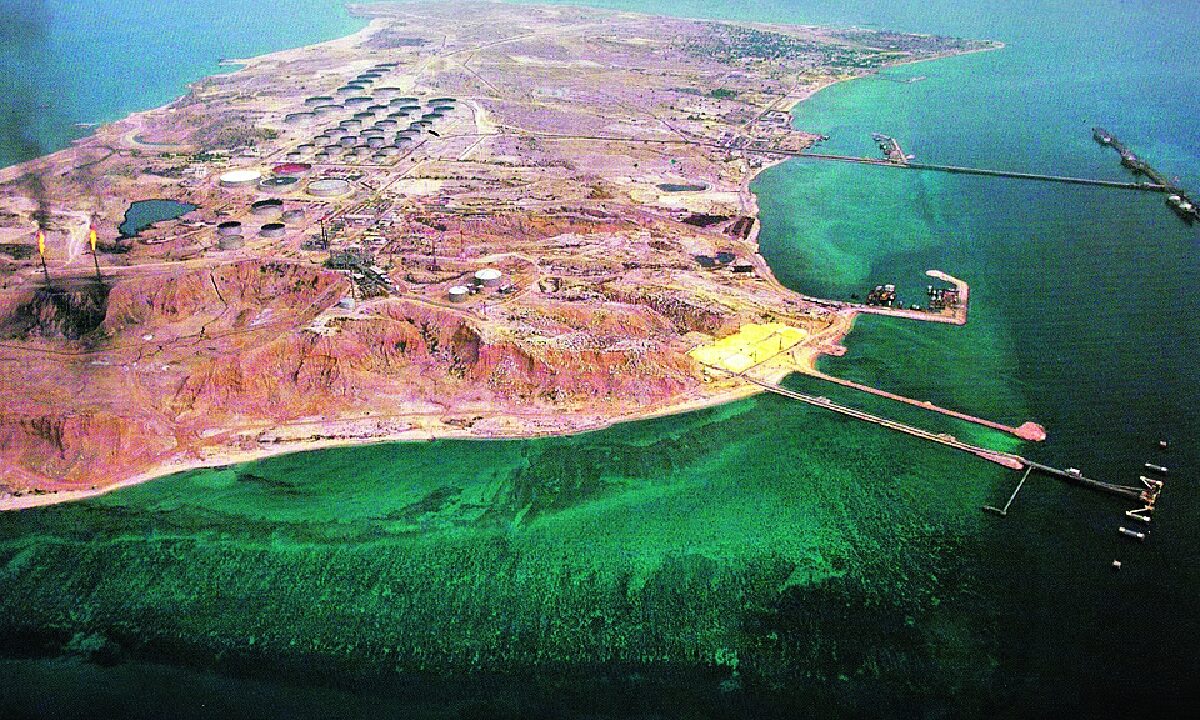
Kharg Island emerges as a critical US-Iran flashpoint
Fresh U.S. strikes on Iran’s Kharg Island have sharply escalated tensions in the already volatile Middle East war, putting one of Tehran’s most strategically sensitive locations back at the center of global attention. Reuters reported on April 7 that the United States hit military targets on Kharg Island, citing a U.S. official, marking a major development in the conflict and intensifying fears about what could come next.
Why the world is watching so closely is simple: Kharg Island is not just another military target. It is widely regarded as Iran’s most important oil export hub and a central node in the country’s energy infrastructure. Previous reporting described Kharg as Iran’s “critical oil depot” and one of the most strategically important flashpoints in the wider Iran war, especially as the crisis around the Strait of Hormuz deepens.
Although accessible reporting available now indicates the latest U.S. operation targeted military assets rather than oil facilities directly, the symbolism and strategic implications are enormous. Any strike on Kharg Island raises immediate questions about oil exports, global fuel prices, regional retaliation, and whether the war is moving toward a far more dangerous phase. Reuters’ accessible report did not specify the exact targets or rationale beyond confirming the strike, but the location alone makes this one of the most consequential developments in the conflict so far.
Why Kharg Island Matters So Much in the Iran War
To understand the significance of the strike, it helps to understand what Kharg Island represents.
Kharg Island sits in the Persian Gulf and has long been one of Iran’s most valuable strategic assets because it functions as a major oil export terminal. Earlier accessible reporting from Axios described it as Iran’s critical oil depot and a pivotal pressure point in the conflict, with U.S. officials previously considering actions around the island precisely because of its role in Tehran’s oil revenue and leverage over regional energy flows.
That matters because Iran’s ability to export oil, and the global market’s belief that those exports can continue, directly influences Brent crude, shipping risk, insurance premiums, and the broader economic fallout from the war.
In short: Kharg Island is not just a battlefield location. It is an energy nerve center.
What the US Strike on Kharg Island Appears to Mean
Based on currently accessible reporting, the latest strike appears to signal a calibrated but high-stakes escalation.
Reuters confirmed the U.S. hit military targets on Kharg Island. That wording is important. It suggests Washington is trying to increase pressure on Tehran without yet openly crossing the line into a direct attack on core oil export infrastructure, a move that could trigger a far larger global economic shock and possibly provoke even broader retaliation.
This fits a pattern already visible in earlier coverage: U.S. pressure around Kharg has repeatedly been discussed not only as a military issue, but as coercive leverage tied to the Strait of Hormuz and the wider oil crisis. Axios had earlier reported that Kharg was central to strategic thinking because of its outsized role in Iranian oil flows and the risks tied to any attempt to seize or cripple it.
So the likely message behind the strike is this: Washington is signaling that Iran’s most sensitive economic and strategic nodes are within reach, even if it has not yet fully targeted the oil lifeline itself.
What It Means for Oil Prices and the Global Economy
This is where the story becomes much bigger than Iran.
Even if the latest operation avoided direct strikes on oil export facilities, markets don’t only react to damage, they react to risk. Kharg Island’s importance means any military action there can quickly increase fears about:
- Disruption to Iranian oil exports
- Shipping insecurity in the Gulf
- Further threats to the Strait of Hormuz
- Higher war-risk premiums for tankers
- Spikes in crude oil and fuel prices worldwide
Earlier reporting already showed that the broader Iran war and Strait of Hormuz tensions were pushing oil markets upward, with analysts warning that the duration and direction of the conflict would shape global energy prices. Axios has separately highlighted the massive economic impact of the ongoing energy crisis tied to the conflict.
For consumers, that could eventually translate into:
- Higher petrol prices
- Rising transport and logistics costs
- Increased inflation pressure
- More volatility in global stock markets
That is why a strike on Kharg Island instantly becomes a global economic story, not just a military headline.
READ ALSO
Kharg Island on edge: Iran warns of retaliation as US weighs seizing key Oil export hub
What It Means for the Strait of Hormuz
The Strait of Hormuz remains one of the most critical energy choke points in the world, and Kharg Island sits at the heart of the wider strategic contest surrounding it.
Earlier reporting tied Kharg directly to U.S. pressure over Hormuz shipping and the broader war’s direction. The logic is straightforward: if Kharg is threatened, Iran’s oil export system becomes more vulnerable; if Hormuz remains unstable, the entire Gulf energy architecture becomes harder to protect.
So, in practical terms, the strike could mean:
- More pressure on Tehran over maritime access
- Higher chances of Iranian retaliation against regional shipping or allied infrastructure
- Greater naval risk in the Gulf
- A wider escalation if commercial traffic is disrupted again
This is exactly why Kharg is such a dangerous flashpoint:
it sits at the intersection of military strategy, energy exports, and global shipping security.
Could the War Escalate Further After the Kharg Island Strike?
Yes, and that is the central concern.
A strike on a site as strategically sensitive as Kharg increases the risk of:
- Retaliatory attacks
- Expanded U.S. or allied operations
- Strikes on infrastructure beyond military targets
- Further destabilisation of regional oil and gas networks
Axios reporting in recent weeks has already documented how the conflict has been widening, including strikes on civilian infrastructure and concerns that the war could broaden into attacks on energy, water and transport systems.
That means the latest Kharg development may be interpreted by analysts as either:
- A pressure tactic designed to force concessions, or
- A prelude to a much broader campaign against Iranian strategic infrastructure
At this stage, the most accurate framing is that the strike raises the ceiling of risk, even if it does not automatically guarantee a full-blown oil infrastructure war.
Why the Kharg Island Strike Matters Right Now
The latest U.S. strike on Kharg Island matters because it hits at the symbolic and strategic core of Iran’s power without, at least based on accessible confirmed reporting, fully destroying the oil system that makes the island so critical. Reuters confirmed the attack on military targets, while earlier reporting had already established Kharg as a central lever in the war and a key source of global energy anxiety.
That makes this moment especially dangerous. If Kharg remains only a military pressure point, markets may stay volatile but manageable.
If Kharg’s oil infrastructure becomes the next direct target, the consequences could be immediate and global.
For now, one thing is clear: Kharg Island has become one of the most important places to watch in the Middle East conflict, and what happens next could shape oil prices, regional security, and the future of the war.
FAQ
FAQ: US Strikes on Kharg Island and What It Means
1. What is Kharg Island and why is it important?
Kharg Island is a strategically important Iranian island in the Persian Gulf and a major hub for the country’s oil export system. It has been described in earlier reporting as a critical oil depot and one of the most sensitive energy-related flashpoints in the Iran conflict.
2. Did the US strike Kharg Island?
Yes. Reuters reported on April 7, 2026, that the U.S. struck military targets on Iran’s Kharg Island, citing a U.S. official. Reuters said the exact targets and rationale were not fully disclosed in the accessible report.
3. Did the US hit Iran’s oil infrastructure on Kharg Island?
Based on the currently accessible Reuters report, the confirmed wording is that the U.S. struck military targets on Kharg Island. That does not confirm a direct strike on the island’s oil export facilities. At the moment, the strongest accessible confirmation supports a military-target framing rather than a verified oil-facility strike.
4. Why does a strike on Kharg Island matter so much?
Because Kharg Island is closely tied to Iran’s oil exports, and any military action there raises fears about:
- oil supply disruption,
- higher tanker risk,
- pressure on the Strait of Hormuz,
- rising global energy prices,
- and a broader regional war.
5. What does the Kharg Island strike mean for oil prices?
Even if oil facilities were not directly hit, the strike increases market risk. Traders may price in the possibility of future disruption to Iranian exports or Gulf shipping. That can support higher crude prices, higher shipping insurance costs, and eventually more expensive fuel globally. Earlier reporting has already linked the broader Iran war to energy market volatility.
6. Will petrol prices go up after the Kharg Island strike?
Potentially, yes — especially if the situation worsens. Petrol prices do not always rise instantly, but if crude oil stays elevated or shipping risks increase, retail fuel prices can eventually move higher in many countries.
7. How is Kharg Island linked to the Strait of Hormuz?
Kharg Island is part of the wider Gulf energy system, while the Strait of Hormuz is the world’s most important oil shipping chokepoint. If Kharg is threatened and Hormuz remains unstable, the global oil market faces double pressure: export vulnerability and shipping disruption.
8. Could the Kharg Island strike trigger a wider war?
It could increase the risk. A strike on such a strategically sensitive site can provoke retaliation, further U.S. or allied operations, and potentially attacks on broader infrastructure or shipping routes. It does not guarantee full escalation, but it clearly raises the stakes.
9. Why is Kharg Island trending right now?
Kharg Island is trending because it has been reported as the site of a U.S. strike on Iranian military targets, and because the island is widely seen as one of the most important locations in Iran’s oil export network.
10. Is this the start of attacks on Iran’s oil facilities?
There is no confirmed accessible evidence right now that the U.S. has directly struck Kharg’s oil export facilities in this latest reported operation. However, because Kharg is so closely tied to oil exports, analysts and markets are treating the strike as a major warning sign.
11. What should investors and businesses watch next?
Key signals to monitor:
- Any confirmation of damage to oil infrastructure
- Changes in Brent crude prices
- Shipping disruptions in the Strait of Hormuz
- Iranian retaliation against regional infrastructure
- New U.S. statements on whether strikes remain limited to military targets
12. What is the biggest takeaway from the Kharg Island strike?
The biggest takeaway is that the war has moved even closer to Iran’s energy nerve center. Even without confirmed direct oil-facility damage, the strike sends a powerful signal that one of the world’s most sensitive energy flashpoints is now under active military pressure.