

US Green Card: Which 5 Family Members Can Qualify for Permanent Residence?

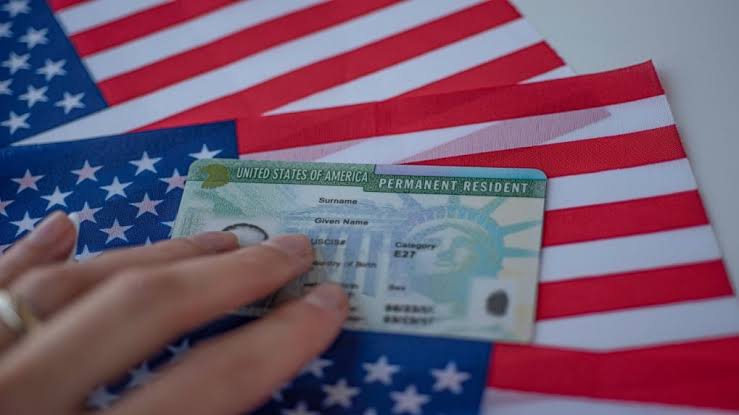
Getting a US Green Card through a family connection is one of the immigration routes available to foreigners seeking permanent residence in the United States.
The US Citizenship and Immigration Services (USCIS) has outlined several family-based pathways, covering immediate relatives of American citizens as well as other relatives and people in specific family circumstances.
The rules are not the same for every applicant. Some categories are limited to US citizens, while lawful permanent residents, commonly known as Green Card holders, can also sponsor certain relatives.
USCIS also separates family-based immigration into immediate-relative and preference categories, with some preference categories subject to annual numerical limits.
Here are five family-related routes highlighted by US immigration authorities.
1. Immediate relatives of US citizens
The first category covers immediate relatives of American citizens.
This includes the spouse of a US citizen, an unmarried child under 21 and a parent of a US citizen who is at least 21 years old.
These relationships are treated differently from the family preference categories because immigrant visas for immediate relatives of US citizens are not subject to the same annual numerical limits.
For a Nigerian with a spouse, parent or young unmarried child who is a US citizen, this can therefore provide an important route to permanent residence.
However, having a qualifying relationship does not automatically mean the relative receives a Green Card. The petitioner must meet the requirements and generally file the appropriate family petition.
USCIS says eligible US citizens, nationals and lawful permanent residents can petition for certain relatives through Form I-130, Petition for Alien Relative.
2. Other relatives of US citizens and Green Card holders
The second category covers relatives who do not qualify as immediate relatives but may still be eligible under the family-sponsored preference system.
For US citizens, this includes unmarried sons and daughters aged 21 or older, married sons and daughters, and brothers and sisters of US citizens who are at least 21.
Green Card holders have a narrower sponsorship option. They can petition for their spouses, unmarried children under 21 and unmarried sons or daughters aged 21 or older.
Unlike immediate relatives of US citizens, these preference categories are subject to annual limits.
This means an approved petition does not necessarily result in an immediately available immigrant visa. Applicants may have to wait for their priority date and visa category to become current.
The US government publishes Visa Bulletins showing the movement of these family preference categories.
3. Fiancés of US citizens
The third route concerns the fiancé or fiancée of a US citizen.
A foreign fiancé of a US citizen may enter the United States using a K-1 fiancé(e) visa. The route is designed for couples who intend to marry in the US.
The process is different from simply receiving a Green Card because of marriage.
After entering the country on the K-1 visa, the foreign fiancé must marry the US citizen within the required period and can then pursue permanent residence through the appropriate adjustment-of-status process.
Children of qualifying K-1 beneficiaries may also enter under the related K-2 classification and can have an associated route to permanent residence.
This makes the fiancé pathway particularly relevant to foreigners who are engaged to Americans but have not yet married.
4. Widows and widowers of US citizens
The fourth category covers certain widows and widowers of US citizens.
A foreign national who was legally married to a US citizen when the citizen died may qualify for a family-based immigration benefit if the other requirements are satisfied.
This means the death of a US citizen spouse does not necessarily end the surviving spouse’s opportunity to seek permanent residence through the family-based system.
Applicants still have to establish that the marriage and other eligibility requirements meet US immigration rules.
The category is specifically recognised by USCIS among the family-based routes to permanent residence.
5. Certain victims of abuse
The fifth route is different from conventional family sponsorship.
Under provisions associated with the Violence Against Women Act, commonly known as VAWA, certain victims of battery or extreme cruelty may be able to file a petition for themselves instead of depending on the abusive relative to sponsor them.
The protection can apply to certain abused spouses of US citizens or lawful permanent residents, abused unmarried children under 21 of US citizens or permanent residents, and certain abused parents of US citizens.
One significant feature of the route is that an eligible victim can self-petition without the knowledge or participation of the abusive family member.
USCIS recognises self-petitioning in limited circumstances as an exception to the general family-petition process.
Applicants must, however, meet the specific statutory and evidentiary requirements for the VAWA benefit.
What this means for foreigners seeking a US Green Card
The five routes show that family-based immigration is broader than simply having a husband, wife or parent who lives in America.
A person may qualify because of a close relationship with a US citizen, while other applicants may fall into a family preference category or a special family-related circumstance.
The difference between US citizens and Green Card holders is also important.
A US citizen aged at least 21 can petition for a spouse, child, parent or sibling, subject to the rules applying to each relationship. A lawful permanent resident has fewer family-petition options and generally cannot petition for a sibling.
The waiting period can also vary considerably.
USCIS explains that family preference categories are subject to numerical limits. The person’s preference category and priority date therefore affect when an immigrant visa can become available.
For this reason, foreigners should not assume that being related to an American automatically guarantees a Green Card.
The relationship must fall within a recognised immigration category, the petitioner and beneficiary must meet the applicable requirements, and the required forms and supporting evidence must be submitted.
Prospective applicants can check the official USCIS Green Card eligibility categories and the agency’s family-based immigration guidance before beginning the process.