

How much is gas in the US today? Inside the Middle East tensions shaking global oil markets

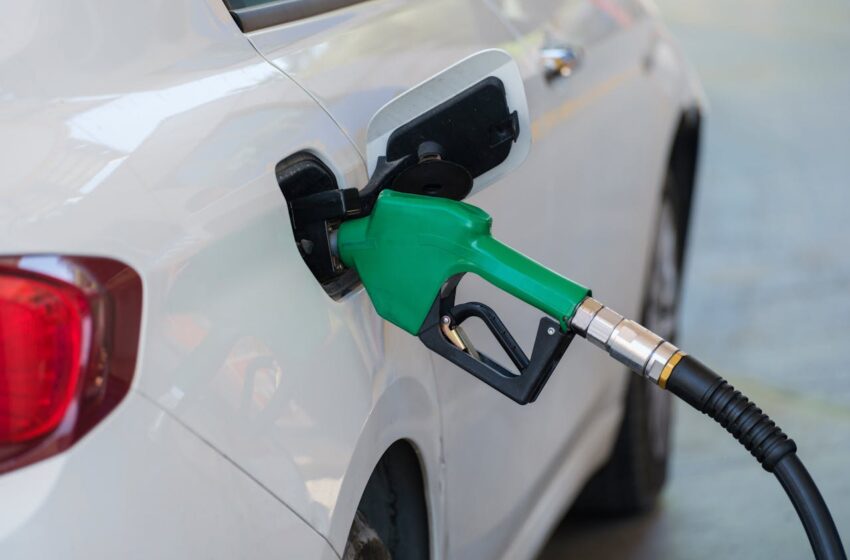
Fueling a car (Photo by Engin Akyurt: https://www.pexels.com/photo/gas-pump-nozzle-filling-the-white-car-12377482/)
Drivers across the United States are feeling the strain at gas stations as fuel prices rise sharply following escalating tensions in the Middle East involving the United States, Israel, and Iran.
According to fuel tracking platform GasBuddy, the average price of gasoline has jumped significantly over the past week, creating financial pressure for motorists nationwide.
In Washington, D.C., the average price for a gallon of gasoline has climbed nearly 44 cents, reaching $3.48 per gallon. Nationally, prices have risen even faster, with the average increasing by about 51 cents in just one week, now hovering around $3.45 per gallon.
Experts say the rapid surge is one of the sharpest increases seen in recent years.
Middle East Conflict Driving Oil Market Volatility
Energy analysts say the spike is largely tied to geopolitical tensions following military actions involving the United States and Iran.
Patrick De Haan, head of petroleum analysis at GasBuddy, explained that the recent jump in fuel prices is closely connected to disruptions in global oil markets.
He noted that gasoline prices surged rapidly after oil prices jumped following U.S. strikes on Iran and concerns over disruptions to the strategically important Strait of Hormuz.
The Strait of Hormuz is one of the most critical oil transit chokepoints in the world, handling a significant portion of global petroleum shipments. Any threat to shipping routes in the region tends to send crude oil prices soaring.
During recent trading sessions, oil prices surged toward $120 per barrel, one of the highest levels seen in years, before dropping back toward $90 as markets reacted to uncertainty surrounding the conflict.
Local Gas Prices Rise Across Mid-Atlantic Region
Drivers in surrounding states are also feeling the impact.
In Maryland, the average price of gasoline has climbed to about $3.48 per gallon, reflecting an increase of roughly 54 cents from the previous week.
Similar increases have been reported across Northern Virginia, where motorists say they are noticing the higher prices every time they fill their tanks.
Many drivers expressed concern that prices could continue to rise if tensions in the Middle East escalate further.
National Gas Average Climbs Sharply
Across the country, the national average price for a gallon of regular gasoline has jumped nearly 27 cents in the past week, reaching approximately $3.25 per gallon.
For comparison:
-
One week ago: $2.98
-
One month ago: $2.89
-
One year ago: $3.10
Energy analysts note that this type of rapid weekly increase has not been seen since early 2022, when the global energy market reacted to the start of the Russia-Ukraine war.
Seasonal factors are also contributing to the increase. Gasoline demand typically rises during spring as travel increases and refineries switch to producing summer-blend fuel, which is more expensive to manufacture.
U.S. Fuel Supply and Production Trends
New data from the U.S. Energy Information Administration shows mixed signals in the gasoline market.
Recent figures indicate that gasoline demand fell slightly, dropping from 8.73 million barrels per day to 8.29 million barrels per day over the past week.
At the same time:
-
Total gasoline supply decreased from 254.8 million barrels to 253.1 million barrels
-
Gasoline production rose to 9.3 million barrels per day
Crude oil inventories in the U.S. increased by 3.5 million barrels, bringing total reserves to about 439.3 million barrels, which remains roughly 3% below the five-year average for this time of year.
Electric Vehicle Charging Costs Remain Stable
While gasoline prices fluctuate, electric vehicle drivers have seen little change in charging costs.
The national average price for electricity at public EV charging stations remains at about 39 cents per kilowatt hour.
However, prices vary widely depending on the state.
Among the most expensive states for EV charging are:
-
West Virginia
-
Hawaii
-
Alaska
Meanwhile, some of the cheapest charging rates are found in states such as:
-
Kansas
-
Wyoming
-
Missouri
Most Expensive and Cheapest Gas Markets in the U.S.
Fuel prices vary dramatically across the country.
The most expensive gasoline markets currently include:
-
California – about $4.81 per gallon
-
Washington – about $4.44
-
Hawaii – about $4.43
On the other end of the spectrum, the lowest gas prices can be found in:
-
Oklahoma – about $2.79 per gallon
-
Mississippi – about $2.81
-
Kansas – about $2.83
Drivers can check updated fuel prices along travel routes using tools such as the trip planner provided by the American Automobile Association.
FAQ
Why are gas prices rising in the United States?
Gas prices are increasing mainly due to rising crude oil prices linked to geopolitical tensions in the Middle East and concerns about disruptions to oil supplies.
What is the current national average gas price?
The national average price for gasoline is currently about $3.25 to $3.45 per gallon, depending on the reporting source.
Why does the Strait of Hormuz affect oil prices?
The Strait of Hormuz is a key shipping route for global oil exports. Any threat to shipping in that area can disrupt supply and push prices higher worldwide.
Are EV charging prices increasing as well?
No, the average price for public electric vehicle charging stations has remained steady at around 39 cents per kilowatt hour.
Which states have the highest gas prices?
California, Washington, and Hawaii currently have the most expensive gasoline prices in the United States.