

US Embassy flags 23 Nigerian States as high-risk, warns Americans against travel amid security fears

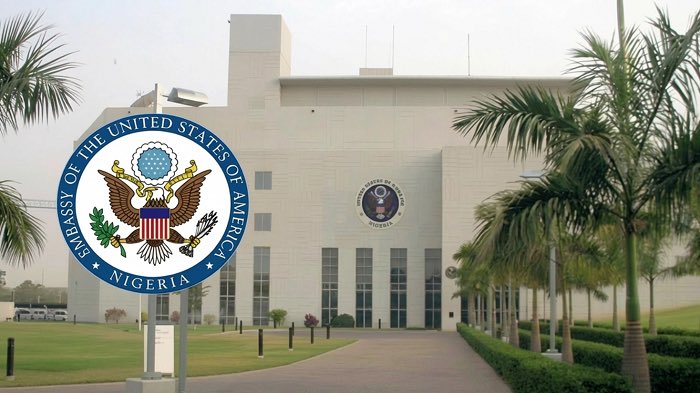
US Embassy warns citizens against travel to 23 Nigerian states
The United States Embassy in Nigeria has issued a fresh travel warning advising American citizens against visiting 23 Nigerian states, citing escalating concerns over terrorism, kidnapping, violent crime, civil unrest, and deteriorating security conditions. The updated advisory, which has quickly become one of the most discussed international security developments involving Nigeria, also authorised the departure of non-emergency US government employees and their family members from Abuja.
The latest warning, issued by the US Department of State and reflected by the embassy in Nigeria, places the country under a Level 3: Reconsider Travel advisory, while escalating several specific regions to Level 4: Do Not Travel. The development has sparked renewed attention on Nigeria’s internal security challenges, especially as the affected states cut across the North-East, North-West, North-Central, South-East and Niger Delta regions.
According to the advisory, the US government said the move was necessary because of the deteriorating security situation, warning that violent crimes such as armed robbery, carjacking, kidnapping for ransom, and roadside banditry remain widespread. It also warned that Americans are often targeted because they are perceived as wealthy, making them more vulnerable in high-risk zones.
Why the US Embassy Updated Its Nigeria Travel Advisory
The new advisory followed a security reassessment by the US Department of State, which on April 8, 2026, authorised the voluntary departure of non-emergency US government staff and eligible family members from the US Embassy in Abuja. The decision underscores Washington’s growing concern about the security environment in Nigeria.
The State Department said the general advisory for Nigeria remains Level 3, meaning Americans should reconsider travel, but it noted that some locations have now been escalated due to heightened threats. The risks listed include terrorism, kidnapping, violent crime, civil unrest, armed gangs, and inconsistent access to healthcare services.
US authorities also warned that terrorist groups continue to plot and carry out attacks in Nigeria, sometimes in collaboration with local criminal gangs. These attacks, officials said, could happen with little or no warning, especially in crowded public spaces such as markets, shopping malls, hotels, restaurants, bars, schools, transport hubs, places of worship, and government buildings.
Full List of the 23 Nigerian States Flagged by the US
The updated advisory identifies 23 Nigerian states as either “Do Not Travel” or areas where Americans should exercise extreme caution due to severe security concerns.
States flagged over terrorism, crime, and kidnapping
These include:
Borno, Jigawa, Kogi, Kwara, Niger, Plateau, Taraba, Yobe, and northern Adamawa.
The US said these areas face unstable and unpredictable security conditions, including community violence, armed attacks, kidnapping, and roadside banditry. Security operations may also occur without warning, further complicating movement.
States flagged over unrest, crime, and kidnapping
These include:
Bauchi, Gombe, Kaduna, Kano, Katsina, Sokoto, and Zamfara.
According to the advisory, these states remain vulnerable to civil unrest, violent criminal activity, and abductions, which could put foreign nationals at significant risk.
States flagged in the South-East and Niger Delta
The advisory also warns against travel to:
Abia, Anambra, Bayelsa, Delta, Enugu, Imo, and Rivers (excluding Port Harcourt).
The US government said these states face persistent risks from kidnapping, armed gangs, violent protests, and widespread crime, especially in areas where militant or criminal groups remain active.
Why Plateau, Jigawa, Kwara, Niger and Taraba Drew Fresh Attention
Among the most notable aspects of the new advisory is the emphasis on Plateau, Jigawa, Kwara, Niger, and Taraba, which have attracted fresh public attention as states now strongly highlighted in the latest travel warning.
Security analysts say the mention of these states reflects broader concerns about the spread of inter-communal violence, armed criminal activity, kidnappings along major routes, and regional instability. In recent months, insecurity in parts of the North-Central and northern corridors has drawn increased local and international scrutiny, making these states especially significant in the updated advisory.
For Plateau State, repeated incidents of communal clashes and attacks in rural communities have already triggered widespread concern. Similarly, Niger and Taraba have increasingly been associated with reports of abductions and insecurity affecting road travel and local communities.
READ ALSO
Plateau funeral protest erupts: Angwan Rukuba youths demand release of arrested residents
US Warns Americans About Kidnapping, Terror Attacks and Poor Healthcare Access
The advisory stresses that kidnapping for ransom remains one of the most serious threats facing foreign nationals in Nigeria, especially dual nationals and visitors returning to see family or conduct private business. The State Department said kidnapping gangs have been known to stop vehicles on highways to rob and abduct passengers.
The US also warned that terrorist violence remains a major risk, noting that attacks can target both symbolic and civilian locations. This warning is particularly significant because it extends beyond conflict zones to include places where ordinary travellers may assume they are safe.
Another critical factor in the advisory is the mention of inconsistent healthcare availability. The US government said medical services in Nigeria often do not meet American or European standards and may be unreliable, especially in emergency situations or remote areas. This concern adds a public health dimension to the broader security warning.
What the US Is Advising Citizens Still Travelling to Nigeria
Despite the strict warning, the US has not imposed a total travel ban on Nigeria. Instead, it is urging Americans who still intend to travel to the country to take additional safety measures.
Among the recommendations is enrolment in the Smart Traveler Enrolment Program (STEP), which allows US citizens to receive urgent alerts and enables the embassy to contact them in emergencies. Travellers are also advised to avoid large gatherings, demonstrations, non-essential road travel, and unfamiliar high-risk areas.
The embassy also recommends that travellers establish personal safety plans and “proof of life” protocols with trusted contacts, an indication of the seriousness of the kidnapping threat. These measures are often suggested in environments where rapid emergency response may not be guaranteed.
What This Means for Nigeria’s Security Reputation
The updated US travel advisory is likely to have implications beyond consular guidance. Such warnings can affect foreign investor confidence, diplomatic perception, international mobility, and tourism narratives, especially when they involve a large number of states and the partial drawdown of embassy-linked personnel.
Although travel advisories are based on a country’s internal assessment systems and may not always align perfectly with local government positions, they are closely watched by foreign governments, multinationals, airlines, expatriates, and international organisations. The decision to authorise the departure of non-emergency US staff from Abuja is particularly significant because it signals a heightened level of institutional caution.
For Nigeria, the development adds fresh pressure on authorities to address persistent insecurity, improve public safety, and reassure both citizens and the international community about conditions across the country.
Fresh US Warning Puts Nigeria’s Security Back in Global Focus
The latest US Embassy Nigeria travel advisory has once again placed the country’s security challenges under international spotlight. By warning Americans against travel to 23 Nigerian states and authorising the exit of non-emergency staff from Abuja, Washington has sent a strong signal about the seriousness of the current threat environment.
As insecurity continues to dominate national and global conversations about Nigeria, the advisory is likely to fuel deeper debate about governance, security operations, and the country’s global image. For now, the message from the US is clear: exercise extreme caution in Nigeria, and avoid high-risk states where terrorism, kidnapping, unrest and violent crime remain serious concerns.
FAQ: US Embassy, Nigeria Travel Advisory and the 23 High-Risk States
1. Why did the US Embassy warn citizens against travelling to 23 Nigerian states?
The US Embassy, acting on a US Department of State advisory, said the warning was issued because of terrorism, violent crime, kidnapping, civil unrest, armed gangs, and inconsistent healthcare services in several parts of Nigeria. The advisory reflects a broader reassessment of the security situation.
2. Which 23 Nigerian states were listed in the US travel advisory?
The states mentioned include:
Borno, Jigawa, Kogi, Kwara, Niger, Plateau, Taraba, Yobe, Adamawa (northern parts), Bauchi, Gombe, Kaduna, Kano, Katsina, Sokoto, Zamfara, Abia, Anambra, Bayelsa, Delta, Enugu, Imo, and Rivers (excluding Port Harcourt).
3. Did the US ban travel to all of Nigeria?
No. The US did not ban travel to all of Nigeria. The country remains under a Level 3: Reconsider Travel advisory overall, while certain areas are under Level 4: Do Not Travel due to higher risks.
4. What does Level 3 mean in the US travel advisory?
Level 3: Reconsider Travel means the US government is advising citizens to think carefully before travelling because of serious risks. It does not automatically prohibit travel, but it signals elevated danger.
5. What does Level 4: Do Not Travel mean?
Level 4: Do Not Travel is the highest advisory level. It means the US government strongly advises its citizens not to visit those areas because the risks are severe and emergency support may be limited.
6. Why did the US authorise non-emergency staff to leave Abuja?
On April 8, 2026, the State Department authorised non-emergency US government employees and eligible family members to leave the US Embassy in Abuja due to what it described as a deteriorating security situation.
7. Is Abuja included in the list of 23 high-risk states?
The advisory specifically referenced the departure of non-emergency staff from Abuja, but the Federal Capital Territory itself was not listed among the 23 named states in the reports provided. However, the staff departure indicates heightened caution regarding the broader security environment.
8. Why is Port Harcourt treated differently in the advisory?
The US advisory said Rivers State is included, but it specifically noted an exception for Port Harcourt. This suggests the US sees Port Harcourt as comparatively distinct in risk profile from other parts of Rivers, though travellers should still remain cautious.
9. Are Americans still allowed to travel to Nigeria?
Yes, Americans can still travel to Nigeria, but the US government advises them to reconsider travel, avoid listed high-risk states, enrol in the Smart Traveler Enrolment Program (STEP), and take extensive safety precautions.
10. What crimes did the US mention in the advisory?
The advisory highlighted armed robbery, assault, carjacking, kidnapping for ransom, hostage-taking, roadside banditry, and other violent crimes as major threats in Nigeria.
11. Why are US citizens considered high-risk targets in Nigeria?
The US State Department said Americans are often seen as wealthy and may therefore be targeted by criminals and kidnapping gangs, especially in areas with weak security or high levels of organised crime.
12. How could this advisory affect Nigeria internationally?
Such advisories can influence foreign investment, expatriate deployment, diplomatic planning, tourism perception, and business travel decisions. They can also affect how international organisations assess operational risk in Nigeria.
13. What should US citizens do if they must travel to Nigeria?
They should:
- Register with STEP
- Avoid listed high-risk states
- Avoid protests and large gatherings
- Limit non-essential road travel
- Maintain emergency contacts
- Use vetted transport and secure accommodation
- Create “proof of life” and emergency response plans
14. Is this the first time the US has issued a security warning on Nigeria?
No. The US has periodically updated its Nigeria travel advisories over the years, especially during periods of heightened insecurity. However, the current warning is notable because of the large number of affected states and the authorised departure of non-emergency embassy-linked staff.