

Union Bank saga explained: Is your money safe? — here’s what to know

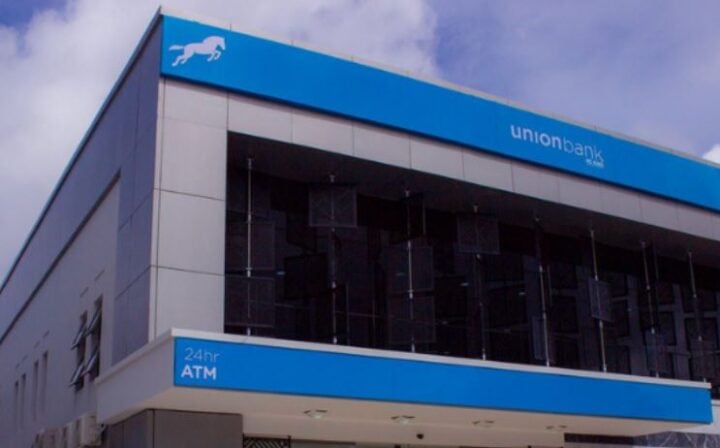
Union Bank
A Federal High Court ruling in Lagos has thrown Union Bank into fresh uncertainty, raising critical questions about leadership, control, and what it all means for millions of customers.
On Wednesday, Justice Chukwujekwu Aneke declared that the Central Bank of Nigeria (CBN) acted beyond its powers when it dissolved the bank’s board and management in January 2024. The court ordered the immediate reinstatement of the former board led by Farouk Mohammed Gumel, effectively nullifying everything done under the current leadership.
The judgment has since sparked concern across Nigeria’s financial space, especially as it comes at a time when banks are under pressure to strengthen their capital base.
What Led to the Legal Battle
The crisis traces back to January 2024 when the CBN removed Union Bank’s board and management, citing regulatory concerns, including financial instability and governance issues.
However, the bank’s core shareholders—Titan Trust, Luxis International, and Magna International—challenged that decision in court. They argued that the apex bank failed to follow due process and sidelined them in major decisions, including a recapitalisation plan that allegedly diluted their ownership.
After months of legal tussle, the court agreed with the shareholders, ruling that the CBN’s actions were unlawful and violated their rights.
Why This Ruling Matters
At the heart of the issue is who is truly in charge of Union Bank.
By restoring the former board and voiding the current one’s actions, the court has created a situation where:
- Leadership authority is now unclear
- Major decisions taken over the past two years may be questioned
- Ongoing processes like recapitalisation have been halted
This kind of uncertainty at the top of a financial institution can raise concerns—not just for investors, but also for everyday customers.
Are Customers’ Funds Safe? Here’s What We Know
Despite the tension, both the CBN and Union Bank have moved quickly to calm fears, insisting that customers have nothing to worry about.
According to official statements, the bank remains stable, operational, and fully capable of meeting its obligations. This means customers can continue to carry out transactions, withdraw funds, and use banking services without disruption.
In practical terms, your money is not directly affected by the court ruling.
But There Are Still Reasons for Concern
While operations remain stable, the situation is far from ordinary.
The court case revealed deeper issues, including a significant capital shortfall and a high level of non-performing loans. With the court now halting recapitalisation efforts, there are concerns about how quickly the bank can strengthen its financial position.
In addition, the legal uncertainty over leadership could slow decision-making at a critical time for the banking sector.
Big Question: Who Is Really in Charge Now?
One of the most pressing concerns is whether the current management can still make binding decisions.
The court has nullified their authority and restrained them from taking further action. However, until the judgment is fully implemented or possibly appealed, a grey area remains.
This raises a “buyer beware” situation, especially for investors and stakeholders engaging with the bank at this time.
What Could Happen Next
The situation is still developing, and several outcomes are possible.
The CBN may choose to appeal the judgment, which could delay any immediate changes. Alternatively, steps may be taken to restore the former board as ordered by the court.
Regulators are also expected to closely monitor the situation to prevent instability and maintain confidence in the banking system.
The Bottom Line for Customers
For now, Union Bank customers can breathe easy—there is no immediate threat to deposits or daily banking activities.
However, the unfolding legal battle introduces a layer of uncertainty that cannot be ignored. While the crisis is largely about governance and control at the top, its long-term impact will depend on how quickly clarity is restored.
Until then, all eyes remain on Union Bank as one of Nigeria’s biggest financial stories continues to unfold.