

UNESCO/Guillermo Cano World Press Freedom Prize 2026: How to Apply and Win $25,000

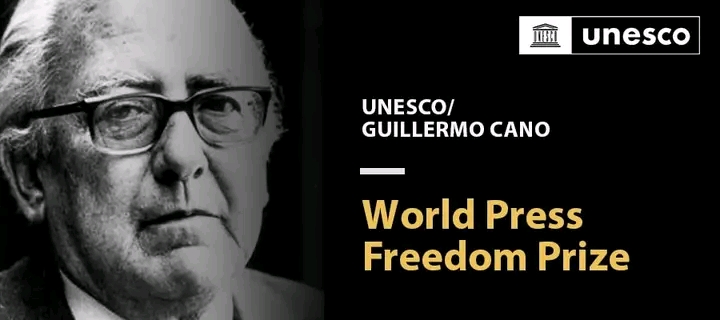
UNESCO/Guillermo Cano opens 2026 World Press Freedom Prize nominations
UNESCO has officially opened nominations for the 2026 UNESCO/Guillermo Cano World Press Freedom Prize, one of the world’s most respected international honors for journalists, media organizations, and institutions defending press freedom under risk.
With a cash award of US$25,000, the annual prize recognizes outstanding contributions to the defense and promotion of freedom of expression, particularly in environments marked by conflict, repression, censorship, or personal danger. The application deadline is February 15, 2026.
The call for nominations comes at a time when journalists globally face increasing threats, making the prize both a symbolic and practical affirmation of media freedom.
What Is the UNESCO/Guillermo Cano World Press Freedom Prize?
Established in 1997, the UNESCO/Guillermo Cano World Press Freedom Prize honors individuals or organizations that demonstrate exceptional courage and commitment to independent journalism.
The prize commemorates Guillermo Cano Isaza, a Colombian journalist assassinated in 1986 due to his outspoken reporting against drug cartels and corruption. His legacy continues to shape UNESCO’s mission to protect journalists and uphold freedom of the press as a cornerstone of democracy.
The award is presented annually and is regarded as one of the highest global recognitions for journalistic integrity and bravery.
Who Can Nominate Candidates for the 2026 Prize?
Unlike open self-applications, nominations must be submitted by recognized bodies. Eligible nominators include:
- UNESCO Member States, in consultation with their National Commissions
- International and regional professional organizations
- Non-governmental organizations (NGOs) working in journalism and press freedom
Each eligible body may nominate up to three candidates for the 2026 edition.
Nominees may be:
- An individual journalist
- A media organization
- An institution actively defending press freedom
There are no nationality restrictions, making the prize truly global.
READ ALSO
MAX.ng is Hiring: How to Apply for HR and Technician roles at Transport Tech Firm
UN Human Rights 2026 International Contest for Minority Artists: How To Apply
What Does the Winner Receive?
The recipient of the 2026 prize will receive:
- US$25,000 cash award
- International recognition from UNESCO
- Global visibility for their work in defending press freedom
- Increased advocacy support for media freedom causes
The prize often amplifies the voices of journalists operating in high-risk environments, drawing international attention to press freedom violations.
Why the Prize Matters in 2026
Press freedom continues to face severe challenges worldwide, including harassment, imprisonment, online surveillance, and violence against journalists. UNESCO uses this prize to spotlight courage, deter abuses, and reinforce global commitments to freedom of expression.
By honoring journalists who persist despite threats, the Guillermo Cano Prize sends a strong message: attacks on journalism will not go unnoticed.
How to Submit a Nomination
All nominations must follow strict submission guidelines:
- Deadline: February 15, 2026
- Language: English or French only
- Format: Official UNESCO nomination form
- Submission method: By email or post
Incomplete or late submissions will not be considered.
For official guidelines, nominators are advised to consult the UNESCO Guillermo Cano Prize webpage.
A Global Opportunity for Press Freedom Advocates
For journalists and media organizations working under pressure, particularly in Africa, the Middle East, Asia, and Latin America, this prize represents more than recognition. It is a powerful form of international protection and validation.
As UNESCO continues its mission to safeguard freedom of expression, the 2026 prize reinforces the enduring relevance of ethical, fearless journalism.
FAQ
What is the UNESCO/Guillermo Cano World Press Freedom Prize?
It is an annual UNESCO award recognizing individuals or organizations that defend press freedom, especially in dangerous or restrictive environments.
How much is the Guillermo Cano Prize worth?
The winner receives US$25,000 along with global recognition.
Who was Guillermo Cano?
Guillermo Cano was a Colombian journalist killed in 1986 for his commitment to press freedom. The prize honors his legacy.
Who can be nominated for the 2026 prize?
Journalists, media organizations, or institutions that have made outstanding contributions to press freedom.
Can journalists nominate themselves?
No. Nominations must be submitted by UNESCO Member States or recognized professional and non-governmental organizations.
How many candidates can one organization nominate?
Up to three candidates per eligible nominating body.
What is the nomination deadline?
All nominations must be submitted by February 15, 2026.
In what language must nominations be submitted?
Nominations must be completed in English or French.
Is the prize open to Africans and Global South journalists?
Yes. The prize is global and open to nominees from all regions.
Where can nominations be submitted?
Through the official UNESCO nomination form, sent by email or post as instructed on the official webpage.