

UK personal allowance could rise to £15,570: Who would actually benefit?

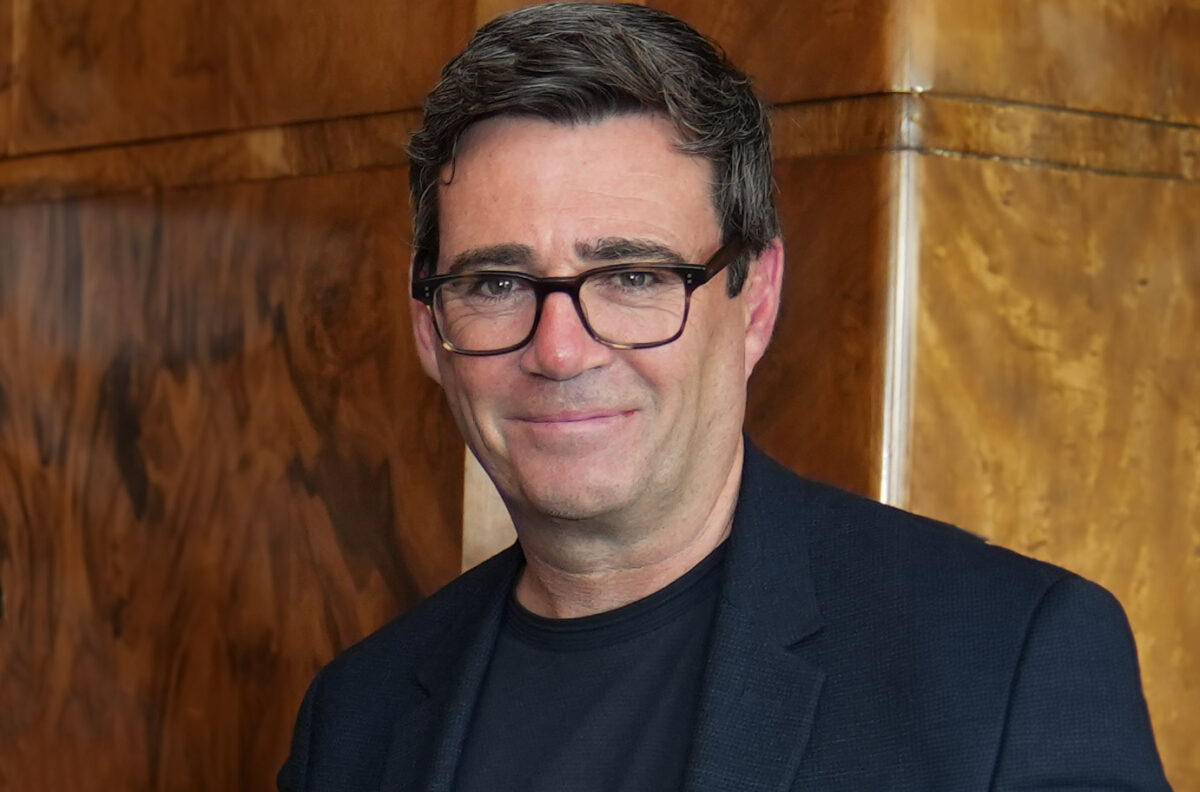
UK Prime Minister, Andy Burnham.
A proposed increase in the UK Personal Allowance from £12,570 to £15,570 could give millions of taxpayers more income before they start paying income tax, while also preventing some state pensioners from becoming liable for tax on part of their pension.
The proposal is being discussed ahead of the government’s next Budget, but it has not been confirmed as government policy.
The current standard Personal Allowance is £12,570, meaning most people can receive that amount of income before paying income tax. The threshold has remained at that level for several years. HM Revenue & Customs currently lists £12,570 as the standard allowance for the 2026/27 tax year.
What is the Personal Allowance?
The Personal Allowance is the amount of income an individual can receive during a tax year before income tax normally becomes payable.
For the 2026/27 tax year, the standard allowance is £12,570. The basic income tax rate then applies to income above that allowance within the relevant tax band.
The allowance generally applies across the UK, although income-tax rules for some tax bands differ for taxpayers in Scotland.
People with adjusted net income above £100,000 can also see their Personal Allowance reduced. It falls by £1 for every £2 of income above the £100,000 threshold and can eventually reach zero.
Why is the £15,570 Personal Allowance being discussed?
The proposed increase would raise the tax-free threshold by £3,000.
The idea was reported as being considered by Chancellor John Healey and Andy Burnham following a proposal from Ecotricity founder and Labour donor Dale Vince.
Vince has argued that increasing the allowance could put more money into the pockets of lower-income earners, while suggesting that higher capital gains tax and changes to interest payments on Bank of England reserves could help fund the measure.
The Treasury has not confirmed that the proposal will be introduced. A spokesperson said tax decisions are matters for the chancellor to announce at fiscal events rather than something the government routinely comments on when they are based on speculation or proposals.
How much could workers save?
If the Personal Allowance were increased from £12,570 to £15,570, the amount of income protected from income tax would rise by £3,000.
For a basic-rate taxpayer who is able to use the full additional allowance, that could mean up to £600 less income tax a year, based on the 20% basic rate.
That works out at roughly £50 a month.
The actual benefit would depend on an individual’s income, tax circumstances and whether they are entitled to the full Personal Allowance.
The proposed figure of £15,570 would also bring the threshold closer to where it might have stood had the allowance continued rising rather than remaining frozen.
READ ALSO
State pension could hit £13,000 next April, but the £488 increase comes with a tax catch
Why has the Personal Allowance been frozen?
The Personal Allowance was increased to £12,570 for the 2021/22 tax year and subsequently maintained at that level.
The government has since legislated to keep the allowance at £12,570 for later tax years. Current government policy provides for the Personal Allowance to remain at that level through the 2030/31 tax year.
The freezing of tax thresholds can also have wider effects as wages and other incomes rise.
More people can find themselves paying tax or moving into higher tax bands even when tax rates themselves have not changed.
Why pensioners are watching the proposal
The Personal Allowance issue has become particularly significant for pensioners because of the expected increase in the State Pension.
The State Pension is uprated under the triple lock, which means it rises by whichever is highest of 2.5%, inflation or average earnings growth.
According to the figures reported by Sky News, average wage growth used in the latest calculation was provisionally 3.9%. That would increase the full new State Pension from £12,547.60 to approximately £13,036.60.
If the Personal Allowance remained at £12,570, the amount above the allowance would be taxable for pensioners who have no other relevant tax-free allowances or circumstances.
Under the figures cited by Sky News, around £466 would be above the existing allowance, rather than £457 as stated in the supplied article, because £13,036.60 minus £12,570 equals £466.60.
For someone paying the basic 20% income tax rate, that would amount to roughly £93.32 of tax on that portion of income, assuming no other factors affect their tax position.
A £15,570 allowance would place the projected State Pension below the threshold.
Could the increase be funded through capital gains tax?
One proposal under discussion would involve increasing capital gains tax as part of a wider package.
Capital gains tax is charged on certain profits made when assets such as shares or property are sold for more than they cost, subject to exemptions and allowances.
The reported proposal would use changes to capital gains taxation, alongside a potential change involving Bank of England reserve payments, to help fund a higher Personal Allowance.
There has been no confirmed government announcement establishing that this will be the final approach for the next Budget.
That distinction matters because the current £12,570 allowance remains the official threshold, while £15,570 is currently a proposed figure.
Why the Budget could determine what happens next
The proposal comes as the government faces pressure over its finances.
Sky News reported that public sector borrowing was £18.3bn in August 2026, while borrowing for the financial year to that point was £8.1bn higher than the Office for Budget Responsibility had expected.
Higher borrowing costs and debt interest payments could leave the government with less room for tax cuts or additional spending.
That means any decision to raise the Personal Allowance would need to be considered alongside the government’s wider tax and spending plans.
For taxpayers, the important point is that nothing has changed yet. The Personal Allowance remains £12,570 for the current tax year, and any increase would need to be formally announced and implemented by the government.
Frequently asked questions about the UK Personal Allowance
What is the UK Personal Allowance in 2026?
The standard Personal Allowance is £12,570 for the 2026/27 tax year.
Could the UK Personal Allowance increase to £15,570?
A proposal to increase it to £15,570 has been reported ahead of the next Budget. It has not been confirmed as government policy.
How much would a £15,570 Personal Allowance be worth?
The proposed increase is £3,000. For someone able to use the full additional allowance at the 20% basic income tax rate, the potential tax saving would be up to £600 a year, or about £50 a month.
Would pensioners benefit from a higher Personal Allowance?
Potentially. A higher allowance could prevent some pensioners from paying income tax on part of their State Pension if the pension rises above the existing £12,570 threshold.
Will the Personal Allowance remain at £12,570?
Current government policy sets the allowance at £12,570 through the 2030/31 tax year, unless the government changes the policy.
Why is the Personal Allowance important?
It determines how much income most people can receive before income tax becomes payable. A higher allowance can reduce the amount of taxable income for people who qualify for the full allowance.
Does everyone get the full £12,570 Personal Allowance?
Not necessarily. People with adjusted net income above £100,000 can have their allowance reduced by £1 for every £2 of income above that threshold.
When will the government decide on the proposed increase?
The reported £15,570 figure remains a proposal. The government has indicated that tax decisions will be set out at fiscal events rather than confirmed through responses to speculation.