

UK unveils 7 new towns in biggest housebuilding push in 50 years: Full list of locations and what it means for homebuyers

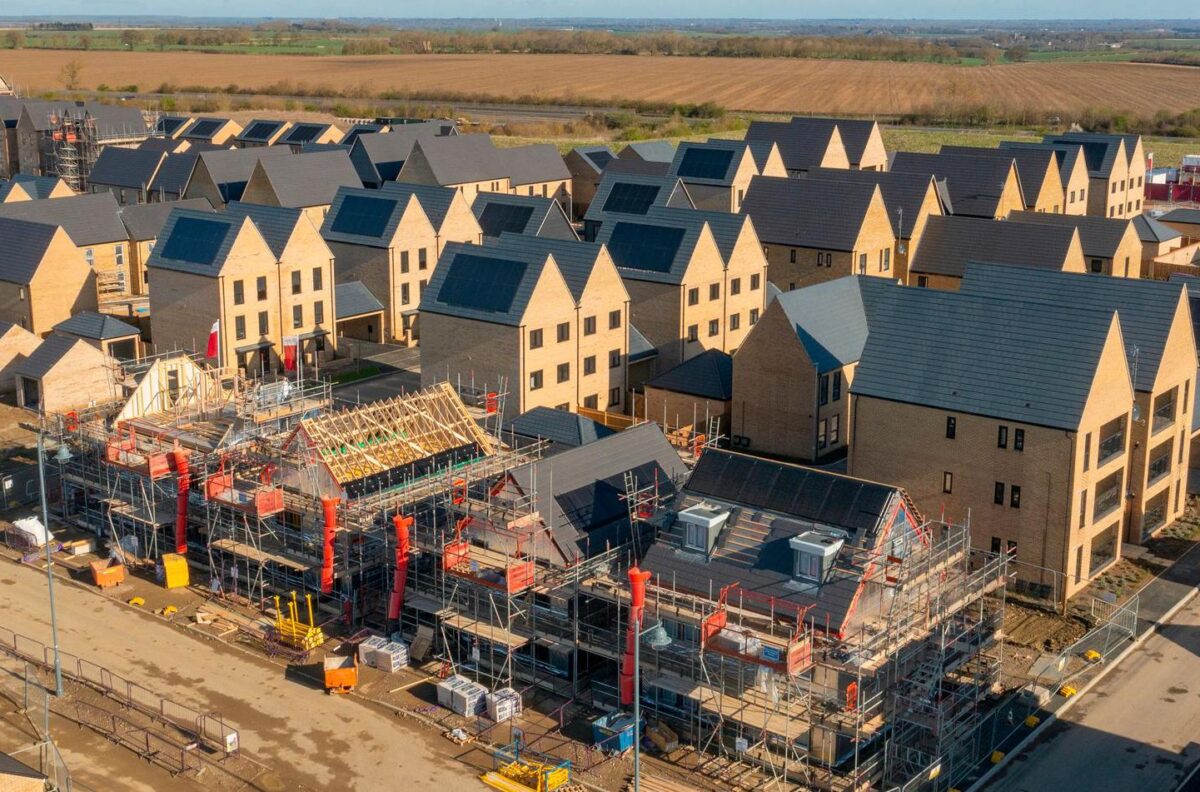
Seven new towns sites in England move forward under Labour’s housing plan. Image Credit: Getty Images
The UK government has unveiled seven areas in England that will move forward under Labour’s flagship “new towns” housing plan, marking what ministers are calling the biggest housebuilding push in more than 50 years. The move is being positioned as a major step in Sir Keir Starmer’s broader pledge to tackle Britain’s housing shortage and help deliver 1.5 million new homes by the next general election.
The seven shortlisted locations include a mix of standalone settlements, urban regeneration projects, and major town expansions, with ministers promising that building work on at least three sites will begin before the next general election, which must be held by 2029. While the final locations will still go through further consultation and environmental checks, the announcement has already triggered intense interest from homebuyers, developers, and local communities asking the same question: where are the UK’s new towns being built, and what does it mean for house prices, infrastructure, and local jobs?
Full List: The 7 New Town Areas the UK Government Has Taken Forward
According to the latest reports, the seven areas being progressed further are:
- Tempsford
- Leeds South Bank
- Crews Hill and Chase Park
- Manchester Victoria North
- Thamesmead
- Brabazon and West Innovation Arc
- A site in Milton Keynes
These locations span Bedfordshire, London, Greater Manchester, Leeds, Bristol, and Buckinghamshire, and represent different types of housing delivery. Some are effectively new settlements or large-scale urban extensions, while others are major regeneration schemes inside or on the edge of existing cities.
That distinction matters because although the policy is being marketed as a “new towns” programme, not every site will look like a completely brand-new settlement built from scratch. In practise, several are expected to function more like large planned expansions of existing urban areas rather than entirely standalone post-war-style towns.
How Many Homes Will the 7 New Towns Deliver?
The government’s benchmark is ambitious. Reports say each location is expected to deliver at least 10,000 homes, with some of the biggest sites, including Tempsford, Brabazon, and Milton Keynes, potentially reaching around 40,000 homes each. Across all seven areas, the total number of homes could reach roughly 190,000+, depending on final approvals and buildout plans.
The Guardian reported that the sites are expected to provide between 15,000 and 40,000 homes each, while the BBC summary in your source noted ministers are aiming for between 10,000 and 40,000 homes per location. That makes this one of the most significant single announcements in English housing policy in decades.
For buyers and renters, the big takeaway is simple: if the scheme moves at pace, it could increase housing supply in some of England’s most pressured markets, though experts remain cautious about whether Labour can fully hit its 1.5 million homes target by 2029.
Why the Labour Government Is Pushing New Towns Now
Labour’s “new towns” strategy is central to its attempt to reset England’s housing market after years of under-supply. The policy was first heavily promoted before the election and draws inspiration from the post-World War II new towns movement, when governments created planned communities such as Stevenage, Hemel Hempstead, and Harlow to relieve overcrowding and expand access to housing.
The modern version is meant to do more than just add homes. Ministers say the developments should include:
- Affordable housing
- Schools
- GP surgeries and healthcare access
- Public transport links
- Walkable streets and cycle routes
- Green spaces and local jobs
That is politically important because past housing schemes have often been criticised as “just estates” rather than true communities. Labour is trying to frame this as place-making, not simply housebuilding.
Which Sites Were Dropped or Deprioritised?
Not every proposed location made the cut.
Reports say six previously considered sites were deprioritised or dropped from this phase, although ministers stressed they could still be supported through other housing or regeneration programmes. Among the locations mentioned in reports were proposals linked to Adlington in Cheshire, Plymouth, east Devon, Worcestershire Parkway, and Heyford Park in Oxfordshire.
This matters because some of the rejected or deprioritised sites had already become politically controversial, with local opposition surfacing in places such as Cheshire.
READ ALSO
When Will Construction Start on the New Towns?
The government has said it wants construction to begin on three sites before the next general election, which must happen by 2029 at the latest. However, the seven areas announced are not yet the final, fully confirmed build sites. They will still need to go through:
- Further consultation
- Environmental assessment
- Infrastructure planning
- Delivery body setup
- Funding agreements
That means the announcement is a major political milestone, but not the same thing as shovels immediately hitting the ground everywhere.
Can the Government Force Land Sales for the New Towns?
Yes, at least in limited circumstances.
Reports say ministers plan to create delivery bodies and could use compulsory purchase powers where “reasonable efforts” fail to secure agreements with landowners. This is one of the most closely watched parts of the policy because land assembly is often one of the biggest reasons large housing schemes stall in England.
This also raises questions around planning battles, local resistance, and compensation, which are likely to become major talking points as the programme moves into the next stage.
Why the UK’s New Towns Plan Is Already Going Viral
The story is exploding online because it hits several major search trends at once:
- UK housing crisis
- House prices
- Affordable homes
- Green belt and planning reform
- Where new towns are being built
- Will this lower house prices?
There is also growing public debate over whether these are truly “new towns” in the traditional sense, since several of the shortlisted areas are more accurately described as urban extensions or regeneration zones than completely new standalone settlements. That nuance is already showing up in online discussion and could shape how the policy is judged over time.
What the 7 New Towns Could Mean for Homebuyers, Renters and Investors
If delivered properly, the new towns programme could have several major effects:
- More housing supply in high-demand areas
- Potential downward pressure on local price growth over time
- More affordable and social housing
- New transport links and infrastructure
- Increased opportunities for developers, contractors, and local businesses
But there are also risks:
- Delays caused by planning and environmental reviews
- Funding disputes over roads, rail, and utilities
- Local opposition to large-scale development
- Questions over whether private investors will fully back the infrastructure needed to make the sites work as real communities rather than dormitory suburbs
In short: the policy is big, but delivery is everything.
FAQ: UK New Towns 2026
1. What are the 7 new towns announced in England?
The seven areas being progressed are Tempsford, Leeds South Bank, Crews Hill and Chase Park, Manchester Victoria North, Thamesmead, Brabazon and West Innovation Arc, and a site in Milton Keynes. These are being taken forward for further consultation before final confirmation.
2. Are the 7 new towns fully confirmed yet?
Not completely. The government has shortlisted and progressed seven areas, but the final locations will be confirmed later in 2026 after more consultation and environmental assessment.
3. How many homes will the new towns build?
Each site is expected to deliver at least 10,000 homes, with some of the largest sites potentially reaching around 40,000 homes. Combined, the programme could add roughly 190,000 or more homes depending on final plans.
4. Why is the government building new towns?
The new towns programme is part of Labour’s strategy to tackle the housing shortage in England, increase affordable housing, and support its target of building 1.5 million homes by the next general election.
5. Are these really “new towns” or just housing estates?
Not all of them are completely new standalone towns. Some are urban extensions, regeneration zones, or expansions of existing settlements, which is why some critics argue the term “new towns” is partly political branding.
6. When will construction start on the new towns?
Ministers say they want building to start on at least three sites before the next general election, which must happen by 2029. However, exact start dates depend on planning, land, environmental approvals, and funding.
7. Will the new towns lower house prices in the UK?
They may help slow price growth locally over time by increasing supply, especially in high-demand areas. But they are unlikely to cause a dramatic nationwide house price drop on their own, particularly in the short term.
8. Which sites were dropped from the new towns shortlist?
Reports say several sites were deprioritised, including proposals linked to Adlington in Cheshire, Plymouth, east Devon, Worcestershire Parkway, and Heyford Park in Oxfordshire. Ministers said these could still be supported through other housing programmes.
9. Can the government force landowners to sell for new towns?
Potentially yes. Ministers may use compulsory purchase powers if negotiations with landowners fail after reasonable efforts. This is expected to be a key part of the delivery strategy.
10. Will the new towns include affordable housing?
Yes. Ministers say the developments are intended to include affordable housing, alongside infrastructure such as schools, GP surgeries, public transport, and green spaces.
11. Why is Tempsford getting so much attention?
Tempsford stands out because it is one of the clearest examples of a genuinely new settlement, with plans reportedly tied to major transport links and the potential for up to 40,000 homes.
12. Is Milton Keynes becoming a new town again?
Not exactly from scratch. Reports describe it more as a “renewed town” or a major expansion linked to the legacy of Milton Keynes, which was itself part of a later generation of post-war new towns.
13. What happens next in the new towns plan?
Next steps include:
- Further consultation
- Environmental assessments
- Funding and infrastructure planning
- Creation of delivery bodies