

Why are UK MPs urging emergency visas for Jamaicans after Hurricane Melissa—and Is Britain doing enough?

Why are UK MPs urging emergency visas for Jamaicans after Hurricane Melissa—and Is Britain doing enough?
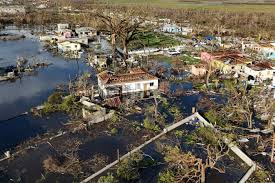
Calls for stronger intervention from the United Kingdom are intensifying as Jamaica continues to confront the catastrophic aftermath of Hurricane Melissa, a Category 5 storm that tore across the island and left nearly a million people in urgent need of assistance. With entire communities flattened and essential services still disrupted, British MPs, civil society leaders, and members of the Jamaican diaspora are demanding a more substantial response from London—including the introduction of special humanitarian visas for affected families.
The UK government previously announced £7.5 million in emergency relief for countries hit by the hurricane. But campaigners say that amount falls drastically short of what is required, considering Jamaica’s historical relationship with Britain and the scale of destruction on the island. Many argue that the UK bears a deeper moral responsibility rooted in centuries of colonial ties.
Dawn Butler, Labour MP for Brent East and chair of the All-Party Parliamentary Group on Jamaica, has been one of the most vocal advocates. Butler wrote to the UK home secretary urging the introduction of temporary humanitarian visas and fee waivers for Jamaicans with relatives in Britain. She said families with vulnerable members—particularly children and elderly relatives—should be allowed to seek refuge in the UK while the country rebuilds.
At an emergency local meeting in her constituency, home to one of the largest Jamaican communities in Britain, residents shared emotional testimonies about loved ones still stranded without power, clean water, or secure housing. Butler emphasized that the UK’s historic ties should translate into decisive action in a moment like this. “Compassion must guide our response,” her letter reads, calling for a collaborative effort to protect those most affected.
Veteran MP Diane Abbott echoed the appeal, stressing that the humanitarian crisis is far from over. She warned that international attention faded almost immediately after evacuating British tourists, leaving the true scale of Jamaica’s challenge overlooked. Abbott noted that entire districts—especially Black River and communities across Westmoreland—will require years and significant resources to rebuild.
Windrush activist Euen Herbert-Small went a step further, urging the British government to show the same level of urgency and compassion it extended to Ukrainians during the war. He argued that Jamaica’s Commonwealth status and its long-standing contributions to Britain’s prosperity should warrant an equally robust humanitarian pathway. A petition launched by Herbert-Small demanding dedicated visas for Jamaicans affected by Melissa is already gaining traction.
On the island, the situation remains dire. Recent reports show that about 150,000 homes have been destroyed or severely damaged. Prime Minister Andrew Holness estimates recovery costs at nearly $8 billion. Beyond the physical destruction, the country is now grappling with an outbreak of leptospirosis, with dozens of suspected cases and multiple confirmed deaths.
Jamaica’s Ministry of Labour and Social Security says social workers are on the ground daily, distributing aid and gathering data on displaced families. But with power grids down, roads washed away, and entire parishes cut off for days, relief has been slow in reaching some of the hardest-hit areas.
Advocates say Britain must confront the full history behind the Caribbean’s vulnerability. The UK Green Party called on the government to tie its support to broader climate justice commitments, noting that Caribbean nations—despite contributing the least to global emissions—face the most devastating consequences of extreme weather. Their spokesperson pointed out that the region’s exposure to climate disasters cannot be separated from centuries of environmental exploitation and economic extraction under colonial rule.
The Global Afro-Descendant Climate Justice Collaborative also released a statement describing Hurricane Melissa as further evidence that Afro-descendant communities bear disproportionate burdens of climate disruption—a crisis rooted in the same industrial systems built through colonialism and enslavement.
As Jamaica works to rebuild, diaspora leaders warn that the world must not forget the island’s long road to recovery. They stress that the devastation is not a “moment,” but an ongoing humanitarian emergency that requires sustained support, policy action, and international solidarity.
FAQ
Q1: Why are UK MPs calling for humanitarian visas for Jamaicans?
They believe the UK has a moral and historical duty to offer refuge to vulnerable Jamaicans affected by Hurricane Melissa, especially those with relatives in Britain.
Q2: How many people were affected by Hurricane Melissa?
Nearly one million Jamaicans were impacted, with about 150,000 homes damaged or destroyed.
Q3: How much aid has the UK provided so far?
The UK pledged £7.5 million for Jamaica and other islands, but critics say this is far below what’s needed.
Q4: Why is climate justice part of the conversation?
Advocates argue that Caribbean nations suffer disproportionately from climate change due to historical patterns of colonial exploitation and industrial pollution.
Q5: What challenges does Jamaica currently face besides infrastructure damage?
The country is battling an outbreak of leptospirosis and navigating widespread shortages of water, electricity, and shelter.