

UK MP Tulip Siddiq sentenced in Bangladesh corruption trial — What it means for her future

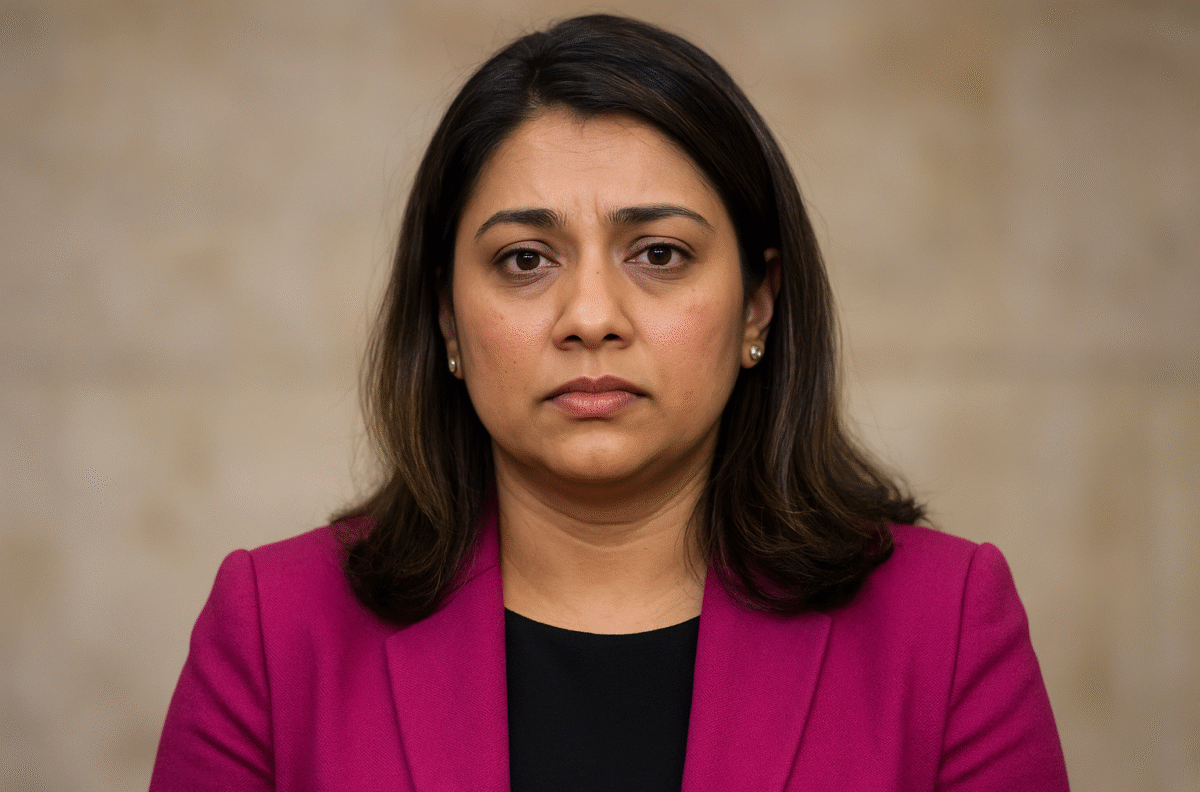
UK MP Tulip Siddiq sentenced in Bangladesh corruption trial — What it means for her future
British MP and former junior minister Tulip Siddiq has been sentenced to two years in prison by a court in Bangladesh, in a corruption trial conducted in her absence. The ruling, delivered on Monday, stems from allegations that Siddiq improperly influenced her aunt, ousted Bangladeshi Prime Minister Sheikh Hasina, to secure a government land allocation for her family. Siddiq, representing Hampstead and Highgate in London, has consistently denied any wrongdoing and is unlikely to serve the sentence due to her residence in the UK.
The case forms part of a broader wave of legal actions launched against Sheikh Hasina and her associates following her removal from office in a mass uprising last year. Hasina, who has been living in exile in India, was separately sentenced to death in absentia for crimes against humanity linked to a violent crackdown on a student-led protest, which left over a thousand people dead. In addition to Siddiq, her mother, Sheikh Rehana, received a seven-year prison term, while Hasina was sentenced to five years in a separate corruption case concerning land deals.
The trial, held in Dhaka’s special court, accused Siddiq of using her influence over Hasina to obtain a plot of land for her mother and siblings. Court documents suggested that Siddiq leveraged her familial connections inappropriately to gain benefits in a government project. Prosecutors maintained that Siddiq’s Bangladeshi citizenship, evidenced by her passport, national ID, and tax records, made her subject to the country’s jurisdiction. Siddiq’s legal team, however, rejected these claims, asserting that she has not held a Bangladeshi passport or official ID since childhood and has no active ties as a Bangladeshi citizen.
Siddiq’s trial and conviction have drawn criticism from high-profile legal figures in the UK. Last week, an open letter to Bangladesh’s ambassador in London, signed by prominent lawyers including Lady Cherie Blair, former Justice Secretary Sir Robert Buckland, and ex-Attorney General Dominic Grieve, described the proceedings as “artificial, contrived, and unfair.” The letter highlighted that Siddiq was not given a proper opportunity to defend herself and urged Bangladeshi authorities to ensure she could respond to all allegations through her legal representatives.
Earlier this year, Siddiq resigned from her role as a junior minister in the UK government amid controversy over her ties to Hasina. While an ethics review by Prime Minister Sir Keir Starmer’s adviser, Sir Laurie Magnus, found no evidence of misconduct, it noted the reputational risks associated with her family connections. Siddiq has consistently maintained her innocence, describing herself as “collateral damage” in the political fallout following her aunt’s removal.
Bangladesh continues to investigate Siddiq and her family over multiple allegations, including the transfer of prime real estate in Dhaka and accusations of financial irregularities in a Russian-funded nuclear power project dating back to 2013. Despite the sentences handed down, the lack of an extradition treaty between the UK and Bangladesh makes it unlikely Siddiq will serve her prison term.
The unfolding legal saga underscores the tense political climate in Bangladesh, where numerous cases targeting former leaders and their families have been criticized internationally for failing to meet recognized standards of fairness and due process. Siddiq, for now, remains in London, facing ongoing legal battles in absentia as the ramifications of her aunt’s ousting continue to reverberate.
FAQ
Q: Who is Tulip Siddiq?
A: Tulip Siddiq is a British Labour MP representing Hampstead and Highgate in London and a former UK junior minister. She is the niece of former Bangladeshi Prime Minister Sheikh Hasina.
Q: What was Siddiq accused of?
A: Siddiq was accused of influencing her aunt to illegally secure a plot of government land for her family in Bangladesh.
Q: Is Siddiq going to prison in the UK?
A: No. Siddiq resides in London, and there is no extradition treaty between the UK and Bangladesh, making it unlikely she will serve the sentence.
Q: What other sentences were handed down in the case?
A: Siddiq received a two-year prison term and fine. Her mother Sheikh Rehana was sentenced to seven years, and Sheikh Hasina received five years in a separate corruption case.
Q: Why is the trial controversial?
A: Critics argue the trial was conducted in absentia without proper opportunity for Siddiq to defend herself, violating international fairness standards.