

What Trump really said in his Primetime address, and why the White House is nervous about 2026

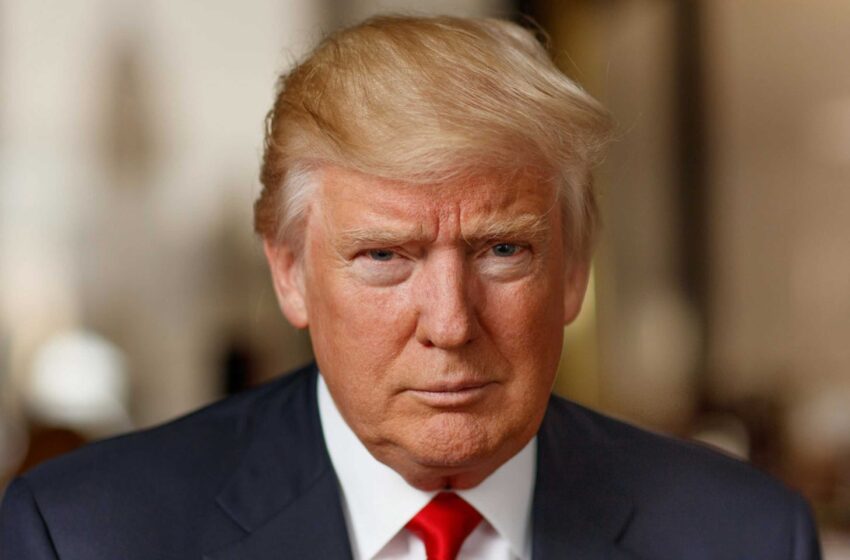
Donald Trump. Picture: David Hume Kennerly/Getty Images
President Donald Trump delivered a rare 20-minute primetime address from the White House on December 17, 2025, aiming to reassure Americans about the economy while setting the tone for the crucial 2026 midterm elections. While the speech offered limited new policy announcements, it revealed a White House increasingly concerned about voter frustration over inflation, affordability, and job security.
The address, broadcast nationwide, functioned less as a policy reset and more as a messaging exercise, one that leaned heavily on assigning blame to former President Joe Biden while urging patience from an electorate showing growing signs of economic fatigue.
Biden Took Center Stage, Again
One of the most striking takeaways from Trump’s address was the relentless focus on Biden. Trump mentioned his predecessor repeatedly, framing nearly every economic challenge as a consequence of Democratic leadership.
Opening with the claim that he “inherited a mess,” Trump argued that inflation, housing costs, and affordability crises were born under Biden’s watch. He also blamed the previous administration for illegal immigration, rising housing prices, and health insurance instability.
However, polling suggests this strategy may be losing effectiveness. Recent surveys show a majority of voters increasingly hold Trump responsible for current economic conditions, undermining the administration’s attempt to shift blame nearly a year into his term.
READ ALSO
Did Susie Wiles just expose Trump’s second-term secrets, and put her job on the line? What to know
What time is Trump National Address tonight, and what will he reveal about the economy and border?
A Scripted Speech, But an Uneven Delivery
Unlike Trump’s rally-style appearances, the address followed a tightly scripted format. Still, the delivery drew attention for the wrong reasons.
Trump spoke at a rapid pace, stumbled over figures, and occasionally misread prepared lines. At one point, he incorrectly verbalized troop numbers while announcing $1,776 “warrior dividend” checks for U.S. service members, one of the few tangible policy announcements of the night.
Even Trump appeared aware of the performance pressure, later asking Chief of Staff Susie Wiles whether he stayed within the 20-minute limit, suggesting the speech felt more like an obligation than an opportunity.
Fact-Checking Challenges Persist
Despite the teleprompter, the address included several disputed or inaccurate claims. Trump overstated inflation levels at the start of his presidency, exaggerated crime and border statistics, and repeated the assertion that he won the 2024 election in a “landslide,” despite data showing a narrow electoral margin.
He also claimed dramatic reductions in drug prices and unprecedented job creation, assertions that conflict with publicly available economic data. These recurring factual inconsistencies continue to complicate the administration’s credibility with undecided voters.
Few New Policies, Many Promises
Beyond the military bonus checks, Trump offered few concrete policy details. He teased “the most aggressive housing reform plans in American history” without specifics and reiterated support for tariffs, tax cuts, and deregulation as long-term solutions.
On healthcare, Trump blamed Democrats for expiring Affordable Care Act subsidies while floating ideas such as health savings account replacements, plans that currently lack congressional backing.
The absence of detailed proposals raised questions about why the White House chose a primetime national address for what amounted to familiar talking points.
Why the Speech Matters Heading Into 2026
The decision to address the nation at this moment appears driven by political urgency. Trump’s approval ratings on the economy and inflation have slipped, and Democrats are positioning themselves to capitalize on voter dissatisfaction in the upcoming midterms.
Rather than projecting confidence, the address underscored a White House keenly aware of its messaging challenges. The speech’s very existence, paired with its lack of substance, suggests an administration struggling to regain control of the economic narrative.
FAQ
What was Trump’s primetime address about?
The speech focused on the economy, inflation, immigration, and framing Biden as responsible for current challenges, with limited new policy announcements.
Did Trump announce any new policies?
The main new item was a $1,776 bonus payment for military members. Other proposals, such as housing reform, were mentioned without details.
Why did Trump blame Biden so heavily?
The administration appears to be using Biden as a political foil to deflect responsibility for economic dissatisfaction ahead of the 2026 midterms.
How did voters react to Trump’s speech?
Polling suggests skepticism remains high, with many voters still dissatisfied with affordability and holding Trump accountable for current conditions.
Why was the speech considered unusual?
Primetime Oval Office addresses are rare and typically reserved for crises or major announcements, making the lack of substantive news notable.
What does this mean for the 2026 elections?
The address signals growing White House concern about voter sentiment, particularly on the economy, an issue likely to dominate the midterms.