

Trump’s Pearl Harbor joke to Japan’s PM stuns White House meeting, sparks Global backlash

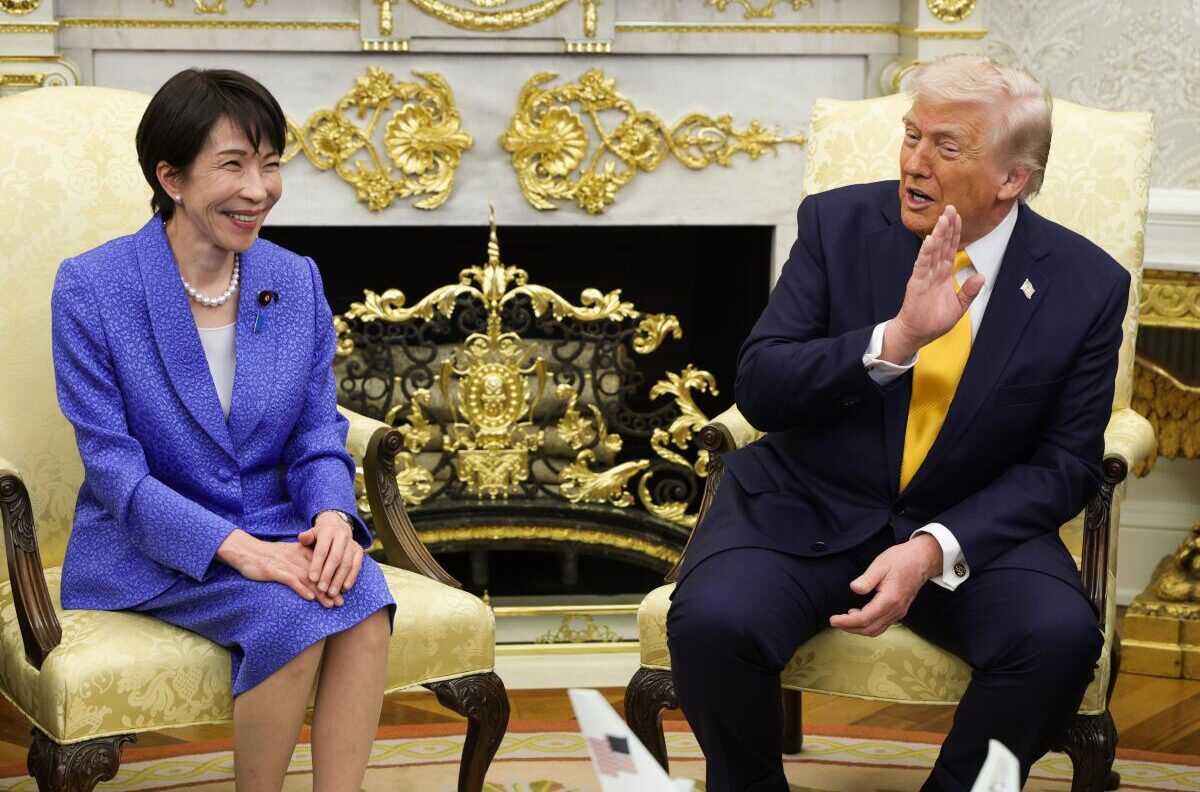
Japanese Prime Minister Sanae Takaichi with President Trump on Thursday in the Oval Office. Image Credit: Alex Wong/Getty Images
In a moment that quickly ricocheted across global headlines, U.S. President Donald Trump made a controversial Pearl Harbor remark during a White House meeting with Japanese Prime Minister Sanae Takaichi, drawing criticism for invoking one of the most painful chapters in U.S.-Japan wartime history.
The exchange occurred Thursday in the Oval Office as Trump fielded questions about why key allies were not informed ahead of recent U.S. and Israeli military strikes on Iran. According to reports from AFP, Reuters, and video circulated by CNN, Trump said the administration withheld advance notice because it wanted the element of surprise, then added: “Who knows better about surprise than Japan?” before turning to Takaichi and asking, “Why didn’t you tell me about Pearl Harbor?”
The line, apparently delivered as a joke, immediately created an awkward atmosphere in the room. AFP reported that Takaichi, listening through an interpreter, did not respond verbally and appeared to shift in her chair while holding back a visible sigh, with at least one audible groan reportedly heard among those present. The clip quickly went viral online, with critics describing the comment as tone-deaf and diplomatically risky, especially given the sensitivity of Pearl Harbor in both American and Japanese historical memory.
What Trump Said About Pearl Harbor in Front of Japan’s Prime Minister
During the Oval Office appearance, Trump was responding to a Japanese reporter’s question about why U.S. allies, including Japan, were not briefed before the initial strikes on Iran. In defending the decision, he argued that secrecy was necessary for operational surprise.
That is when Trump made the now-viral remark: “We didn’t tell anybody about it because we wanted surprise. Who knows better about surprise than Japan, OK?” He then looked toward Takaichi and said, “Why didn’t you tell me about Pearl Harbor?” Reuters and AFP both confirmed the quote, while CNN video captured the broader exchange that has since dominated international coverage.
The comment instantly drew attention because Pearl Harbor is not just a historical reference, it is the site of the December 7, 1941 Japanese attack on the U.S. naval base in Hawaii, an event that killed more than 2,400 Americans and led directly to U.S. entry into World War II. AFP noted that the attack remains a deeply symbolic event in U.S. history, famously described by President Franklin D. Roosevelt as “a date which will live in infamy.”
Why Trump’s Pearl Harbor Joke Is Causing International Backlash
The backlash is rooted in both timing and context.
First, Trump made the remark while seated beside the current leader of one of America’s closest allies in Asia. Modern U.S.-Japan relations are built on decades of postwar reconciliation, military partnership, and economic cooperation. Publicly reviving the Pearl Harbor attack in a joking manner risks undermining the careful diplomatic language usually used around wartime history.
Second, the comment came during a discussion of surprise military action related to Iran. That made the comparison even more charged. Critics argue that invoking Japan’s 1941 attack while defending a contemporary military operation created an unnecessary diplomatic flashpoint. Reuters’ video coverage explicitly framed the moment as Trump drawing a parallel between recent U.S. strikes and Japan’s surprise attack on Pearl Harbor.
AFP also noted that wartime history remains delicate in Japan, where leaders have spent decades strengthening ties with Washington while trying to move beyond the memories of World War II. That is why Takaichi’s subdued reaction became a story of its own.
READ ALSO
Japanese PM Takaichi and Trump forge a ‘Golden Age’ alliance amid global power shifts
How Japan PM Sanae Takaichi Reacted to the Pearl Harbor Comment
Japanese Prime Minister Sanae Takaichi did not directly answer Trump’s comment in the room.
According to AFP, she appeared to shift uncomfortably in her chair and seemed to suppress a slight sigh while relying on an interpreter. CNN’s video clip, which circulated widely after the meeting, also fueled discussion about her visible discomfort during the moment.
That reaction has become central to why the story is trending. Many viewers interpreted her silence as a diplomatic attempt to avoid escalating an already awkward exchange. In a high-stakes bilateral setting, leaders often avoid responding to provocative or off-script comments in real time, especially when cameras are rolling.
At the time of reporting, there was no immediate public statement from Takaichi’s office specifically addressing the Pearl Harbor quip in the cited coverage.
Why Pearl Harbor Still Matters in U.S.-Japan Relations
To understand why the remark landed so hard, it helps to remember what Pearl Harbor represents.
On December 7, 1941, Imperial Japan launched a surprise attack on the U.S. Pacific Fleet at Pearl Harbor, killing more than 2,400 Americans and destroying or damaging major naval assets. The attack prompted the United States to formally enter World War II, transforming the conflict into a truly global war.
Since then, U.S.-Japan relations have evolved dramatically. Today, Japan is one of Washington’s most important allies in the Indo-Pacific, and both governments typically handle wartime references with caution. That is why Trump’s casual invocation of Pearl Harbor, especially framed as a joke about “surprise”, has been viewed by many analysts as diplomatically reckless.
AFP pointed out that Trump has made similar World War II-era references before. The agency recalled a separate moment last year when he told German Chancellor Friedrich Merz that D-Day “was not a pleasant day for you.” That earlier comment also sparked headlines for its unusual treatment of historic trauma in a modern diplomatic setting.
What This Means for Trump, Japan and the White House Optics
Politically, the remark is likely to become another example of how Trump’s off-the-cuff comments can dominate a news cycle that might otherwise have focused on foreign policy substance.
Instead of headlines centered only on Japan-U.S. coordination, the Strait of Hormuz, or the Iran strike fallout, much of the conversation shifted to a single line about Pearl Harbor. That matters because optics in diplomacy are often as consequential as policy details.
For Japan, the safest immediate response may be restraint. For the White House, however, the comment risks reinforcing a familiar criticism: that Trump’s improvisational style can complicate delicate international relationships, even with close allies.
FAQ: Trump’s Pearl Harbor Remark and Why It Matters
1. What did Trump say about Pearl Harbor?
President Donald Trump said, “Who knows better about surprise than Japan?” and then asked Japanese Prime Minister Sanae Takaichi, “Why didn’t you tell me about Pearl Harbor?” during an Oval Office meeting while discussing why allies were not informed ahead of U.S. strikes on Iran.
2. Why did Trump mention Pearl Harbor during the Japan PM meeting?
Trump made the remark while defending why the U.S. did not notify allies in advance of recent military action involving Iran. He argued that secrecy was needed for “surprise,” then used Japan’s 1941 attack on Pearl Harbor as a historical comparison.
3. Who is the Japanese prime minister in the story?
The Japanese leader present was Prime Minister Sanae Takaichi, who was meeting Trump at the White House on March 19, 2026.
4. How did Sanae Takaichi react to Trump’s Pearl Harbor comment?
AFP reported that Takaichi did not respond verbally and appeared visibly uncomfortable, shifting in her chair and seeming to suppress a sigh while listening through an interpreter.
5. Why is Trump’s Pearl Harbor joke controversial?
It is controversial because Pearl Harbor refers to Japan’s 1941 surprise attack on the U.S. naval base in Hawaii, which killed more than 2,400 Americans and brought the U.S. into World War II. Using it jokingly during a live meeting with Japan’s leader is widely seen as diplomatically insensitive.
6. What is Pearl Harbor and why is it historically important?
Pearl Harbor is a U.S. naval base in Hawaii that was attacked by Imperial Japan on December 7, 1941. The attack killed over 2,400 Americans and triggered U.S. entry into World War II.
7. Was the Trump Pearl Harbor comment captured on video?
Yes. CNN circulated video of the Oval Office moment, which helped the remark spread quickly online and fueled international reaction.
8. Did Trump compare the Iran strikes to Pearl Harbor?
Reuters and other outlets described Trump as drawing a parallel between the recent U.S. strikes involving Iran and the idea of a surprise attack, explicitly invoking Japan’s Pearl Harbor attack while answering a question about why allies were not informed.
9. Has Trump made World War II jokes or references like this before?
AFP noted that Trump previously made another unusual World War II reference when he told German Chancellor Friedrich Merz that D-Day “was not a pleasant day for you.”
10. Is there official backlash from Japan yet?
In the coverage cited here, there was no immediate formal public condemnation from Japan’s side specifically addressing the remark. However, the visible discomfort in the room and the global reaction have already turned it into a major diplomatic optics story.
11. Why is this story trending on Google and social media?
The story combines a high-profile world leader, a live diplomatic meeting, a shocking historical reference, and a viral video clip. Those factors made it one of the most searchable political stories of the day.
12. What is the key takeaway from the Trump Pearl Harbor controversy?
The most accurate summary is this: Trump made a Pearl Harbor joke in front of Japan’s prime minister during a White House meeting, the remark created immediate discomfort, and it overshadowed the diplomatic substance of the visit while sparking global backlash.