

Trump pauses planned strikes on Iran for 5 days after ‘productive’ talks: What it means for the Strait of Hormuz crisis

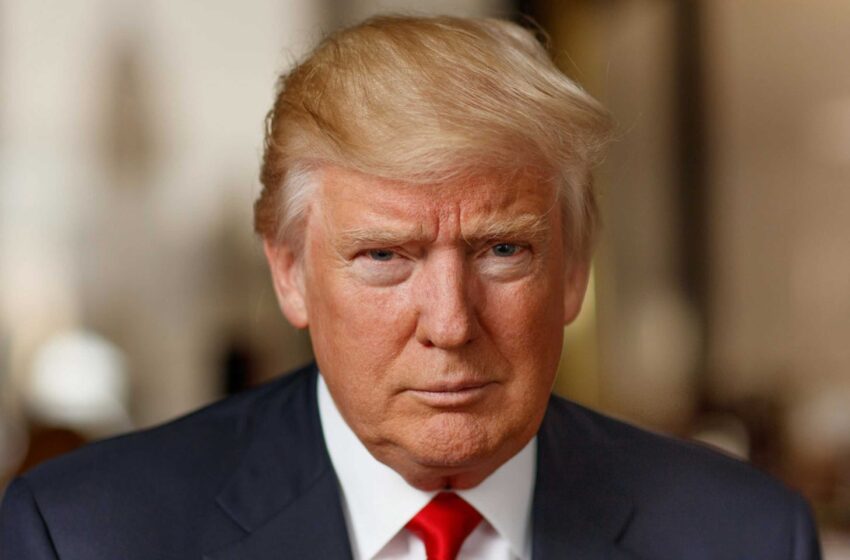
Donald Trump. Picture: David Hume Kennerly/Getty Images
President Donald Trump says he has ordered a five-day postponement of planned US military strikes on Iranian power plants and energy infrastructure, a surprise move that signals a possible, though fragile, diplomatic opening in one of the most dangerous phases of the current US-Iran confrontation.
The announcement, made on Monday via Truth Social, came after Trump said the United States and Iran had held “very good and productive conversations” over the previous two days regarding what he described as a possible “complete and total resolution” of hostilities in the Middle East. The decision temporarily pulls Washington back from a threatened escalation that had raised fears of a direct attack on Iran’s energy grid and a wider shock to global oil markets.
The development follows Trump’s earlier 48-hour ultimatum demanding that Tehran reopen the Strait of Hormuz to all vessels, warning that failure to do so could trigger US strikes on Iranian power infrastructure. With the strait handling a critical share of global oil flows, the standoff has become a flashpoint for both military and economic risk.
Trump Says ‘Productive’ US-Iran Talks Prompted a 5-Day Delay in Planned Strikes
In his public statement, Trump said he had instructed the US military to “postpone any and all military strikes against Iranian power plants and energy infrastructure” for five days, making clear that the pause depends on the outcome of ongoing discussions. He framed the decision as a response to the tone of talks with Tehran, suggesting the White House sees at least a short-term opportunity to test diplomacy before authorizing a potentially escalatory military move.
The move is significant because it comes just hours before the expiration of the previously issued deadline tied to Hormuz shipping. That timing has fueled intense online interest, with searches surging for phrases like “Trump Iran strikes delayed,” “Trump pauses attack on Iran,” and “Will the US bomb Iran power plants?”
READ ALSO
Diego Garcia attack explained: What Iran’s failed strike means for the US, UK and Middle East
Why Trump Threatened Iran’s Power Plants in the First Place
Trump’s earlier warning was linked directly to the Strait of Hormuz, the narrow maritime chokepoint between the Persian Gulf and the Gulf of Oman that is crucial for world energy shipments.
According to recent reporting, Trump gave Iran 48 hours to reopen the strait to shipping, threatening to “obliterate” Iranian power plants if Tehran did not comply. The threat came after Iran warned it could completely shut the strait in retaliation amid the expanding conflict. The risk was immediate: any attack on energy infrastructure in or around the Gulf could rattle oil markets, shipping insurance, and regional electricity systems.
Reuters reported Sunday that Iranian media said the Strait of Hormuz remained open to all shipping except vessels linked to “Iran’s enemies,” suggesting Tehran may be trying to maintain leverage without fully sealing off the route to global commerce. That partial posture may have contributed to the decision to delay immediate US strikes.
Iran’s Warning: Any US Strike Could Trigger Regional Energy Retaliation
Even as Trump announced the pause, Iranian threats did not disappear.
Al Jazeera reported that the Islamic Revolutionary Guard Corps (IRGC) warned that if Washington follows through with attacks on Iranian energy sites, Iran could target power plants and infrastructure tied to US interests across the region. Separately, Iranian officials have signaled they could escalate pressure on Gulf shipping routes, including by threatening broader disruption near the southern coast and island approaches.
That means the five-day delay is not a ceasefire. It is a temporary de-escalation window, and one that still sits inside a wider war environment involving US and Israeli operations, Iranian threats, and continued uncertainty over maritime security.
What This Means for Oil Prices, Shipping and Global Markets
The Strait of Hormuz is one of the most strategically important waterways in the world, and even limited disruption can have outsized consequences.
Because a large share of the world’s seaborne oil passes through the route, any credible threat to shipping can quickly affect:
- Oil prices
- Fuel costs
- Shipping insurance rates
- Regional electricity and energy security
- Investor confidence in Middle East supply chains
That is why Trump’s pause matters beyond geopolitics. Markets are watching whether the US and Iran can stabilize the situation without a direct strike on energy infrastructure — a move that analysts fear could cause a much broader regional energy crisis. Reuters’ reporting that the strait remains at least partially open for many vessels may help ease immediate panic, but the situation remains highly unstable.
Is Trump Backing Down or Buying Time?
Politically, the five-day pause can be read in two ways.
Supporters may frame it as a strategic pause, an effort to force concessions while preserving military leverage. Critics, meanwhile, may see it as a sign that the White House is trying to avoid the economic and military blowback of hitting Iran’s energy grid while still claiming diplomatic momentum.
What is clear is that Trump has not withdrawn the threat. He explicitly tied the delay to the success of ongoing meetings, meaning the possibility of strikes remains on the table if talks collapse. That conditional posture is likely to keep both oil markets and US allies on edge throughout the week.
What Happens Next in the Trump-Iran Standoff?
The next 5 days are likely to be decisive.
Key things to watch include:
- Whether US and Iranian officials confirm direct or indirect talks
- Whether Iran further eases or clarifies access through the Strait of Hormuz
- Whether the White House extends the pause or restores the strike threat
- Whether the IRGC or allied groups escalate elsewhere in the region
- How oil and shipping markets react to any new military or diplomatic signal
For now, Trump’s announcement has temporarily reduced the risk of immediate US attacks on Iranian power plants, but the broader confrontation remains volatile, unresolved, and highly sensitive to even small shifts in messaging or military posture.
FAQ: Trump, Iran Strikes and the Strait of Hormuz
1. Why is Trump trending right now?
Trump is trending because he announced a five-day postponement of planned US military strikes on Iranian power plants and energy infrastructure after saying the US had “very good and productive conversations” with Iran.
2. Did Trump cancel the planned strikes on Iran?
Not exactly. Trump said he postponed the strikes for five days, not permanently canceled them. He said the delay is subject to the success of ongoing talks with Tehran.
3. What did Trump threaten Iran over?
Trump had threatened Iran over the Strait of Hormuz, demanding it be reopened to all vessels within 48 hours. He warned that if Iran did not comply, the US could strike Iranian power plants and energy infrastructure.
4. What is the Strait of Hormuz and why does it matter?
The Strait of Hormuz is a major global shipping chokepoint through which a large share of the world’s oil passes. Disruption there can affect oil prices, shipping routes, fuel costs, and global markets.
5. Is the Strait of Hormuz closed right now?
As of the latest reporting, Iranian media said the strait is open to all shipping except vessels linked to “Iran’s enemies.” That means it is not fully closed, but access remains politically and militarily risky.
6. Why did Trump delay the Iran strikes?
Trump said he delayed the strikes because the US and Iran had held “good and productive conversations” over the previous two days and that discussions about a broader resolution would continue this week.
7. Is the US at war with Iran?
The current situation is an active and escalating US-Iran confrontation tied to the wider regional conflict, but the exact legal or political framing depends on official declarations and ongoing operations. What is clear is that the US has threatened direct attacks on Iranian energy infrastructure and remains militarily engaged in the crisis.
8. What did Iran say in response to Trump’s threat?
Iranian officials and the IRGC warned that if the US strikes Iranian power plants or energy sites, Iran could retaliate by targeting regional energy infrastructure and assets tied to US interests.
9. Could Trump still order strikes after the 5-day pause?
Yes. Trump explicitly said the pause is conditional, meaning the strikes could still happen if talks fail or if the situation worsens.
10. How could this affect oil prices?
Any renewed threat to the Strait of Hormuz or direct attacks on Iranian energy infrastructure could push oil prices higher, raise shipping insurance costs, and disrupt global fuel supply chains.
11. Did Trump make the announcement on TV?
The announcement was made via Truth Social, where Trump said the US and Iran had productive talks and that he had ordered the military to pause the strikes.
12. Is this a ceasefire between the US and Iran?
No. This is not a ceasefire. It is a five-day postponement of specific planned strikes, while broader hostilities and threats remain active.
13. What happens after the five-day deadline?
Possible outcomes include:
- A longer diplomatic pause
- A formal or informal de-escalation
- Renewed US strike threats
- Actual military action if talks collapse
- Further Iranian retaliation or shipping disruption
14. Is Trump backing down from Iran?
That depends on interpretation. Some see it as de-escalation through diplomacy; others see it as buying time while keeping military pressure in place. What matters most is that the threat of strikes has been delayed, not removed.