

Is Trump preparing to strike drug cartels in Mexico after threatening U.S. land attacks?

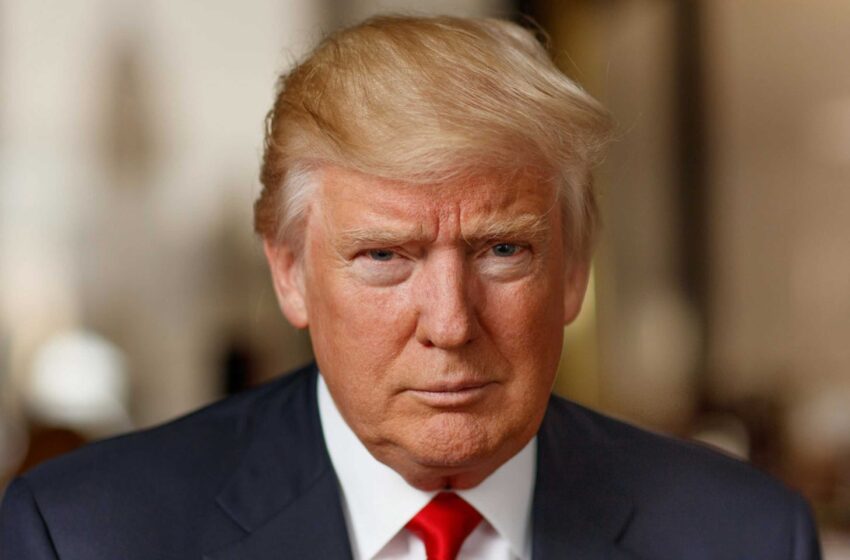
Donald Trump. Picture: David Hume Kennerly/Getty Images
President Donald Trump has escalated his hardline campaign against drug trafficking, signaling that the United States may soon begin military strikes against drug cartels on land, a move that could dramatically heighten tensions with Mexico and other Latin American nations.
Speaking Thursday night on Fox News’ Hannity, Trump declared that after months of maritime operations, his administration is now turning its attention inland.
“We’ve knocked out 97% of the drugs coming in by water, and we are going to start now hitting land with regard to the cartels,” Trump said. “The cartels are running Mexico, it’s very, very sad to watch.”
While Trump did not specify targets or timelines, the remarks have fueled widespread concern that U.S. military action could extend into Mexican territory, raising legal, diplomatic, and sovereignty questions.
From Sea to Land: Trump Signals Major Escalation
Trump’s comments suggest a significant expansion of U.S. counter-narcotics operations, which have already involved dozens of lethal strikes on suspected drug boats in the Caribbean and Pacific since September.
According to administration officials, at least 115 people have been killed in more than 30 maritime strikes, with the White House asserting that many of those targeted were members of international drug syndicates.
Trump has repeatedly argued that maritime routes have become harder for traffickers to use, prompting cartels to shift operations inland.
“The land is easier,” Trump told U.S. service members in November, hinting that ground operations against suspected traffickers could begin “very soon.”
READ ALSO
Is Iran facing a breaking point as Khamenei blames Trump for Nationwide protests?
Mexico in the Crosshairs
Although Trump stopped short of explicitly naming Mexico as a target, his remarks that “the cartels are running Mexico” have intensified speculation that U.S. land strikes could take place on Mexican soil.
Trump has previously claimed that he offered Mexican President Claudia Sheinbaum U.S. assistance to “take out” the cartels, an offer he said was rejected.
According to Trump, Sheinbaum declined because she was “very frightened” of the criminal groups—comments that have further strained diplomatic relations.
Mexico Pushes Back on U.S. Intervention
President Sheinbaum has firmly rejected the idea of foreign military intervention, emphasizing Mexico’s sovereignty and warning that such actions would be counterproductive.
“We categorically reject intervention in the internal affairs of other countries,” Sheinbaum said. “For Mexico, sovereignty and self-determination are neither optional nor negotiable.”
She also dismissed speculation of a U.S. invasion, stating that organized crime “is not resolved through foreign military intervention.”
Mexico is not alone in expressing concern. Brazil, Russia, and other regional powers have criticized Washington’s recent military actions in Latin America, warning of destabilizing consequences.
Venezuela Operation Raises Legal and Political Alarm
Trump’s threat of land strikes follows a dramatic U.S. military operation in Venezuela that resulted in the capture of President Nicolás Maduro and his wife, Cilia Flores, who were transported to the United States on narcotics trafficking charges.
U.S. forces also struck infrastructure in northern Venezuela and moved to assert control over parts of the country’s oil industry, actions that sparked international condemnation and renewed debate over presidential war powers.
Even in Washington, the backlash has been swift. The Republican-controlled Senate passed a war powers resolution seeking to block further military action in Venezuela without congressional approval, though the measure is largely symbolic.
Critics have gone further, with some lawmakers openly discussing the possibility of a third impeachment over Trump’s unilateral use of force.
Trump Unfazed by Backlash
Despite growing opposition at home and abroad, Trump has shown little sign of retreating. Instead, he has hinted that other countries, including Cuba and Mexico, could face similar pressure if drug trafficking continues.
Administration officials argue that the aggressive approach is necessary, citing fentanyl deaths and cartel violence as national security threats.
However, legal experts warn that land strikes without host-nation consent could violate international law and set a dangerous precedent for U.S. foreign policy.
What Comes Next for U.S.–Mexico Relations
Trump’s remarks have injected fresh uncertainty into U.S.–Mexico relations, which are already strained by migration disputes, trade tensions, and security cooperation challenges.
While no official military plans have been announced, analysts say the rhetoric alone could reshape regional security dynamics, embolden cartels to retaliate, or push Latin American governments closer together in opposition to U.S. intervention.
For now, Mexico insists that any solution to cartel violence must come from within, not from foreign boots on the ground.
FAQ
Did Trump threaten military action against drug cartels?
Yes. Trump said the U.S. will begin “hitting land” in its campaign against drug cartels, signaling a major escalation beyond maritime operations.
Is Trump planning to strike drug cartels in Mexico?
Trump did not explicitly confirm strikes in Mexico, but his remarks about cartels “running Mexico” have raised serious concerns about potential U.S. action there.
What has Mexico’s president said about U.S. intervention?
President Claudia Sheinbaum firmly rejected foreign military involvement, stressing Mexico’s sovereignty and opposing any U.S. intervention on Mexican soil.
Has the U.S. already used military force in Latin America?
Yes. The Trump administration has conducted dozens of maritime strikes and recently carried out a high-profile military operation in Venezuela.
Can Trump launch land strikes without Congress?
The legality is disputed. Critics argue that land strikes would require congressional authorization under the War Powers Act.
Why is Trump targeting drug cartels so aggressively?
Trump argues that cartels pose a national security threat due to drug trafficking, particularly fentanyl, and cross-border violence.
Could this lead to a U.S.–Mexico conflict?
While a direct conflict is unlikely, analysts warn that unilateral U.S. action could severely damage diplomatic relations and regional stability.
What happens next?
No official military plans have been announced, but heightened rhetoric suggests continued pressure and possible escalation in the coming weeks.