

Trump sparks outrage after mocking Gavin Newsom dyslexia: Why his ‘learning disabilities’ attack is backfiring

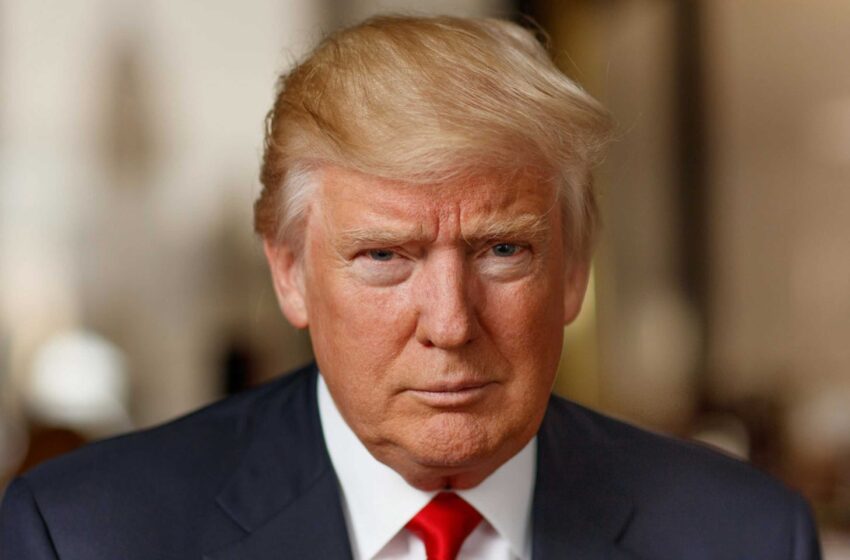
Donald Trump. Picture: David Hume Kennerly/Getty Images
President Donald Trump has triggered a fresh political and cultural firestorm after saying that people with learning disabilities “should not” be president, while directly targeting California Governor Gavin Newsom over his publicly discussed dyslexia. The latest clash between two of America’s most combative political figures is quickly becoming more than just another insult exchange, it is now fueling a wider national debate about disability stigma, presidential fitness, and the early contours of the 2028 race.
Trump’s remarks, made in the Oval Office and echoed in recent media appearances, have drawn condemnation from disability advocates and sharpened attention on Newsom’s status as a possible Democratic contender for the White House. The controversy is also pushing Gavin Newsom’s dyslexia into one of the most searched political topics online today. Reuters reported that Trump made the comments on March 16, calling Newsom “dumb” and suggesting learning disabilities should disqualify someone from the presidency.
Trump Mocks Gavin Newsom’s Dyslexia in Escalating Political Feud
The controversy erupted after Trump, speaking to reporters, referenced Newsom’s past comments about having dyslexia and argued that presidents should not have learning disabilities. According to Reuters, Trump said he was “all for people with learning disabilities,” but added that he did not want such a person as president, specifically citing Newsom’s dyslexia. Reuters also noted this was at least the third recent instance in which Trump publicly targeted Newsom over the issue.
That context matters. This is no isolated remark, it is part of an escalating pattern of attacks aimed at undermining Newsom as a potential 2028 Democratic standard-bearer. Trump has repeatedly used mocking nicknames and framed the California governor as politically and cognitively unfit, while Newsom has increasingly returned fire in public.
The directness of the attack has amplified public interest because it intersects with two volatile themes: Trump vs. Newsom as a proxy battle for the future of both parties, and the broader question of whether disability can still be weaponized in national politics.
What Gavin Newsom Said About Dyslexia, and Why It Matters
The renewed scrutiny follows Newsom’s own recent remarks about his learning disability. Reuters reported that in a February public conversation in Atlanta, Newsom said he does not read speeches as governor because of his dyslexia and referenced lower standardized test scores.
That admission, intended as a moment of candor, has now become a political flashpoint. For many voters, Newsom’s openness could be seen as authenticity and resilience, especially at a time when public figures are increasingly encouraged to speak honestly about personal challenges. For critics, however, it has been recast by opponents as a vulnerability.
Importantly, dyslexia is not a measure of intelligence. It is a learning difference that primarily affects reading fluency, decoding, spelling, and written language processing. Newsom’s comments have therefore opened a broader conversation about whether American politics still misunderstands the distinction between learning differences and leadership ability.
READ ALSO
Gavin Newsom takes Trump fight global at Davos, then gets blocked from U.S. Pavilion
Disability Advocates Condemn Trump’s Learning Disabilities Comment
The backlash has been swift. Reuters reported that Trump’s remarks sparked immediate criticism after he suggested a learning disability should disqualify a candidate from the presidency. The issue has resonated strongly because dyslexia affects millions of Americans and is widely understood by experts as unrelated to intelligence or decision-making capacity.
This is where the story expands beyond partisan politics. Disability-rights advocates argue that comments like these reinforce outdated stereotypes, namely, that people with dyslexia or other learning differences are somehow less capable of handling high-pressure responsibilities.
That framing is particularly explosive in a presidential context. It transforms what might otherwise be a typical campaign insult into a national conversation about ableism in politics. It also creates a potential liability for Trump among suburban, college-educated, and disability-conscious voters who may view the remarks as crossing a cultural line.
Why the Gavin Newsom Dyslexia Controversy Could Shape the 2028 Race
Although the 2028 presidential campaign has not formally begun, this episode underscores a major reality: Gavin Newsom is already being treated like a top-tier Democratic threat.
Reuters explicitly noted that Newsom is viewed as a potential Democratic presidential candidate in 2028, helping explain why Trump has intensified his rhetoric toward him.
That makes this controversy politically significant for three reasons:
- It elevates Newsom nationally: Attacks from Trump often function as a form of political validation, signaling that a rival is worth damaging early.
- It reframes Newsom’s personal story: What began as a discussion of dyslexia could evolve into a broader narrative of perseverance, discipline, and leadership under challenge.
- It tests voter reaction to disability politics: The public response may offer an early signal about whether personal learning differences can be effectively weaponized in a modern presidential contest, or whether such attacks backfire.
In short, the clash is not just about one comment. It is about how character, disability, and electability will be debated in the years ahead.
Political Analysis: Why This Story Is Bigger Than Another Trump-Newsom Insult Exchange
Trump and Newsom have built a familiar rivalry around policy, culture, and media attention. But this latest round stands out because it moves beyond governance disputes into a highly personal and medically sensitive area.
For Newsom, the political opportunity may be clear: by standing firm and refusing to retreat from his dyslexia disclosure, he can present himself as a leader who is transparent, combative, and unashamed. For Trump, the calculation may be that brutal language dominates the news cycle and forces opponents onto defense.
Yet the risk for Trump is equally obvious. Attacking a learning disability may energise his base, but it also hands Newsom and Democrats a potent arguement that Republicans are still willing to stigmatize millions of Americans with dyslexia and learning differences.
That is why this story is gaining traction far beyond California or Washington. It hits at the heart of representation, leadership, and whether vulnerability is a weakness or a strength in modern politics.
FAQ
1. What did Trump say about Gavin Newsom’s dyslexia?
Trump said that while he supports people with learning disabilities, he believes a U.S. president “should not have learning disabilities,” and he specifically cited Gavin Newsom’s publicly discussed dyslexia while criticising him. Reuters reported the remarks were made in the Oval Office on March 16, 2026.
2. Is Gavin Newsom dyslexic?
Yes. Gavin Newsom has publicly discussed having dyslexia, a learning disability that affects reading and spelling. Reuters reported that he said in a February public conversation that he does not read speeches as governor because of it.
3. What is dyslexia?
Dyslexia is a learning disability that affects how a person processes written language, especially reading accuracy, fluency, decoding, and spelling. It does not determine intelligence, judgment, or leadership ability.
4. Can someone with dyslexia be president?
Yes. There is no constitutional or legal barrier preventing someone with dyslexia from becoming president. U.S. constitutional requirements focus on age, citizenship, and residency, not learning disabilities.
5. Is Gavin Newsom running for president in 2028?
As of now, Gavin Newsom has not officially declared a 2028 presidential campaign. However, Reuters identified him as a potential Democratic presidential candidate, which helps explain why Trump is increasingly targeting him.
6. Why is Gavin Newsom trending right now?
Gavin Newsom is trending because Trump’s comments about his dyslexia have sparked widespread backlash, renewed media attention, and intense online searches around disability, presidential fitness, and a possible 2028 White House run.
7. Why are Trump and Gavin Newsom feuding?
Trump and Newsom have clashed repeatedly over policy, political messaging, and media narratives. Their rivalry has grown because Newsom is seen as one of the most visible Democratic leaders and a possible future national contender.
8. Did Trump mock people with learning disabilities?
Critics say yes. By suggesting people with learning disabilities should not be president and using Newsom’s dyslexia as a political attack, Trump’s remarks have been widely interpreted as stigmatizing those with learning differences. Reuters documented the comments and the backlash they generated.
9. Does dyslexia affect intelligence?
No. Dyslexia does not equal low intelligence. It affects language processing related to reading and spelling, but many people with dyslexia succeed in leadership, business, academia, and public life.
10. Could this controversy hurt or help Gavin Newsom politically?
It could do both, but many analysts would argue it may help Newsom nationally by:
- Increasing his visibility
- Humanizing him through personal candor
- Positioning him as a target Trump takes seriously
- Creating sympathy among voters who reject disability stigma.