

Ryan Routh: Trump’s assassination’s plotter sentenced to life in prison — here’s a breakdown

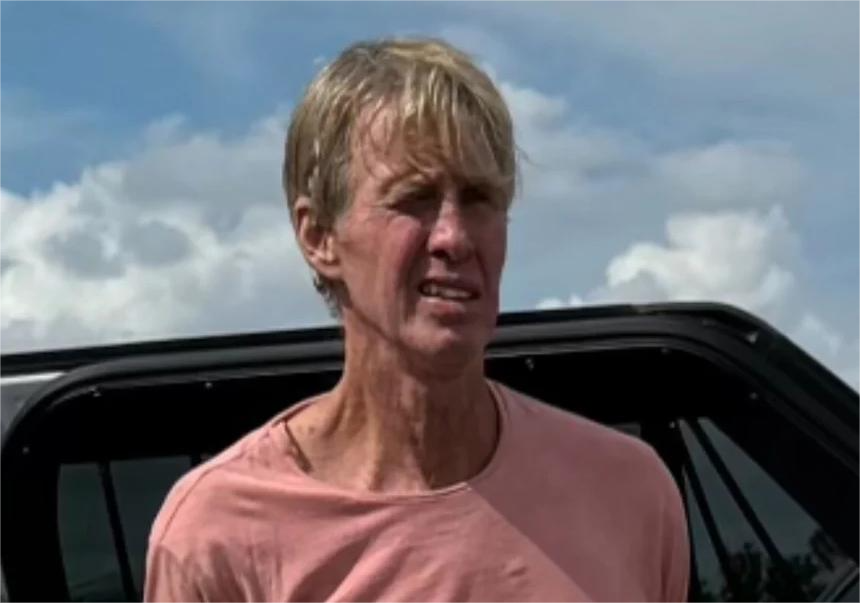
Who is Ryan Wesley Routh? Trump golf course assassination plotter found guilty after suicide attempt
A Florida man who meticulously planned the assassination of then‑former President Donald Trump has been sentenced to life in prison, closing one chapter of a case that stunned federal investigators but opening deeper questions about how close the attack came to succeeding.
Ryan Routh, the man who constructed a concealed sniper position near Trump’s West Palm Beach golf course, was formally sentenced on Wednesday after being convicted on multiple federal charges related to an attempted assassination. His plot was stopped only because a U.S. Secret Service agent spotted the barrel of a rifle protruding through a fence, preventing what prosecutors described as a near‑catastrophic attack.
Routh, who chose to represent himself during much of the trial, was convicted in September on five felony counts, including attempted assassination of a major presidential candidate, assault on a federal officer, and multiple firearms offenses. His decision to act as his own attorney proved disastrous, with repeated courtroom interruptions and frequent reprimands from the presiding judge.
Judge Delivers Harsh Condemnation
U.S. District Judge Aileen Cannon, appointed during Trump’s first term, handed down the life sentence, citing the deliberate nature of the plot and the defendant’s lack of remorse.
“Your conduct was calculated, methodical, and deeply dangerous,” Cannon said during sentencing. “You demonstrated clear intent to kill, and you came perilously close to achieving that goal.”
In addition to life imprisonment, Routh received multiple concurrent sentences, including:
-
84 months for possessing a firearm during a violent crime
-
240 months for assaulting a federal officer
-
18 months for firearm possession as a convicted felon
-
60 months for possessing a firearm with an obliterated serial number
Federal prosecutors had strongly urged the court to impose a life sentence, arguing that Routh remained a danger and showed no evidence of rehabilitation or remorse.
Courtroom Outburst and Final Words
Shackled at the wrists and ankles and dressed in a tan prison jumpsuit, Routh was allowed to address the court — but was instructed to remain seated. His remarks were erratic and defiant.
“Nothing stands before you but a hollow American shell,” he told the judge, adding controversially that “execution is not an option.”
He attempted to pivot to political grievances involving global conflicts before Judge Cannon abruptly cut him off and proceeded with sentencing.
As U.S. Marshals escorted him from the courtroom, Routh reportedly smiled and winked toward someone in the gallery, a gesture prosecutors later cited as further evidence of his disturbing demeanor.
A Carefully Planned Attack
According to evidence presented at trial, Routh had been surveilling Trump’s movements for weeks prior to the attempted attack in September 2024. Investigators uncovered burner phones containing searches such as “Trump upcoming rallies,” “Palm Beach traffic cameras,” and escape routes to Miami International Airport.
The most damning evidence came in the form of a handwritten letter recovered shortly after his arrest. In it, Routh openly admitted his intentions, writing: “I tried my best and gave it all the gumption I could muster… I will offer $150,000 to whomever can complete the job.” Authorities found no proof he possessed such funds.
Routh positioned himself just 126 feet from the sixth green, where Trump was expected to arrive minutes later. Using an SKS‑style rifle and makeshift armor plates, he waited behind a chain‑link fence until he was spotted by a Secret Service agent conducting a routine security sweep.
When the agent saw Routh’s partially obscured face and the rifle barrel aimed toward the course, he fired several shots and called in the threat. Routh fled but was later identified and apprehended thanks to a civilian witness who recorded his license plate.
A Trial Marked by Chaos
Routh’s trial was marked by repeated disruptions. He filed inflammatory pretrial motions, referred to Trump in derogatory terms, and made outlandish courtroom arguments — including claims that an attempted assassination “cannot exist if it failed.”
After the jury returned a guilty verdict following just three hours of deliberation, Routh attempted to stab himself in the neck with a pen, prompting gasps from the courtroom. He was restrained by U.S. Marshals before serious injury occurred.
A Case That Nearly Ended Differently
Prosecutors emphasized that the case serves as a sobering reminder of the risks faced by political figures and the thin margins that sometimes separate prevention from tragedy.
“This was not fantasy or rhetoric,” said lead prosecutor John Shipley. “This was a man prepared to kill anyone who stood in his way.”
Frequently Asked Questions (FAQ)
Who is Ryan Routh?
Ryan Routh is the man convicted of attempting to assassinate Donald Trump in 2024.
How close did the attack come to succeeding?
Routh was positioned 126 feet from Trump’s location and was stopped only by a Secret Service agent’s early detection.
What sentence did he receive?
He was sentenced to life in prison plus multiple concurrent federal sentences.
Why did the trial gain so much attention?
Routh represented himself, caused repeated disruptions, and attempted suicide in court after the verdict.
Was Trump injured?
No. The assassination attempt was foiled before Trump entered the immediate area.