

Tropical Storm Gezani explained: What it means and how South Africans can stay safe

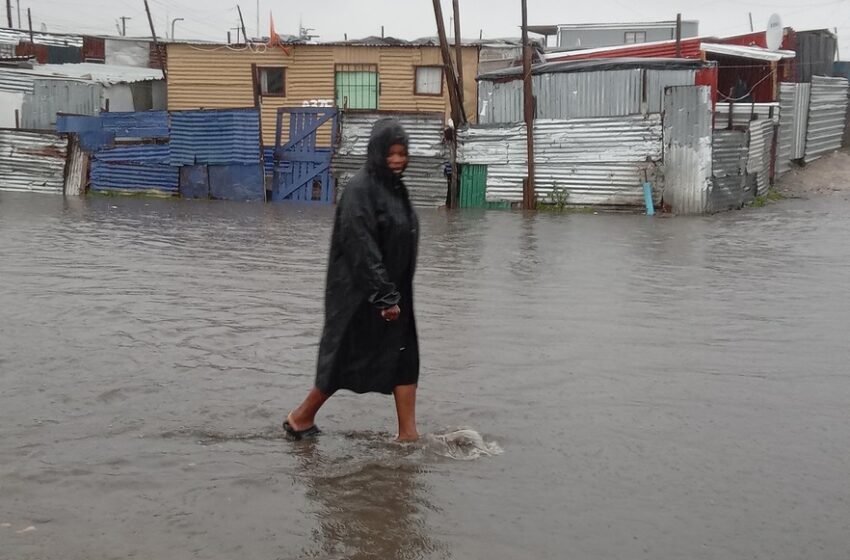
Weekend weather in South Africa: Cold mornings, mild sunshine ahead. Photo: Sandiso Phaliso
Tropical Storm Gezani is a developing weather system currently active over the southwestern Indian Ocean, east of Madagascar. The storm has drawn increased attention across southern Africa as meteorologists assess its strength, movement, and possible regional impacts. According to the South African Weather Service (SAWS), Gezani is being closely monitored, but there is no direct threat to South Africa at this stage.
A tropical storm is a low-pressure system that forms over warm ocean waters and is characterised by organised thunderstorms, persistent rainfall, and strong winds. These systems typically develop during the Indian Ocean cyclone season, which runs from November to April. When wind speeds intensify beyond certain thresholds, tropical storms can strengthen into tropical cyclones, capable of causing widespread damage through flooding, storm surges, and destructive winds.
Gezani is currently moving westward in conditions that may support further intensification. Forecast models suggest the storm is likely to make landfall over eastern Madagascar, where it could strengthen into a tropical cyclone or even an intense tropical cyclone before reaching the coast. Once over land, the storm is expected to weaken due to friction and interaction with Madagascar’s terrain, though heavy rainfall and strong winds could still pose serious risks to communities on the island.
After crossing Madagascar, Gezani is forecast to enter the Mozambique Channel later in the week. This phase of the storm’s development is being watched particularly closely by forecasters. The warm waters of the Mozambique Channel have historically allowed weakened systems to regain strength, raising the possibility that Gezani could re-intensify. While some forecast scenarios suggest the storm may drift closer to Mozambique’s coastline, SAWS has cautioned that there is still considerable uncertainty about its exact track and strength beyond this point.
For South Africa, the immediate concern is not landfall but indirect impacts. SAWS has emphasised that Gezani does not currently pose a direct danger to the country. However, distant tropical systems can still influence regional weather patterns. These effects may include rougher seas along the eastern and southeastern coastline, increased wave heights, and unstable weather conditions in parts of the country, particularly along the coast.
Marine conditions are of particular concern. SAWS has advised vessels operating in the southwestern Indian Ocean and the Mozambique Channel to exercise extreme caution. Strong winds, large swells, and hazardous sea conditions are expected near the storm, posing risks to shipping routes, fishing operations, and offshore activities. Coastal communities and recreational ocean users are also urged to remain vigilant.
Staying safe during the cyclone season starts with staying informed. South Africans are advised to follow regular updates from SAWS through official channels, including weather bulletins, radio broadcasts, and trusted news platforms. Weather systems such as Gezani can change rapidly, and early warnings are essential for preparedness and risk reduction.
Residents should also take basic precautions in anticipation of storm-related weather. Heavy rain can lead to localised flooding, so it is important to avoid travelling through flooded roads and low-lying areas. Homeowners are encouraged to secure loose outdoor items, clear drainage systems, and ensure they have access to essential supplies such as torches, batteries, and emergency contact information in case of power outages or severe weather.
For those living near the coast, extra care is advised. Swimming, fishing, and boating should be avoided when rough seas are forecast, and small craft operators should remain in port until conditions improve. Even when storms are offshore, powerful waves and unpredictable currents can present life-threatening dangers.
Gezani is the seventh named system of the 2025/26 southwest Indian Ocean cyclone season, a reminder that the region remains vulnerable to tropical weather during this period. While South Africa is not currently in the storm’s direct path, the situation highlights the importance of preparedness, timely information, and public awareness.
As SAWS continues to monitor Tropical Storm Gezani, South Africans are urged to remain calm, informed, and alert. Being proactive and weather-aware remains the best defence against the unpredictable nature of tropical systems.
Frequently Asked Questions (FAQ)
What is Tropical Storm Gezani?
Tropical Storm Gezani is a developing weather system over the southwestern Indian Ocean that has the potential to strengthen as it moves westward toward Madagascar.
Where is Tropical Storm Gezani currently located?
The storm is positioned east of Madagascar over the Indian Ocean and is being closely monitored by the South African Weather Service.
Is Tropical Storm Gezani expected to hit South Africa?
According to SAWS, Gezani does not pose a direct threat to South Africa at this time, though indirect effects such as rough seas are possible.
Could Gezani become a tropical cyclone?
Yes. Forecasts indicate that favourable conditions may allow Gezani to intensify into a tropical cyclone before making landfall in Madagascar.
What happens after Gezani reaches Madagascar?
The storm is expected to weaken as it moves across Madagascar, but it could regain strength if it enters the warm waters of the Mozambique Channel.
What risks does Gezani pose to South Africans?
The main risks are indirect and include rough seas, higher wave activity along the coast, and potentially unstable weather conditions in eastern regions.
Who should be most cautious right now?
Marine operators, fishermen, coastal communities, and offshore vessels operating in the Indian Ocean and Mozambique Channel should exercise caution.
How can South Africans stay safe during this period?
Residents are advised to monitor SAWS updates, avoid rough seas, prepare for heavy rain, and take basic storm-readiness precautions at home.
Why is Gezani significant this season?
Gezani is the seventh named system of the 2025/26 southwest Indian Ocean cyclone season, highlighting increased tropical activity in the region.