

Tinubu approves ₦3.3tn power debt plan: Will Nigerians finally get more stable electricity?

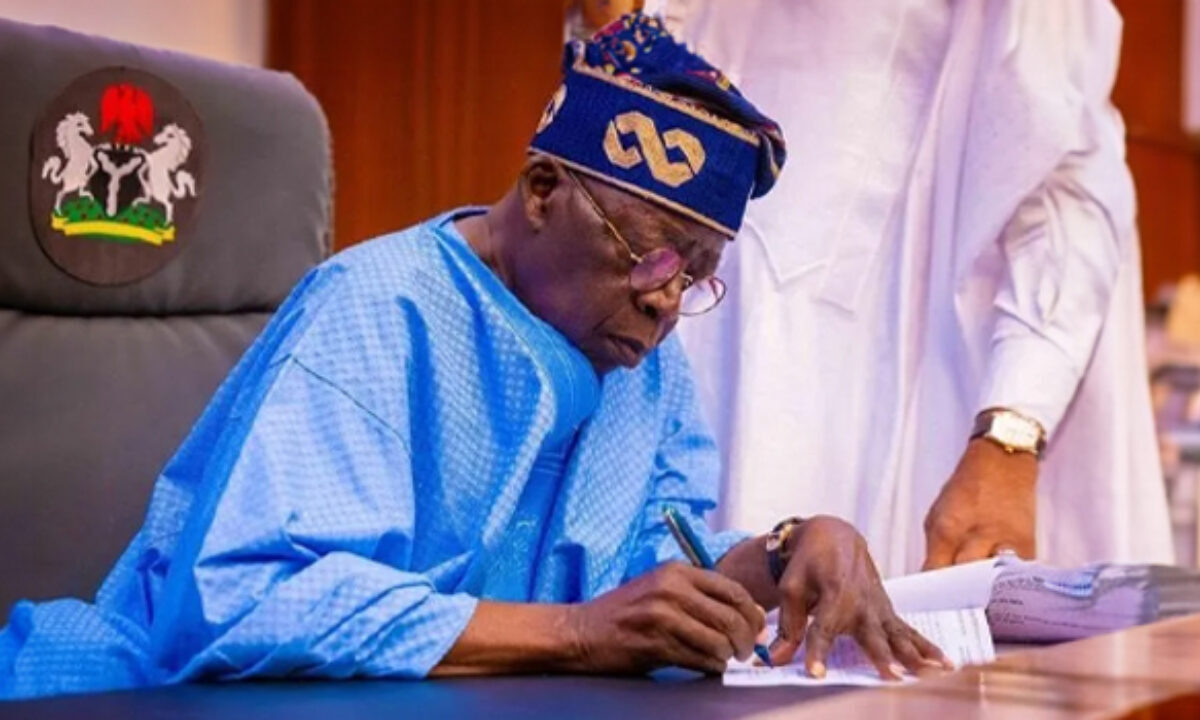
Tinubu approves ₦3.3tn debt plan to stabilise Nigeria’s electricity sector
President Bola Ahmed Tinubu has approved a ₦3.3 trillion electricity debt settlement plan aimed at clearing long-standing liabilities in Nigeria’s power sector, a move the presidency says could help stabilise power generation, restore investor confidence, and improve electricity supply to homes and businesses.
The announcement comes at a critical time for Nigeria’s struggling electricity market, where years of unpaid obligations to power generation companies (GenCos) and gas suppliers have deepened blackouts, weakened infrastructure, and raised fears of worsening grid instability. Under the new plan, the Federal Government will settle legacy debts accumulated between February 2015 and March 2025 under the Presidential Power Sector Financial Reforms Programme, with officials describing the intervention as a “full and final settlement.”
For millions of Nigerians asking “Will this finally improve electricity supply?” the answer is more complex than a simple yes. While the move is being welcomed as a major financial reset, experts say its success will depend on whether deeper structural reforms, including metering, tariff enforcement, transmission upgrades, and distribution efficiency, actually follow.
Tinubu’s ₦3.3tn Electricity Debt Plan: What Exactly Was Approved?
According to the presidency, Tinubu approved a ₦3.3 trillion payment plan to clear verified legacy debts owed across the power value chain. These debts built up over a decade and were linked to the government’s inability to fully settle market obligations after the 2013 privatisation of the electricity sector. After a final reconciliation exercise, the government said the amount was agreed as a “full and final settlement.”
Implementation has already started. The government says 15 power plants have signed settlement agreements worth ₦2.3 trillion, while ₦501 billion has been raised to kick-start payments. Out of that amount, ₦223 billion has already been disbursed, with more payments expected. Tinubu also confirmed that a second phase of the programme will begin later this quarter.
This is one of the biggest financial interventions in Nigeria’s power sector in recent years and is being framed as a key step toward reducing the liquidity crisis that has crippled electricity generation.
Why Nigeria’s Power Sector Owes So Much Money
Nigeria’s electricity debt crisis is rooted in structural problems that have lingered since the sector’s privatisation. In theory, power generation companies produce electricity, which is purchased by the Nigerian Bulk Electricity Trading Plc (NBET) and then sold to distribution companies (DisCos). But in practise, the system has been plagued by poor metering, energy theft, weak revenue collection, and tariffs that often do not fully reflect the real cost of supplying electricity.
Because many DisCos recover only part of the money they bill, and because the government has often kept tariffs below cost for political and social reasons, large payment gaps emerged. Those shortfalls then flowed upstream, leaving GenCos unpaid, gas suppliers underfunded, and maintenance and generation capacity under pressure.
The presidency says the Tinubu administration wants this payment plan to break that cycle by restoring cash flow and confidence across the entire electricity market.
What Tinubu’s Electricity Debt Plan Means for Nigerians
For ordinary Nigerians, the biggest question is straightforward: Will this mean fewer blackouts?
The presidency says yes, eventually. According to the official statement, as money reaches the power value chain, generation should become more stable, power plants should be better supported, and electricity reliability should improve. The government also argues that a more stable sector could attract more investment, support businesses, and create jobs.
In practical terms, here’s what the plan could mean:
- More stable power generation: If GenCos receive long-overdue payments, they may be able to maintain equipment better and operate plants more consistently.
- Improved gas supply to thermal plants: Many Nigerian power plants depend on gas. If gas suppliers are paid more reliably, fuel supply disruptions may reduce.
- Potentially fewer outages: Better cash flow can improve generation stability, though this does not automatically solve transmission or distribution failures.
- Boost for businesses and SMEs: More reliable electricity can lower generator dependence and reduce operating costs over time.
- Possible tariff pressure in the long term: Since the government is also linking reforms to service-based tariffs and better metering, some consumers may eventually face pricing adjustments tied to supply quality.
That said, Nigerians should not expect an overnight transformation. Electricity supply depends not only on generation, but also on transmission capacity, grid stability, and how effectively DisCos distribute and collect revenue.
READ ALSO
Why This May Not Immediately End Nigeria’s Electricity Problems
Even with a ₦3.3 trillion intervention, Nigeria’s power crisis remains deeply structural.
The country’s installed generation capacity is far above what is typically delivered to the grid, but actual daily generation often remains far below national demand due to gas constraints, plant downtime, transmission bottlenecks, and distribution losses. Frequent grid collapses and weak distribution networks still limit what consumers receive, even when power is generated.
In short, paying old debts can help stabilise the sector, but it cannot single-handedly fix Nigeria’s electricity crisis.
For the plan to truly benefit Nigerians, it must be followed by:
- aggressive metering expansion
- stronger DisCo performance enforcement
- improved transmission infrastructure
- better tariff transparency
- sustained market discipline so new debts do not pile up again
This is why the presidency has tied the debt plan to broader reforms, including better metering and service-based tariffs that match billing with supply quality.
Why the Tinubu Electricity Debt Settlement Matters Beyond Electricity Bills
Beyond households, the power debt plan matters because electricity remains one of Nigeria’s biggest economic bottlenecks. Businesses spend heavily on diesel and petrol generators, manufacturers face high production costs, and small enterprises lose revenue during outages. Any genuine improvement in grid reliability could reduce business costs, ease inflationary pressure in some sectors, and improve productivity.
Special Adviser on Energy Olu Arowolo-Verheijen said the initiative is not just about debt repayment but about “restoring confidence across the power sector” so that gas suppliers get paid, plants keep running, and the system becomes more reliable. She also said the government is prioritising power access for businesses and industries because reliable electricity is essential for jobs and growth.
That framing suggests the administration sees the bailout not just as a rescue package, but as a foundation for a broader energy reform agenda.
Will Nigerians Get Better Electricity After Tinubu’s ₦3.3tn Plan?
The ₦3.3 trillion power debt plan is one of the clearest signs yet that the Federal Government is trying to tackle the liquidity crisis at the heart of Nigeria’s electricity market. It could help power plants stay operational, improve gas supply, and reduce some pressure on generation in the short to medium term.
But for Nigerians hoping for steady light, the reality is this: the debt payment is a major first step, not a final solution.
If the government follows through with metering, transmission upgrades, distribution reform, and better market discipline, this could become a turning point. If not, the sector risks slipping back into the same cycle of debt, outages, and frustration.
For now, the key takeaway is simple: Tinubu’s power debt plan could improve electricity reliability, but only if the broader reforms work.
FAQ: Tinubu Approves Electricity Debt Plan, What Nigerians Need to Know
1. What did Tinubu approve in the power sector?
President Bola Tinubu approved a ₦3.3 trillion payment plan to settle long-standing legacy debts in Nigeria’s power sector. The debts were accumulated between February 2015 and March 2025 under the Presidential Power Sector Financial Reforms Programme.
2. How much is Tinubu paying to clear Nigeria’s electricity debt?
The approved amount is ₦3.3 trillion, which the presidency described as a full and final settlement of verified legacy debts owed in the power value chain.
3. Who is being paid under Tinubu’s ₦3.3tn electricity debt plan?
The payments are mainly targeted at power generation companies (GenCos) and indirectly the broader electricity value chain, including gas suppliers, who have been affected by long-standing payment shortfalls.
4. Why does Nigeria owe GenCos and gas suppliers so much money?
Nigeria’s power sector debt is linked to poor revenue collection, under-metering, energy theft, weak DisCo remittances, and tariffs that often do not fully cover the cost of generation and supply. This created a long-running funding gap that piled up over the years.
5. Will Tinubu’s power debt plan improve electricity supply in Nigeria?
It could improve electricity supply, but not instantly. The plan may stabilise power generation by helping GenCos maintain operations and ensuring gas suppliers are paid. However, electricity supply also depends on transmission, grid stability, and distribution performance.
6. Will Nigerians start enjoying steady electricity immediately?
Not immediately. The debt plan may help reduce some pressure on generation, but Nigeria’s electricity crisis is also caused by weak transmission infrastructure, distribution losses, grid collapses, and metering gaps.
7. How much has the Federal Government already paid?
According to the presidency, the government has raised ₦501 billion, and ₦223 billion has already been disbursed, with further payments underway.
8. How many power plants have signed on to the deal?
The government says 15 power plants have already signed settlement agreements covering ₦2.3 trillion.
9. Will electricity tariffs increase because of Tinubu’s power sector reforms?
There is no direct announcement that this debt plan will immediately increase tariffs. However, the presidency has linked broader reforms to service-based tariffs and better metering, which means future pricing could increasingly reflect service quality and cost recovery.
10. What is the Presidential Power Sector Financial Reforms Programme?
It is the framework under which the government reviewed and reconciled long-standing obligations in the power sector. The Tinubu administration used it to verify debts and design the current ₦3.3 trillion settlement plan.
11. Why is Nigeria’s power sector always in crisis?
Nigeria’s electricity sector struggles because of a combination of:
- underinvestment
- poor metering
- high losses in distribution
- non-cost-reflective tariffs
- energy theft
- weak collections by DisCos
- gas supply disruptions
- transmission bottlenecks
- frequent grid instability
12. Is Tinubu’s ₦3.3tn plan enough to fix Nigeria’s power problem?
No, not by itself. It can improve liquidity and restore confidence, but Nigeria still needs metering reforms, transmission expansion, stronger DisCo accountability, and consistent market discipline to achieve lasting electricity stability.
13. What does Tinubu’s electricity debt plan mean for businesses?
If it works as intended, businesses may benefit from:
- fewer outages
- reduced dependence on generators
- lower fuel costs over time
- better productivity
- improved planning and operations
14. What happens next after the ₦3.3tn power debt settlement?
The presidency says a second phase (Series II) of the programme will begin later this quarter. This suggests more reforms and additional implementation steps are expected.
15. Is Tinubu’s power debt plan good news for Nigerians?
It is potentially positive news, especially for power generation stability and investor confidence. But Nigerians will judge it by one thing: whether electricity supply actually improves in the coming months.