

Tiger Woods cannot drive for five years, but does the Florida ban follow him everywhere?

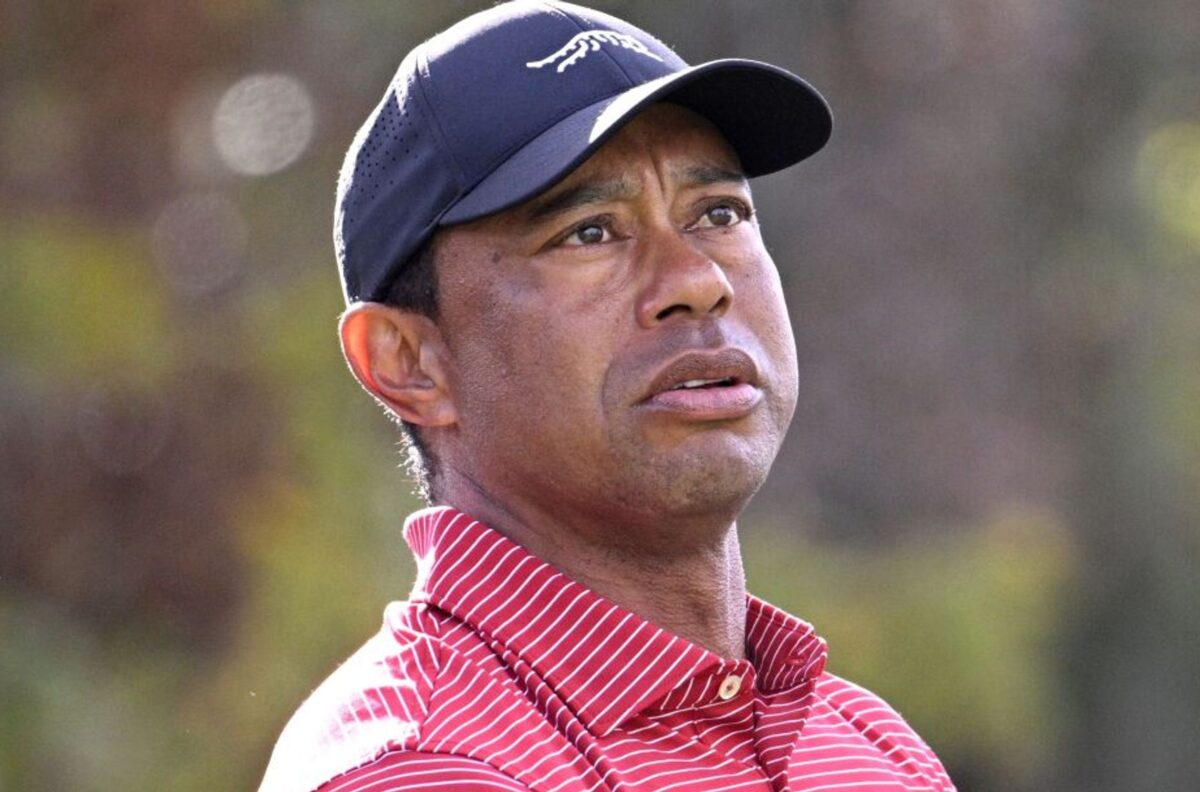
Tiger Woods
Tiger Woods’ five-year driving ban has raised a question that goes beyond the Florida courtroom where his legal case was resolved: does the suspension mean the golf legend is unable to drive anywhere in the world?
The 50-year-old golfer agreed to a plea deal in Martin County, Florida, over a reckless driving charge connected to a rollover crash earlier this year. Under the reported agreement, Woods accepted a five-year suspension of his driving licence and a $1,000 fine.
The immediate consequence appears straightforward. Woods cannot legally get behind the wheel under the terms of the suspension. The bigger question, however, is how far that restriction extends beyond Florida.
For an athlete whose professional and business life involves frequent travel, the practical implications of losing driving privileges could stretch well beyond simply handing over car keys.
Tiger Woods’ Five-Year Driving Ban Explained
The legal case followed a March crash in Florida in which Woods’ vehicle reportedly clipped a truck before rolling over.
No one was injured in the incident, but Woods was forced to exit the vehicle through the passenger side.
Police body-camera footage later released showed Woods speaking with officers following the crash. Woods reportedly told officers that he had looked down at his phone shortly before the accident.
Authorities said he passed a breathalyser test but declined further testing for other substances. Officers reportedly suspected that his normal faculties were impaired by an unknown substance.
Woods initially faced allegations including driving under the influence and refusal to submit to testing. The case was later resolved through a plea agreement, with Woods pleading no contest to reckless driving.
The agreement included a five-year suspension of his driving licence, making the restriction one of the most significant consequences of the case.
Does Tiger Woods’ Driving Ban Apply Outside Florida?
A driving licence suspension issued in Florida does not automatically mean that a person has been handed a universal ban from driving in every country.
That distinction is important.
Woods’ confirmed legal restriction is tied to the United States and the Florida case. However, driving privileges across jurisdictions can become complicated when a driver’s licence has been suspended or revoked.
US states have different licensing systems, while foreign countries also have their own rules governing whether visitors can drive using foreign or international driving permits.
A person whose primary licence has been suspended may face additional restrictions when attempting to drive elsewhere, depending on local laws and whether authorities recognise the suspension.
For Woods, this means the headline that he is “banned from driving for five years” should not automatically be interpreted as a worldwide prohibition without examining the specific legal and licensing rules involved.
Can Tiger Woods Still Travel Outside the United States?
Yes, a driving ban and a travel ban are not the same thing.
The reported suspension concerns Woods’ ability to legally operate a motor vehicle. It does not, by itself, mean that he cannot leave Florida, travel across the United States or fly to another country.
Woods can still attend golf tournaments, business meetings, promotional appearances and personal events, subject to any other legal requirements that may apply to him.
The practical difference is transportation.
Instead of driving himself, Woods may need to rely on professional drivers, private transportation, family members, team members or other licensed drivers.
Given Woods’ international profile and financial resources, transportation is unlikely to prevent him from travelling. Still, losing the ability to drive independently for five years could significantly alter his daily routine.
READ ALSO
Can Tiger Woods Own a Car During the Suspension?
A driving suspension generally concerns a person’s legal privilege to operate a vehicle rather than their ability to own one.
That means a person can potentially own a car without being legally permitted to drive it.
However, ownership and driving are separate legal issues. Insurance arrangements, vehicle registration and allowing other people to operate a vehicle can involve different requirements.
For Woods, the most immediate restriction is not whether he can possess vehicles but whether he can personally and legally drive them while the suspension remains in effect.
What Happens If Tiger Woods Drives While Suspended?
Driving while a licence is suspended can lead to additional legal consequences.
The exact penalties can depend on the jurisdiction, the reason for the suspension and the circumstances of any new offence.
Potential consequences may include additional fines, further licence restrictions and criminal charges.
That makes compliance with a lengthy suspension particularly important, especially for a high-profile figure whose movements are frequently documented by the public and media.
How Could the Ban Affect Tiger Woods’ Golf Career?
Tiger Woods’ professional life requires extensive movement, from golf courses and training facilities to airports, business events and media appearances.
A five-year driving restriction does not prevent him from playing golf.
It could, however, change how he manages his daily schedule.
Tournament organisers and professional athletes often rely on drivers and team transportation, meaning Woods is unlikely to face the same logistical problems as an ordinary commuter who loses access to a personal vehicle.
Yet the restriction could still affect personal independence.
For a golfer accustomed to travelling extensively throughout his career, being unable to drive himself could become a noticeable change away from tournament competition.
The Bigger Question Behind Tiger Woods’ Driving Ban
The Woods case has attracted attention because of his global fame, but it also highlights a broader misunderstanding surrounding driving suspensions.
When people hear that someone has been banned from driving, they often assume the person is automatically prohibited from operating a vehicle anywhere in the world.
The reality can be more complicated.
Licence suspensions are governed by specific laws, jurisdictions and agreements between authorities. The effect of a Florida suspension outside Florida, or outside the United States, can depend on where a person intends to drive and what licensing documents they hold.
For now, the central fact remains clear: Tiger Woods has lost his driving privileges under the five-year suspension connected to his Florida plea deal.
Whether the restriction follows him beyond Florida is a more complicated legal question, and one that depends on where he intends to get behind the wheel.
Frequently Asked Questions About Tiger Woods’ Driving Ban
Is Tiger Woods banned from driving for five years?
Yes. Under the reported plea agreement in Florida, Tiger Woods accepted a five-year suspension of his driving licence.
Can Tiger Woods drive outside Florida?
A Florida licence suspension does not automatically mean a worldwide driving ban. The legality of driving elsewhere can depend on local laws and the recognition of licence suspensions.
Can Tiger Woods travel during his driving ban?
Yes. A driving suspension is different from a travel ban. Woods can still travel but may need to rely on other forms of transportation.
Can Tiger Woods still play golf?
Yes. The driving suspension does not prevent Woods from playing golf or competing in tournaments.
Can Tiger Woods own a car while his licence is suspended?
Vehicle ownership and driving privileges are generally separate issues. A licence suspension primarily affects the legal ability to operate a vehicle.
What happens if someone drives with a suspended licence?
The consequences depend on the jurisdiction and circumstances but can include additional fines, criminal penalties and further driving restrictions.