

The rise of deepfakes and the fight for truth

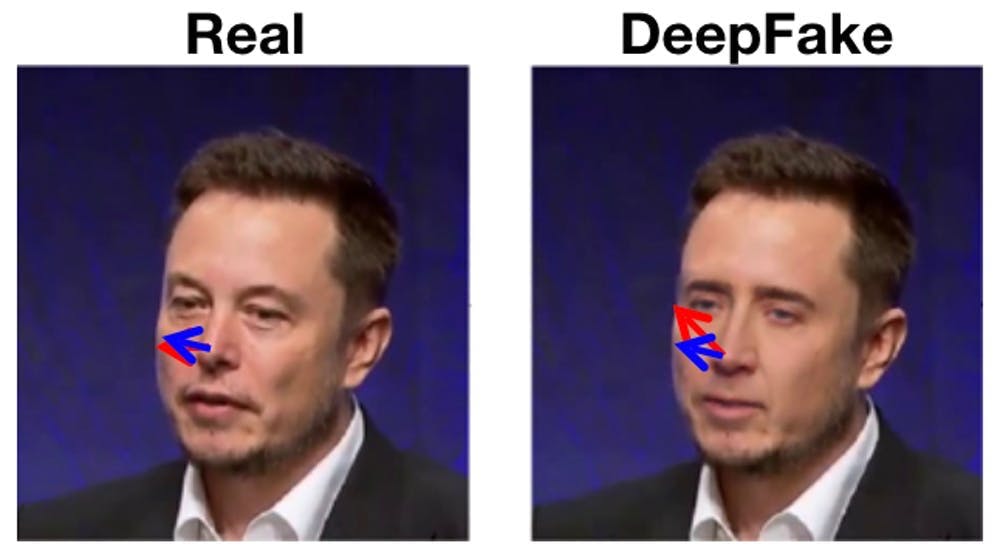
In an era where seeing was once believed to be proof, the digital world has introduced a new confusion. What if our eyes can no longer be trusted? Deepfakes are highly realistic but artificially generated images, videos, or audio recordings that are rapidly reshaping the information landscape, blurring the line between reality and fabrication. As social media platforms become flooded with manipulated content, societies across the globe are confronting a pressing question: how do we protect the truth when falsehood can look this real?
Deepfake technology is powered by advanced artificial intelligence capable of mimicking voices, facial expressions, and mannerisms with startling accuracy. What began as an experimental tool in tech labs has now evolved into a widely accessible instrument, available through apps and software that require little technical expertise. This accessibility has fueled an explosion of synthetic media online, making misinformation faster and more convincing than ever before.
Similarly, a wave of AI-generated celebrity clips has recently trended across platforms such as TikTok. Some featured well-known public figures appearing to endorse products they had never heard of, while others showed them in fabricated interviews. Though some viewers recognized these videos as parody, many did not, raising ethical questions about consent, reputation, and digital identity.
Perhaps more alarming is the rise of deepfake scams. Financial fraudsters have begun using cloned voices to impersonate company executives or family members, convincing victims to transfer large sums of money. In one widely discussed case that circulated on professional networking platforms, an employee reportedly authorized a major payment after joining what appeared to be a legitimate video call with senior management only to later discover that every participant except him was AI-generated. Such incidents demonstrate that deepfakes are no longer merely tools for internet mischief; they have become instruments of organized deception.
The implications extend beyond politics and finance. Deepfakes threaten journalism itself, a profession anchored on verification and credibility. Newsrooms now face the additional burden of authenticating user-generated content before publication, a task that grows more complex as synthetic media improves. A single viral fake can undermine public trust not only in the media but also in genuine evidence.
Experts warn that the psychological impact may be even more dangerous than the technology itself. When people become aware that videos can be fabricated, they may begin to doubt authentic footage, a phenomenon scholars refer to as the “liar’s dividend.” In such a climate, wrongdoers can dismiss real evidence as fake, which can erode accountability.
Yet the fight for truth is gaining momentum. Technology companies are investing in detection tools that analyze inconsistencies in pixels, lighting, and audio patterns to identify manipulated content. Some platforms have begun labeling AI-generated media, while others are developing watermark systems that embed traceable markers into synthetic files.
Governments too, are stepping into the arena. Several countries are proposing or implementing regulations that criminalize malicious deepfake distribution, particularly during elections.
Media literacy has emerged as another critical defense. Educators and communication experts increasingly stress the importance of teaching users how to question what they see online. Simple habits such as verifying sources, cross-checking stories, and pausing before sharing, can significantly reduce the spread of deceptive content.
Ironically, the same artificial intelligence enabling deepfakes may also help defeat them. Researchers are building AI systems trained specifically to detect synthetic media, setting up what many describe as a technological arms race between creators of deception and defenders of authenticity.
Still, the responsibility does not lie with technology alone. Social media users play a pivotal role in shaping the information ecosystem. Every share, repost, and comment has the power either to amplify falsehood or reinforce truth.
As the digital age advances, the question is no longer whether deepfakes will persist, but whether societies can adapt quickly enough to preserve credibility in a world where reality itself can be manufactured.