

The Internet and the growing threat to young women

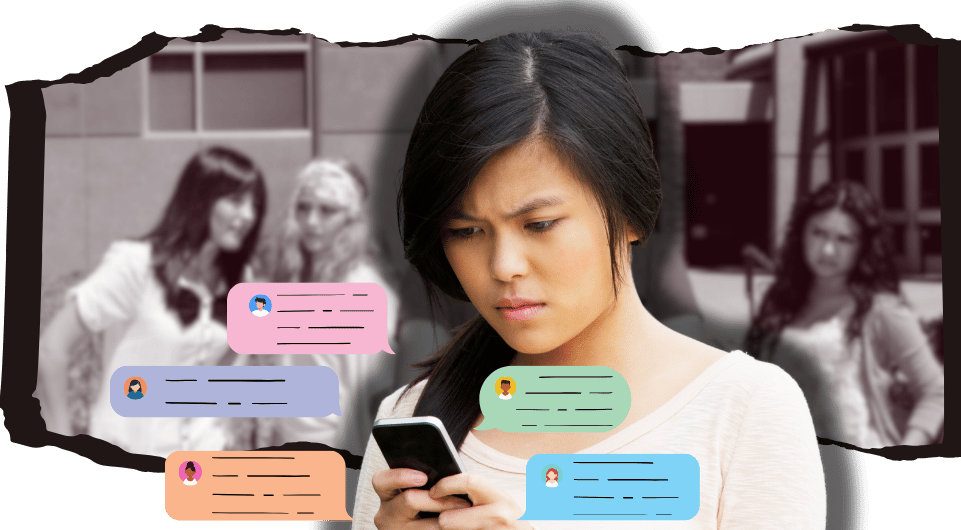
A phone buzzes. A notification lights up the screen. It is not a greeting. Not an opportunity. Instead, it is an unsolicited image or a stream of abusive words. For many young women, this moment has become disturbingly routine. What was once celebrated as a tool to connect the world is increasingly experienced as a space of fear, harassment, and exploitation.
The internet is a vast global network, designed to bring people closer by making communication, information sharing, and collaboration faster and more accessible. It revolutionised outdated systems of research and interaction, becoming the most influential medium of connection in modern society. Yet alongside its undeniable benefits lies a growing and troubling reality—one that disproportionately affects young women.
While the internet offers endless opportunities for learning, creativity, and connection, it has also become a breeding ground for harmful content. Users upload material without regard for who might be watching, while the relentless pursuit of money, popularity, and attention drives some content creators to exploit the platform’s reach. This misuse has profound consequences, particularly for the younger generation, shaping behaviour, distorting values, and weakening moral judgement.
Young women remain among the most vulnerable groups online. Daily, many are subjected to harassment, unwanted messages, unsolicited calls, and explicit images—often from male users who engage in sexually provocative or predatory behaviour. For some, logging on means bracing themselves for abuse rather than connection.
An international survey involving more than 14,000 young women found that 58 per cent had experienced some form of online harassment, including cyberbullying and abusive language. This figure highlights a stark reality: women face a significantly higher risk of online abuse and digital threats than their male counterparts.
Although the internet can empower young women by expanding access to education, information, and economic opportunities, it also exposes them to gender-based violence, intimidation, and sustained harassment. Repeated encounters with degrading posts and abusive comments can erode emotional wellbeing, distort self-worth, and, in extreme cases, pressure young girls into actions they did not freely choose. Over time, some begin to internalise abuse as an unavoidable price of participating in digital spaces.
Despite these dangers, many young girls remain deeply immersed in online trends and viral challenges. Some of these trends reward indecent exposure and risky behaviour with likes, views, and fleeting validation. In the race for visibility, dignity is often sacrificed.
In a post on X (formerly Twitter), a young woman publicly condemned such challenges, expressing concern over how some girls are pressured to strip themselves of self-respect simply to be seen as “hot” or relevant. On platforms like TikTok, videos of girls dancing half-naked—or entirely naked—to viral sounds circulate widely, reinforcing harmful norms and influencing younger viewers to believe such behaviour is normal or even expected on social media.
Similar concerns echo on Facebook, where many young women report receiving unsolicited nude images from men seeking sexual reactions rather than meaningful connection. When ignored or rejected, these individuals often respond with insults, harassment, and character assassination—revealing a troubling culture of entitlement and hostility.
In the quest for acceptance, some girls are drawn into online subcultures that promote unconventional identities or behaviours, such as the so-called “tomboy” trend. While self-expression is a fundamental right, the pressure to adopt certain personas for digital approval can leave others feeling inadequate or invisible. As these trends gain traction, many young women feel compelled to imitate them, often at the cost of their confidence and sense of identity.
The internet, now central to youth development, carries serious risks that cannot be ignored. Young women must be equipped with the knowledge and tools to protect themselves from cyberbullying, online predators, cyber kidnapping, and sextortion.
Predators—including paedophiles, traffickers, and cybercriminals—frequently use fake profiles and manipulation to lure unsuspecting girls. Cyberbullying manifests through harassment, defamation, and blackmail, sometimes using private images shared in trust. Victims often feel trapped, ashamed, and emotionally overwhelmed.
Sextortion is among the most dangerous of these threats. It involves coercing victims through explicit images, using fear and shame as weapons. The psychological impact can be devastating, leaving long-lasting emotional scars.
Yet there are practical steps that can significantly reduce online risk. Limiting time spent online lowers exposure to harmful content. Blocking and reporting suspicious or abusive accounts—regardless of who they belong to—is essential.
Young girls should never feel pressured to share explicit images and should be encouraged to speak openly with trusted parents, guardians, or mentors when faced with uncomfortable or threatening situations. Digital literacy, awareness, and open communication remain some of the strongest defences against online abuse.
As young minds continue to explore the internet for learning, connection, and self-expression, safety and self-respect must come first. The digital world should be a place of empowerment—not exploitation. For young women, the promise of the internet must be reclaimed, protected, and made safe.