

Why is Ted Cruz supporting Trump’s Greenland acquisition? What to know as the plan sparks NATO tensions and political backlash

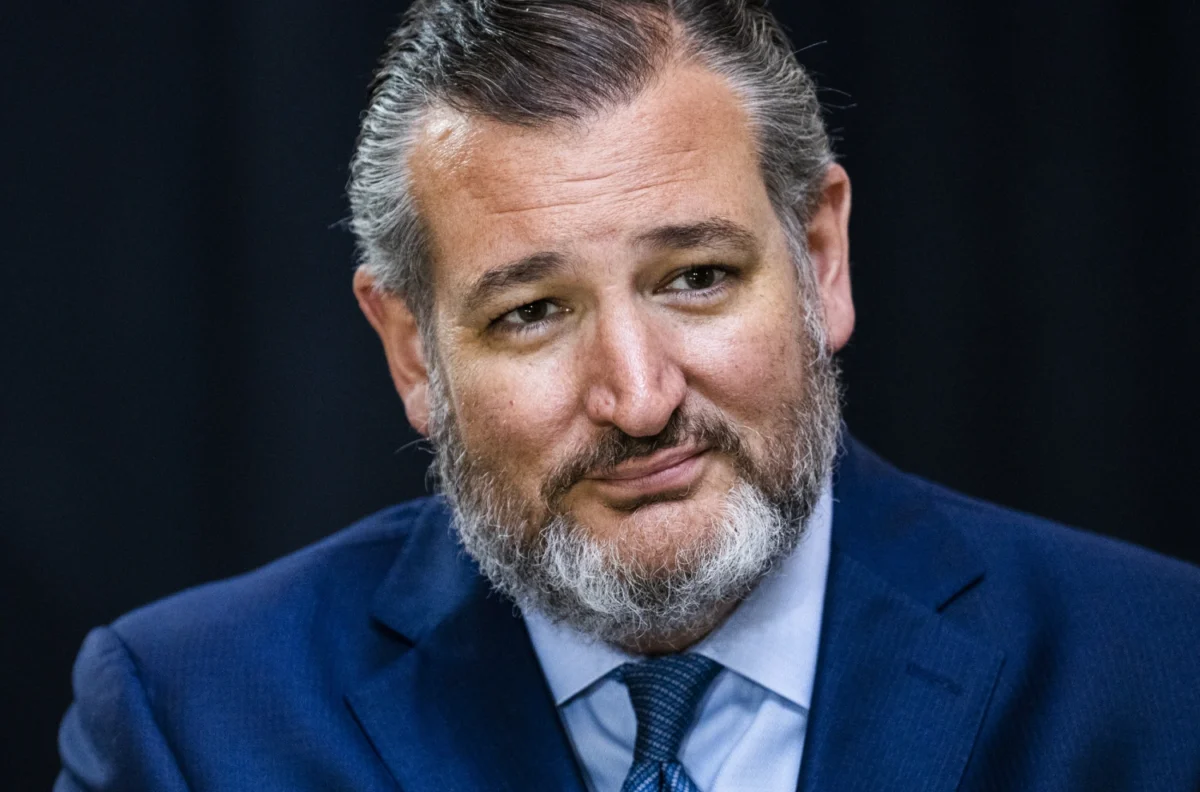
Sen. Ted Cruz, R-Texas, at the Capitol. Image Credit: Tom Williams/CQ-Roll Call via AP file
Senator Ted Cruz has intensified the debate over U.S. foreign policy and territorial expansion after publicly endorsing President Donald Trump’s renewed push to acquire Greenland, calling the move “overwhelmingly in America’s national interest.” The remarks, delivered during a Fox News interview and amplified on social media, have placed Greenland back at the center of geopolitical tensions involving NATO allies, Arctic security, and global economic competition.
Cruz’s comments come as the Trump administration escalates its rhetoric, and economic pressure, on European nations that oppose any transfer of the semi-autonomous Arctic territory from Denmark to the United States.
Cruz Says U.S. Expansion Has Historical Precedent
In defending the proposal, Cruz leaned heavily on American history, arguing that territorial acquisition has long been central to the country’s growth and security.
“The whole history of America has been a history of acquiring new lands and new territories,” Cruz said, pointing to the Louisiana Purchase and the U.S. acquisition of Alaska from Russia, once derided as “Seward’s Folly,” but now considered strategically indispensable.
Cruz framed Greenland as a similar opportunity, suggesting that what appears controversial today could prove consequential in hindsight.
Rare Earth Minerals and Arctic Military Strategy
A key pillar of Cruz’s argument is Greenland’s vast reserve of rare earth and critical minerals, which are increasingly vital for advanced technologies, renewable energy systems, and military hardware. Cruz said acquiring Greenland could deliver “enormous economic benefits” while reducing U.S. reliance on foreign, particularly Chinese, supply chains.
Beyond economics, Cruz emphasized Greenland’s strategic Arctic location, describing the region as a growing theater for potential military conflict involving Russia and China. He argued that the island could play a crucial role in missile defense systems, early-warning infrastructure, and broader U.S. national security planning.
READ ALSO
“Trade war helps no one”: Keir Starmer rejects Trump Tariffs as Greenland tensions escalate
Political Backlash From Both Parties
Cruz’s stance has drawn swift criticism across the political spectrum. Senator Mark Kelly (D-Ariz.) warned that talk of “taking over Greenland” risks destabilizing long-standing alliances, particularly NATO.
Former national security adviser John Bolton dismissed the Greenland effort entirely, arguing that it reflects personal ambition rather than legitimate national security needs. Senator Bernie Sanders mocked the idea by suggesting that if the U.S. acquired Greenland, Americans should receive Denmark-style social benefits, including universal healthcare and paid parental leave.
Even within Republican ranks, skepticism has emerged. Representative Michael McCaul (R-Texas) warned that a military takeover would amount to war with NATO and noted that Denmark has shown no willingness to sell the territory.
Trump’s Tariffs and Rising NATO Strain
President Trump has tied the Greenland push to economic pressure, announcing tariffs of up to 25% on eight European nations that back Denmark’s refusal to sell the island. Those tariffs, set to increase by June 2026, have further strained U.S.-European relations.
Greenland’s Prime Minister, Jens-Frederik Nielsen, has reiterated that the territory prefers its current relationship with Denmark, rejecting U.S. overtures outright.
Former Vice President Mike Pence has defended Trump’s interest in Greenland on national security grounds but urged diplomacy over unilateral action, warning of long-term alliance damage.
Greenland as a Flashpoint in Trump’s Second Term
Cruz’s endorsement underscores how Greenland has become a symbolic and strategic flashpoint in Trump’s second term, blending America First ideology, Arctic geopolitics, and a willingness to challenge post–World War II alliances.
While Cruz praised Trump’s “single-minded focus” on U.S. interests, critics argue the approach risks isolating America on the global stage. As debate intensifies, Greenland remains less a transaction than a test of how far the U.S. is willing to go to reshape the international order.
FAQ
Why does Ted Cruz support acquiring Greenland?
Ted Cruz argues that Greenland is strategically vital due to its Arctic location, rare earth mineral reserves, and importance for missile defense and national security amid rising competition with Russia and China.
Is the U.S. legally able to acquire Greenland?
Any acquisition would require Denmark’s consent, which Danish and Greenlandic leaders have firmly rejected. Military action would likely violate international law and NATO agreements.
What role does President Trump play in the Greenland proposal?
President Trump has led the renewed push, framing Greenland as essential for U.S. security and economic interests. His administration has used tariffs and diplomatic pressure to support the effort.
How have U.S. allies responded to the idea?
European nations and NATO allies have strongly opposed the proposal, warning it could undermine alliances and destabilize international relations.
Why is Greenland important strategically?
Greenland sits in a critical Arctic corridor, offers access to missile detection routes, and contains minerals essential for advanced technology and defense systems.
Could acquiring Greenland harm NATO?
Yes. Several lawmakers warn that unilateral action or military force would severely damage NATO unity and could trigger diplomatic or military conflict.
Has the U.S. acquired territory before?
Yes. Historical examples include the Louisiana Purchase and the acquisition of Alaska, both cited by Cruz as precedents for strategic expansion.