

Tax Preparer scams explode in 2026: Fake IRS calls, phony tax help and how to avoid costly mistakes

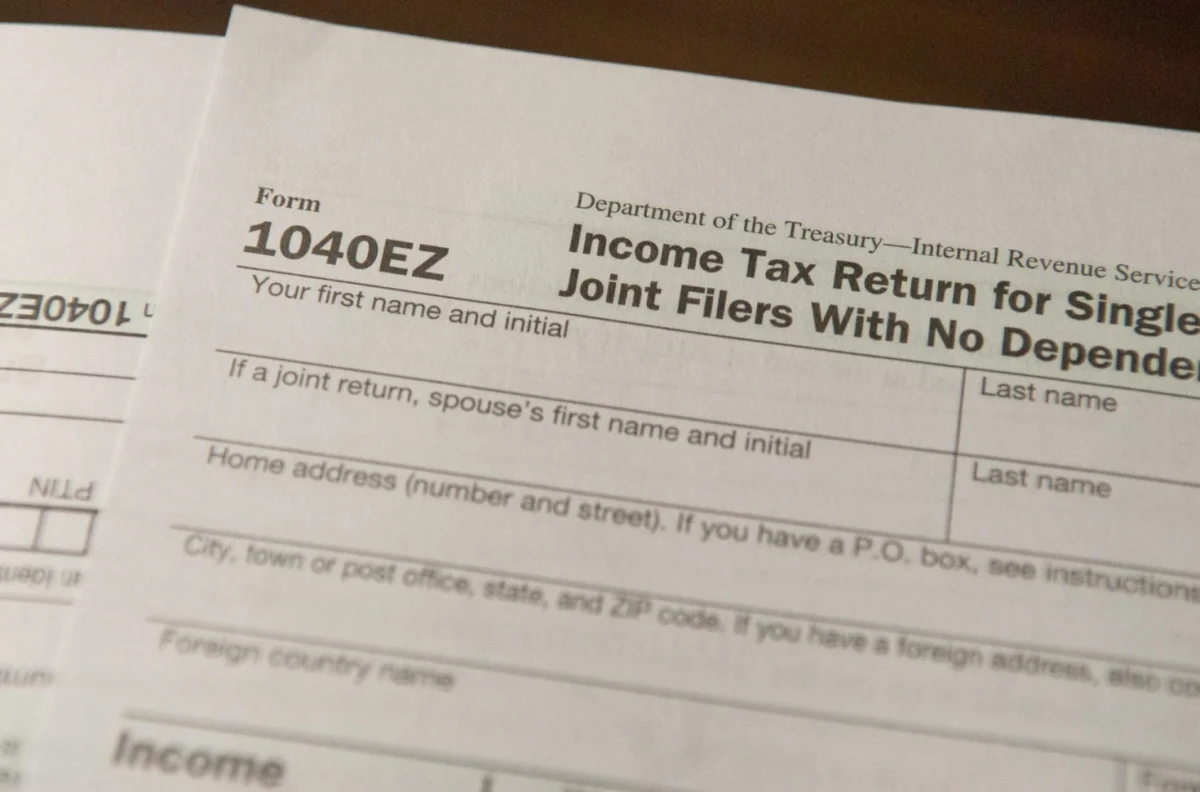
Tax preparer scams rise as IRS impostors target stressed filers. Image Credit: Jon Sweeney / NBC News
As tax season ramps up in 2026, a growing number of Americans are facing a new and costly threat: fake tax preparers and IRS impersonation scams. With recent changes to filing systems and the discontinuation of the free government-run tax filing program, confusion is at an all-time high, and scammers are moving fast to exploit it.
Federal agencies, cybersecurity experts and consumer watchdogs warn that fraudulent tax preparers, fake IRS calls, and scam emails are flooding inboxes and phones nationwide, pressuring taxpayers into handing over sensitive personal and financial information.
Why Tax Preparer Scams Are Exploding in 2026
Experts say uncertainty is the scammer’s most powerful weapon.
According to Trend Micro, criminals are capitalizing on confusion surrounding tax filing options by posing as IRS representatives, tax resolution officers, or low-cost tax preparers promising faster refunds or urgent fixes. These scams thrive when taxpayers feel rushed or unsure about what rules apply.
With many filers anxious to submit returns early, scammers use urgency to override caution, often with devastating consequences.
How Fake Tax Preparers and IRS Impostors Operate
Scam tax preparers typically follow a familiar playbook. Victims receive emails, texts or phone calls claiming there is a problem with their tax account, refund or filing status. The message often references “new rules,” “account flags,” or “back taxes owed.”
Some impostors claim to be part of a so-called “Tax Resolution Oversight Department”, a name designed to sound official but has no connection to the IRS. Once trust is established, scammers demand Social Security numbers, banking details or immediate payments.
READ ALSO
FTC Warning: IRS Will Never Call You First
The Federal Trade Commission has reported a spike in scam phone calls threatening arrest, lawsuits or deportation over unpaid taxes.
The FTC emphasizes a critical rule: the IRS always initiates contact by mail. It does not demand payment by prepaid debit cards, wire transfers or cashier’s checks, and it does not call, text or email unexpectedly.
Any tax preparer or caller who pressures immediate payment or requests sensitive data without official mail documentation is likely fraudulent.
The Real Cost of Falling for a Tax Preparer Scam
Once scammers gain access to personal information, the damage can escalate quickly. Victims may face identity theft, stolen tax refunds, fraudulent returns filed in their name, drained bank accounts, and long-term credit damage.
Experts say recovery often takes months and can involve disputes with financial institutions, credit bureaus and the IRS.
How to Protect Yourself This Tax Season
Consumer protection agencies recommend slowing down and verifying everything.
Taxpayers should only use verified tax preparers, avoid clicking links in unsolicited messages, and confirm all tax-related communications directly through IRS.gov. Unexpected urgency is a major red flag.
If you suspect fraud, stop engaging immediately and report the incident to [email protected] or ReportFraud.ftc.gov.
What to Do If You’ve Already Responded
If you believe you shared information with a fake tax preparer or IRS impostor, act quickly. Monitor bank accounts, change passwords, and consider placing a fraud alert or credit freeze. Early action can significantly reduce long-term damage.
FAQ
Are tax preparer scams increasing in 2026?
Yes. Federal agencies report a significant rise in fake tax preparers and IRS impostor scams driven by filing confusion and urgency during tax season.
How can I tell if a tax preparer is legitimate?
A legitimate tax preparer will not pressure you, demand immediate payment, or contact you unexpectedly claiming IRS authority. Always verify credentials and reviews.
Does the IRS ever call or text taxpayers?
No. The IRS initiates contact through official mail, not phone calls, texts or emails.
What should I do if I get a call saying I owe back taxes?
Hang up immediately. Contact the IRS directly using the phone number listed on IRS.gov to verify your tax status.
What information do tax scammers try to steal?
Scammers target Social Security numbers, bank details, IRS login credentials and identity documents.
Where can I report a fake tax preparer or IRS scam?
Forward emails to [email protected] and report scams at ReportFraud.ftc.gov.