

Has Tanzania’s election violence shattered its reputation for stability?

Has Tanzania’s election violence shattered its reputation for stability?
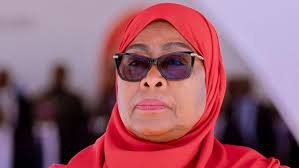
Tanzania’s long-running reputation for peace and order was shaken last month as the country descended into turmoil following a deeply contested election. President Samia Suluhu Hassan, speaking during her swearing-in ceremony for a newly reshuffled cabinet, raised the alarm that the violence that erupted could undermine the nation’s economic future.
At 65, President Samia did not mince words: “What happened eroded our global credibility,” she said, warning that the unrest could reverse hard-won gains. She acknowledged that Tanzania’s dependence on international loans makes the stakes especially high; shaken trust from global creditors could threaten the flow of much-needed funding.
Despite being declared the winner with an overwhelming 98% of the vote in the October election, her administration has faced fierce criticism. Opposition groups — barred from fully participating — blasted the process as undemocratic. Protests broke out shortly after the vote, and the government’s response was swift and brutal.
A five-day internet blackout followed the polls, during which security forces cracked down on demonstrators. Opposition figures say dozens, possibly hundreds, died. While the government has not released official numbers, some reports claim that at least 240 individuals were later charged with treason.
Grim images and videos shared widely online fueled international condemnation. Whole families claimed that loved ones were killed. Under pressure, Samia has since launched an official probe into the violence. She urged prosecutors to review cases, especially for those arrested but not actively involved in the unrest.
To signal a commitment to reconciliation, Tanzania has invited Malawi’s former president Lazarus Chakwera — now a Commonwealth envoy — to lead a four-day peace mission. He is expected to meet with government officials, opposition leaders, civil society organizations, and religious figures. According to Commonwealth officials, his visit is aimed at nurturing “constructive dialogue.”
Beyond politics, Samia also addressed the economic fallout. She warned that borrowing from major international financiers may become more difficult, citing the “stain” on Tanzania’s recently cultivated image of stability. To counteract this, she urged her cabinet to refocus on cutting reliance on external borrowing — mobilizing internal resources and making better use of Tanzania’s natural wealth.
In a move that raised eyebrows, Samia appointed her daughter, Wanu Hafidh Ameir, to the new cabinet as Deputy Minister of Education. Meanwhile, her son-in-law, Mohamed Mchengerwa, retained a cabinet seat as Health Minister. These choices have sparked debate among critics who say the appointments mix personal and political lines.
Observers point out that Samia’s first term had begun under promising conditions. She came to power in 2021 after the death of her predecessor and was initially lauded for easing political repression. But in recent months, space for dissent appears to have narrowed sharply, and several opposition leaders remain jailed or disqualified.
For many Tanzanians, the challenge ahead is not merely justice, but healing. President Samia’s acknowledgment of the crisis — and her public effort to investigate and reconcile — represents a critical moment for a country that has long drawn strength from its image of calm governance.
FAQ
Q1: What sparked the unrest in Tanzania?
A1: The unrest followed the October election in which President Samia Suluhu Hassan won 98% of the vote. Opposition groups, barred from fully contesting, viewed the election as unfair and organized protests in response.
Q2: How severe was the government’s response?
A2: Security forces reportedly cracked down on demonstrators during a five-day internet blackout. Opposition sources claim hundreds may have died, though officials have not released a definitive death toll.
Q3: What steps is President Samia taking now?
A3: She has launched an official investigation into the violence and has encouraged prosecutors to review or drop charges against those not centrally involved. She has also pledged to reduce dependency on foreign loans and focus on internal resource mobilization.
Q4: Who is leading reconciliation efforts?
A4: Former Malawian president Lazarus Chakwera, currently a Commonwealth envoy, has been invited to Tanzania to hold dialogue with political parties, civil society groups, and religious leaders to help ease tensions.
Q5: Are there any controversial cabinet changes?
A5: Yes. Samia appointed her daughter, Wanu Hafidh Ameir, as Deputy Minister of Education, and retained her son-in-law, Mohamed Mchengerwa, as Health Minister. Critics argue this raises concerns about nepotism.