

Tahoe avalanche horror: Six rescued but nine still missing as storm fuels race against time

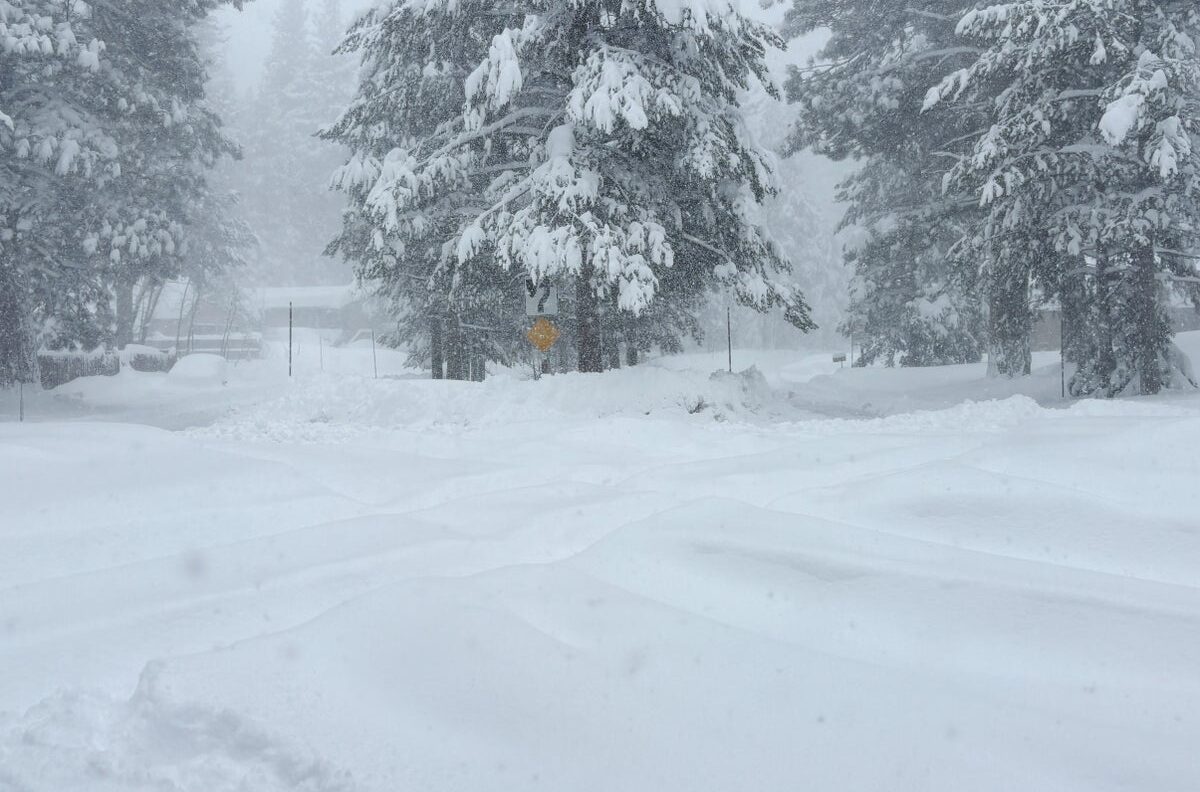
Rescue crews search avalanche site near Tahoe. Image Source: The Independent
A powerful winter storm turned a backcountry ski trip into a desperate fight for survival after a massive avalanche near Lake Tahoe buried members of a guided expedition in California’s Sierra Nevada mountains.
Six skiers have been rescued with injuries, but nine others remain missing, triggering an intense, multi-agency search effort in dangerous weather conditions. Authorities say the avalanche struck near Castle Peak, northwest of Lake Tahoe, as the group was concluding a three-day trek through rugged terrain.
Emergency responders are racing against time, high winds, and continued avalanche threats in what officials describe as an extremely hazardous rescue operation.
Avalanche Strikes Backcountry Ski Group Near Castle Peak
The avalanche occurred late Tuesday morning in the Castle Peak area near Truckee, a popular destination for advanced backcountry skiing. The group was reportedly navigating steep, ungroomed terrain when snowpack above them suddenly collapsed, sending a wave of snow, ice, and debris crashing downhill.
Initially believed to involve 16 people, authorities later confirmed the group consisted of 15 skiers. The trip was led by Blackbird Mountain Guides and included experienced backcountry participants equipped with emergency beacons.
A 911 call alerted officials to multiple people buried in snow. Search and rescue teams were immediately deployed to the Frog Lake area, though access was severely limited due to whiteout conditions and high avalanche risk.
Six Rescued, Two Hospitalized
After nearly 12 hours of gruelling operations, six skiers were rescued with what officials described as various injuries. Two were transported to hospital for treatment, while the others were evaluated on-site.
Rescue teams reached survivors by skiing into the area and using snowcats, with snowmobiles on standby. Survivors communicated via emergency beacons, some capable of sending text messages.
According to rescue officials, the group improvised a makeshift shelter using a tarp while awaiting assistance, demonstrating critical survival measures under extreme alpine conditions.
READ ALSO
Is tropical storm Gezani expected to hit South Africa? What SA weather experts are warning about
Nine Skiers Still Missing as Avalanche Risk Remains High
Nine members of the expedition remain unaccounted for. Authorities warn that the avalanche danger remains at level 4 out of 5, meaning conditions are highly unstable with potential for additional slides.
Heavy snowfall, accumulating at rates of up to four inches per hour, combined with gale-force winds and fragile snowpack layers created what avalanche forecasters described as a “particularly dangerous” backcountry environment.
Search crews must proceed cautiously to avoid triggering secondary avalanches, slowing progress in what officials call a “slow, tedious process.”
Winter Storm Slams Sierra Nevada, Shuts Roads and Resorts
The avalanche unfolded amid a broader winter storm impacting Northern California. Soda Springs recorded approximately 30 inches of snow within 24 hours.
Interstate 80 near Donner Summit was temporarily shut down due to spinouts and crashes. Several ski resorts in the region either closed or limited operations as conditions deteriorated.
Avalanche mitigation systems at established resorts reduce risk within controlled boundaries, but experts strongly discourage travel in backcountry terrain during active storm cycles.
Backcountry Skiing Risks and Avalanche Statistics
Backcountry skiing, also known as off-piste skiing, involves venturing far beyond resort boundaries into uncontrolled terrain. While it offers pristine powder and solitude, it carries significantly higher risks.
According to the National Avalanche Center, between 25 and 30 people die in avalanches each year in the United States. Training in avalanche safety, snowpack assessment, and use of rescue equipment such as transceivers, probes, and shovels is strongly recommended.
The Castle Peak area has a history of winter hazards, and earlier this season, another avalanche in the region claimed the life of a snowmobiler.
Search Effort Continues Under Tight Weather Window
Authorities say snowfall may ease temporarily, providing a critical window for intensified search operations. However, another storm system is forecast later this week, raising concerns about narrowing rescue opportunities.
California’s governor has been briefed, and state resources are supporting local search-and-rescue teams in what has become an all-hands emergency response.
For families awaiting news, the uncertainty remains agonizing as rescue crews press forward in one of the most challenging winter rescue environments of the season.
FAQ
What happened in the Tahoe avalanche?
A backcountry ski group near Castle Peak in the Sierra Nevada was struck by an avalanche during a severe winter storm. Six were rescued, and nine remain missing.
How many people are missing in the Tahoe avalanche?
Nine skiers are currently unaccounted for as search operations continue under dangerous conditions.
Where did the avalanche occur?
The avalanche occurred near Castle Peak, northwest of Lake Tahoe, close to Truckee in Northern California.
How many people were in the ski group?
Authorities confirmed there were 15 skiers in the expedition.
Were the rescued skiers injured?
Yes. Six were rescued with various injuries, and two required hospital treatment.
Why is the rescue effort slow?
Heavy snowfall, strong winds, and ongoing avalanche risk make it dangerous for crews to access the area safely.
What is the avalanche danger level?
The region was under a level 4 out of 5 avalanche threat, indicating high risk of natural and human-triggered slides.
Is backcountry skiing more dangerous than resort skiing?
Yes. Backcountry skiing involves uncontrolled terrain without avalanche mitigation systems, increasing exposure to natural hazards.
How common are avalanche deaths in the U.S.?
Between 25 and 30 people die in avalanches annually in the United States, according to national data.