

Stryker unveils AI-powered SmartHospital platform to transform connected healthcare

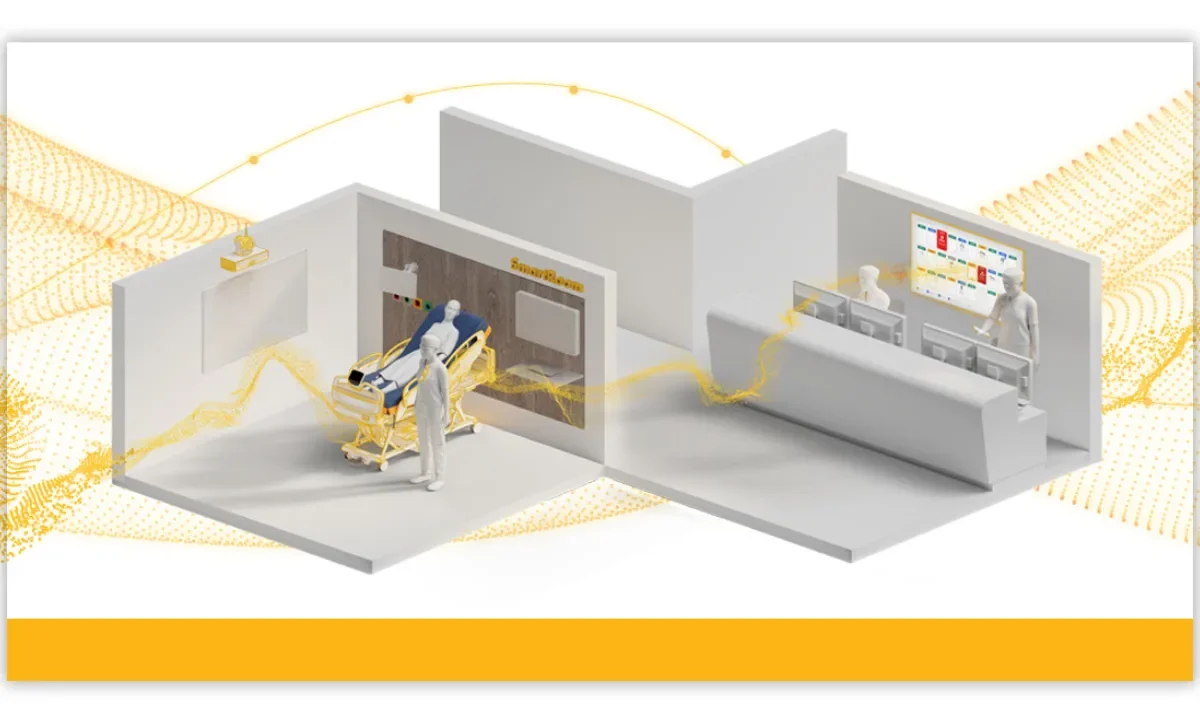
Stryker launches AI-powered SmartHospital platform for hospitals
Global medical technology leader Stryker Corporation has unveiled its new SmartHospital Platform, a digital ecosystem designed to unify hospital devices, data streams, and clinical workflows into a single connected infrastructure.
The announcement comes ahead of the HIMSS Global Conference and Exhibition, where healthcare technology companies often reveal innovations shaping the future of hospitals.
The platform reflects a growing industry shift toward AI-driven healthcare environments that combine medical hardware with software and analytics. By bridging communication gaps and streamlining clinical workflows, Stryker aims to help hospitals manage rising patient volumes, staff shortages, and fragmented systems.
A New Era of Connected Hospitals
The SmartHospital Platform is designed to connect devices, operational systems, and care teams across a hospital’s infrastructure. Instead of relying on multiple disconnected platforms, hospitals can access a unified system that coordinates workflows and provides actionable insights.
According to Stryker, the platform focuses on solving three persistent challenges in modern healthcare: system fragmentation, staff overload, and increasing patient demand.
Through a centralized digital framework, the system enables hospitals to better coordinate clinical operations and patient care. The company says the platform integrates devices and data to support both clinical decision-making and operational efficiency, ultimately improving patient outcomes.
This digital infrastructure builds on Stryker’s longstanding presence in medical devices, adding a software layer that connects its equipment to broader healthcare networks.
Key Features: AI, Ambient Intelligence, and Voice-Activated Communication
Stryker’s SmartHospital ecosystem incorporates several advanced technologies designed to enhance hospital workflows.
One major capability is voice-activated, hands-free communication, allowing medical staff to coordinate without leaving patient care activities. The system also filters and prioritizes alarms and notifications, reducing alert fatigue and improving situational awareness.
Another core feature is virtual care support, including virtual nursing and remote patient monitoring. These tools allow clinicians to oversee patients more efficiently, especially in high-volume hospital environments.
The platform also integrates ambient intelligence sensors powered by artificial intelligence. Using camera-based sensors and on-device processing, the system analyzes activity in care environments and delivers insights that help clinicians make faster decisions.
Together, these features create what Stryker describes as an adaptive hospital environment, where technology responds to the needs of both patients and healthcare professionals.
READ ALSO
9 Powerful Ways Automation Is Changing Household Management
Integration With Existing Hospital Systems
One of the biggest barriers to digital transformation in healthcare is compatibility with existing infrastructure.
Stryker says the SmartHospital platform was built as an open ecosystem, allowing it to integrate with more than 280 healthcare technologies, including electronic health record systems, imaging platforms, and workflow tools.
This interoperability means hospitals can adopt the platform without replacing existing technologies. Instead, SmartHospital acts as a bridge between different systems, ensuring that data flows seamlessly across departments.
Company executives say this open-platform approach reflects the reality that hospitals rely on multiple vendors and systems, making integration critical to effective digital transformation.
Expanding Stryker’s Role in Digital Health
The SmartHospital launch also highlights a broader trend among medical technology companies: the growing importance of software and digital services alongside traditional hardware products.
Historically, companies like Stryker generated most revenue through medical equipment sales. However, connected platforms and digital solutions create opportunities for recurring software revenue and subscription-based services.
For investors watching NYSE:SYK, the platform could signal a strategic expansion into the rapidly growing digital health and smart hospital market.
Analysts note that the company currently trades slightly below consensus price targets, with stable stock performance in recent weeks. However, long-term valuation may depend on how quickly hospitals adopt the new platform and whether digital offerings drive additional revenue growth.
AI and Future Healthcare Applications
Artificial intelligence is expected to play a larger role in Stryker’s future products.
Through acquisitions and internal development, the company is embedding AI capabilities across different areas of care, from operating rooms to intensive care units and emergency services.
For example, some AI tools already analyze quantitative blood loss during surgery, providing clinicians with real-time data that could improve patient safety. Over time, Stryker plans to expand these capabilities across broader clinical workflows.
By combining AI, connected devices, and cloud analytics, the SmartHospital platform positions Stryker as a key player in the evolving smart healthcare infrastructure market.
FAQ
What is the Stryker SmartHospital Platform?
The Stryker SmartHospital Platform is a digital healthcare system designed to connect hospital devices, data, and care teams into one unified ecosystem. It integrates AI, communication tools, and workflow management to improve hospital operations and patient care.
How does the SmartHospital platform work?
The platform connects multiple hospital technologies—including medical devices, electronic health records, and communication systems—into a single interface. AI tools analyze data from sensors and devices to provide insights that help clinicians make faster and more accurate decisions.
Why did Stryker develop the SmartHospital platform?
Stryker developed the platform to address common healthcare challenges such as system fragmentation, staff shortages, and increasing patient demand. By unifying hospital systems, the platform helps streamline workflows and reduce inefficiencies.
What technologies power the SmartHospital system?
The system uses several advanced technologies, including:
- Artificial intelligence (AI)
- Ambient sensors and computer vision
- Voice-activated communication tools
- Cloud-based data processing
- Virtual care and monitoring systems
These technologies work together to create a responsive and connected hospital environment.
Can SmartHospital integrate with existing hospital systems?
Yes. The platform was designed as an open ecosystem that can integrate with more than 280 healthcare technologies, including electronic health record systems and imaging platforms. This allows hospitals to adopt the platform without replacing their existing infrastructure.
How does AI improve hospital workflows?
AI helps automate routine processes, analyze patient data in real time, prioritize alerts, and support clinical decisions. This reduces administrative burden and allows healthcare professionals to focus more on patient care.
What impact could SmartHospital have on healthcare?
SmartHospital technology could significantly improve hospital efficiency, communication, and patient monitoring. Over time, connected hospital systems may reduce medical errors, enhance patient outcomes, and enable more efficient use of healthcare resources.
How might the platform affect Stryker’s business strategy?
The SmartHospital platform expands Stryker’s focus beyond medical devices into digital health software and connected hospital infrastructure, potentially creating new revenue streams through subscription services and digital healthcare solutions.