

Stanley Baxter dies at 99: What to know about the life and legacy of a British comedy icon

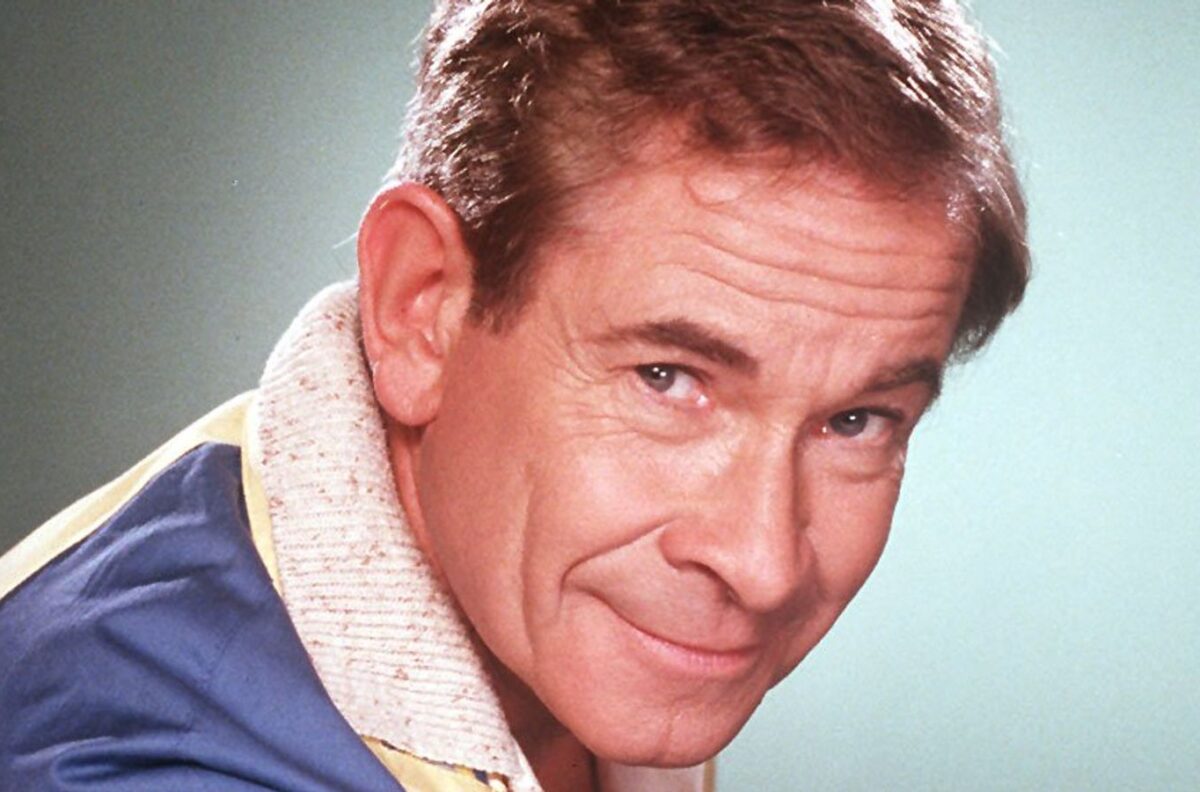
Stanley Baxter. Image Credit: ITV/Shutterstock
Scottish comedian, impressionist and television trailblazer Stanley Baxter, celebrated for his extravagant sketches, fearless impressions and lavish productions, has died at the age of 99. Baxter, who shaped British comedy across the 1960s, 70s and 80s, passed away on Thursday in a north London care home, just months before his 100th birthday, as confirmed by his biographer Brian Beacom.
Across generations, Baxter stood out as one of Britain’s most inventive entertainers, bold enough to parody the Pope, mimic the Queen, and satirize Glasgow’s unique dialect in routines that became cultural touchstones. His passing marks the end of an era many associate with grand television specials, high production values, and nationwide shared humour.
A Colossal Television Career That Defined an Era
For decades, Stanley Baxter was a dominant force on British television. His sketch shows, first on the BBC and later on ITV and LWT, were renowned for their enormous budgets, intricate sets, glamorous costumes and elaborate parody sequences.
Breakthrough and Stardom
Baxter first burst into major recognition with On The Bright Side (1959), where his signature comic style attracted attention. The launch of The Stanley Baxter Show in 1963 elevated him to national superstardom, with audiences regularly exceeding 20 million viewers, a number unimaginable in today’s fragmented media landscape.
Fearless Mimicry and Parodies
Baxter excelled in drag, caricature, and mimicry. His portrayal of “The Duchess of Brendagh”, a parody of the Queen, became one of his most talked-about impressions. He spoofed movie classics, television programs and even national institutions with razor-sharp wit.
READ ALSO
Roots in Glasgow and Early Life in Entertainment
Born in Glasgow in 1926, Baxter grew up in the city’s West End, encouraged by his mother’s love for theatre. By age 14, he was performing professionally on the Scottish version of BBC’s Children’s Hour.
During World War II, he worked as a Bevin Boy in the coal mines before serving in Malaya, where he joined the Combined Services Entertainments Unit, a pivotal experience that honed his stagecraft.
‘Parliamo Glasgow’: The Sketch That Became a Cultural Staple
One of Baxter’s most iconic contributions to British comedy was Parliamo Glasgow, a spoof language-teaching sketch that exaggerated Glaswegian dialect for comic effect.
Phrases like:
“Zarra marra onna barra, Clara?”
translated humorously to:
“Is that a marrow on your barrow, Clara?”
The sketch became a national sensation, proving his ability to poke fun at Scottish identity without offending his roots.
Retirement, Personal Life and Revelations in Later Years
Baxter largely retired from television in the 1990s, later returning briefly for radio specials and voice roles in animated projects. His personal life, long shielded from the spotlight, was revealed in his 2020 biography The Real Stanley Baxter, where he confirmed he was gay, a truth he concealed for decades due to the threat of imprisonment before UK decriminalisation.
His wife, Moira, whom he married in 1951, knew of his sexuality and supported him until her death in 1997. Baxter never remarried and lived quietly following the death of his long-term partner Marcus in 2016.
A Legacy Written Into British Television History
Baxter received numerous accolades, including multiple BAFTA awards and a Lifetime Achievement Award at the British Comedy Awards. His pioneering work remains influential to modern comedians and impressionists.
Even as younger generations may not fully recognise his name, his imprint on British comedy, from drag performance to high-budget satire, remains unmistakable.
FAQ
1. Who was Stanley Baxter?
Stanley Baxter was a Scottish comedian, actor and impressionist known for his elaborate television sketch shows, drag performances and iconic parodies from the 1960s to the 1980s.
2. How did Stanley Baxter die?
Baxter died at age 99 in a north London care home for entertainers, where he had lived since 2023. His biographer confirmed the news, though no specific medical cause was publicly disclosed.
3. How old was Stanley Baxter when he died?
He was 99 years old, only months away from turning 100.
4. What was Stanley Baxter most famous for?
He was best known for Parliamo Glasgow, his Queen parody “The Duchess of Brendagh,” big-budget television specials and groundbreaking sketch comedy.
5. Why was Stanley Baxter’s comedy considered groundbreaking?
His shows were known for extraordinary production values, fearless mimicry of high-profile figures, and sophisticated satire that pushed the boundaries of television at the time.
6. Did Stanley Baxter ever come out publicly?
Yes. In 2020, Baxter revealed in his biography The Real Stanley Baxter that he was gay, a secret he hid for most of his life due to criminalisation at the time.
7. Was Stanley Baxter married?
Yes. He married Moira Robertson in 1951. She died in 1997. They never divorced and remained close despite living apart.
8. What were Stanley Baxter’s most successful TV shows?
His major hits include The Stanley Baxter Show, The Stanley Baxter Picture Show, Stanley Baxter’s Christmas Box, and various film parodies during his LWT era.
9. Did Stanley Baxter act in films?
Yes. His films include Geordie (1955), The Fast Lady (1962), and Very Important Person (1961).
10. Why did Stanley Baxter retire from TV?
High production costs, changing audience tastes, and contract cancellations contributed to his withdrawal from television in the early 1990s.
11. What is ‘Parliamo Glasgow’?
It is Baxter’s famous comedy sketch that humorously “taught” exaggerated Glaswegian dialect to viewers, becoming one of his most recognisable routines.
12. Where is Stanley Baxter from?
He was born and raised in Glasgow, Scotland.
13. Did Stanley Baxter win any awards?
Yes. He won multiple BAFTAs and received a Lifetime Achievement Award at the British Comedy Awards, among other honours.