

SPECIAL REPORT: A midwife’s enduring legacy as a mothers’ guardian

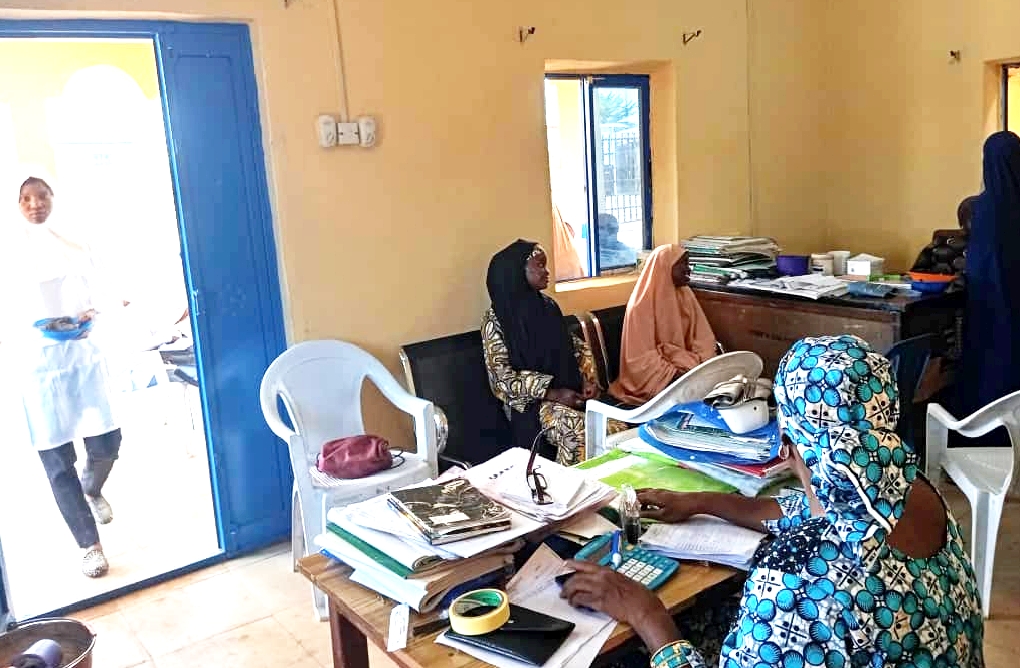
Janet Adonai Muazu at Rigolo PHC Photo Credit: Anibe Idajili
By Anibe Idajili
In Rigolo, a quiet village in Niger State’s Magama Local Government Area, a tragic scene once unfolded. A young mother, exhausted from a painful labour, passed away, her body left to cool under a mango tree while relatives wailed in anguish. She had suffered post-partum haemorrhage (PPH), the leading killer of mothers in Nigeria, left untreated because the village’s health centre lacked even the most basic supplies, let alone electricity.
For years, as in many remote Nigerian villages, residents relied on traditional birth attendants (TBAs) who, though well-meaning, were forced to practice in unsafe, under-resourced conditions. The result was a broken health system of empty Primary HealthCare Centres (PHCs), sporadic outreach from urban hospitals, and countless preventable deaths.
The Dawn of the Midwives Service Scheme (MSS)
In 2009, the Federal Government of Nigeria, recognising the urgency of the crisis, entered into a partnership with the Society of Gynaecology and Obstetrics of Nigeria (SOGON). Together they launched the Midwives Service Scheme (MSS), a nationwide effort to staff the most neglected PHCs with qualified midwives, ensuring that every pregnant woman would have access to skilled birth attendance.
By 2017, after years of slow rollout, the scheme finally reached Rigolo, a community that had been left to fend for itself for decades. Among the 4,000 midwives dispatched nationwide, 61-year-old Janet Adonai Muazu, a retired nurse and midwife with three decades of frontline experience, answered the call.
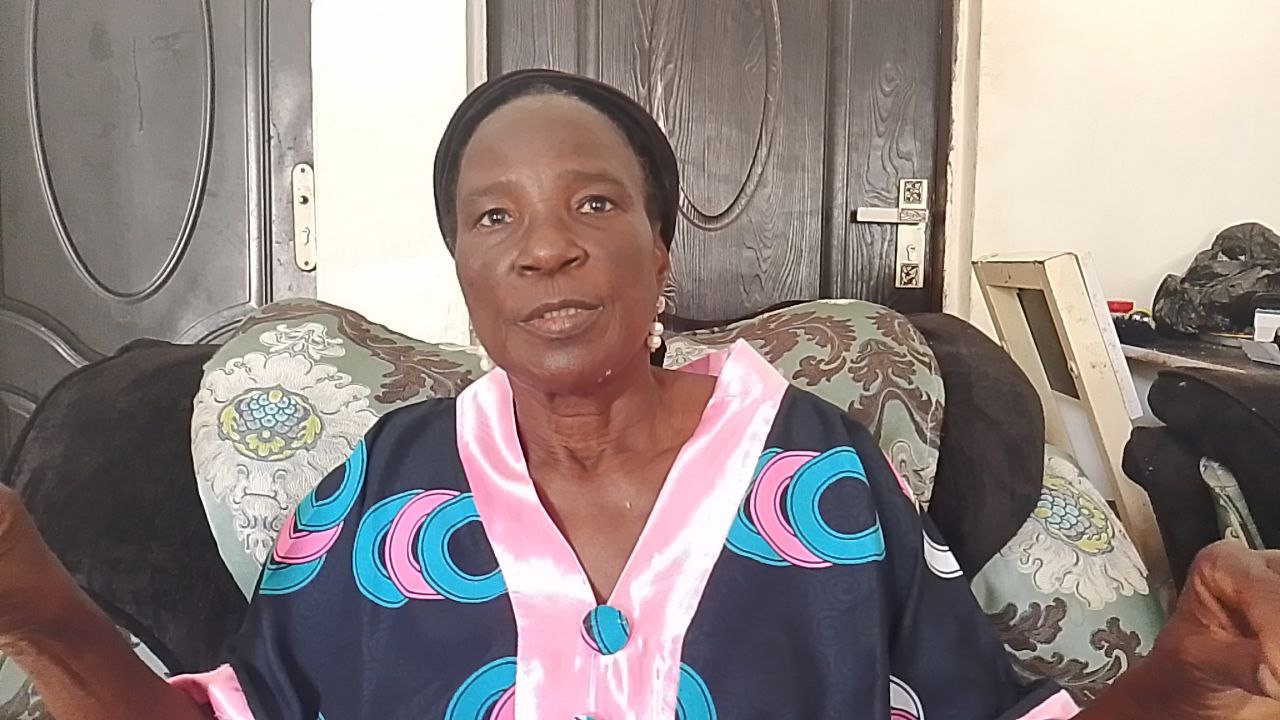
From One Midwife to a Generation
Janet’s career began in the 1980s, when she first witnessed the realities of rural obstetric care, including inadequate facilities, a single health worker handling dozens of deliveries, and a disturbing pattern of preventable fatalities. “We had women arriving in labour with their lives at risk. One health worker tampered with a placenta instead of referring a patient. The woman nearly died,” she recalls.
Such stories were rampant. Only half of women of childbearing age in Niger State have access to essential antenatal care from trained professionals, and one in every 95 mothers dies from preventable pregnancy and childbirth complications
Those early memories shaped Janet’s conviction that skill, compassion, and community trust are inseparable. When the MSS offered her the posting to Rigolo, a community she had never visited and a 130 km journey she would have to make each month from Kontagora, she accepted without hesitation. She knew that the work would be hard, but she also knew that her presence could tip the balance between life and death for countless women.
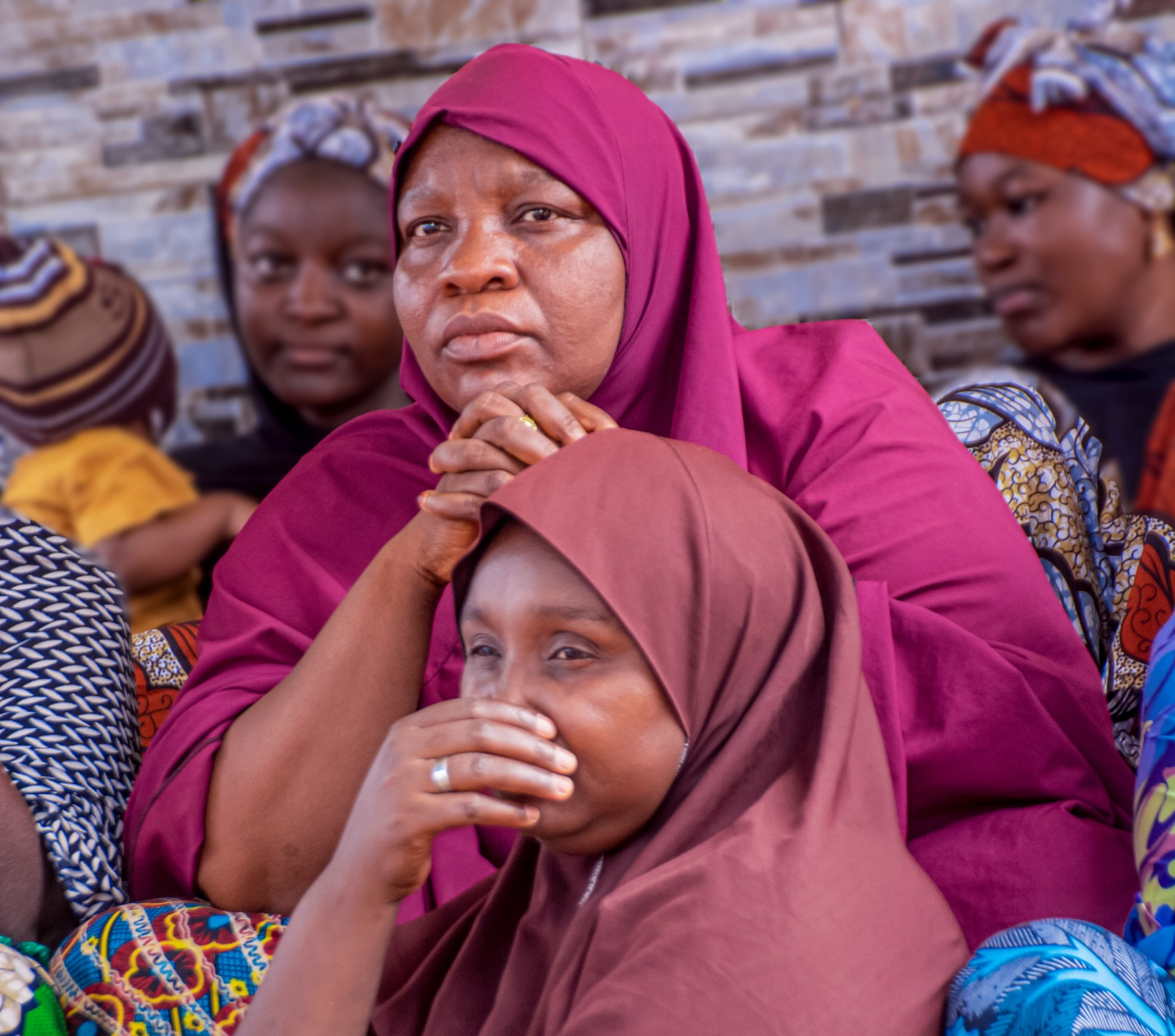
Photo Credit: Anibe Idajili
Rebuilding a PHC from the Ground Up
The day Janet stepped into the modest PHC building in Rigolo, she immediately set to work on three fronts: infrastructure, partnership, and capacity building.
The PHC lacked a reliable water source. Janet negotiated with local vendors to secure water delivery. While this was a stop-gap, it provided the clean water essential for sterilising instruments and maintaining hygiene during deliveries.
Within her first week, Janet linked up with Physicians for Social Justice (PSJ), an NGO that had been supplying free vitamin supplements to pregnant women in the state. By coordinating distribution through the PHC, she ensured that every expectant mother who walked through the doors received prenatal vitamins, iron, and folic acid, basic but life-saving nutrients. Within a few months, attendance at the PHC surged. Women who previously relied on traditional birth attendants (TBAs) began walking to the clinic, saying, ‘Mama is there.”
The only community health worker at Rigolo PHC, Aisha Mansur, was overwhelmed. Janet took Aisha under her wing, training her on the early recognition of PPH, the correct use of oxytocin and other uterotonics, and the umbilical cord pulse technique, a simple method that can control bleeding when administered promptly.
Aisha recounts a case where a newborn arrived barely breathing. Janet’s quick action, clamping the cord, giving a dose of oxytocin, and starting gentle ventilation, saved the baby’s life. Word spread, and soon the phrase “Go to the health centre. Mama is there” became a local rallying cry.
The ripple effect extended beyond the village. Grace Audu, a 28-year-old student at the Niger State School of Midwifery, credits Janet for her decision to pursue a midwifery career. “She handled emergencies with such calm; I wanted to be that steady presence for my own community,” Grace says.
The story did not stop there. Seeing the limited capacity of a single PHC, Janet established a formal referral pathway to Yauri General Hospital in Kebbi State, the closest tertiary health facility equipped for caesarean sections and comprehensive obstetric emergencies. She organised transport arrangements, shared contact lists, and educated families about the signs that required a transfer. “Even if a woman needed a caesarean, families knew they could always go to Yauri,” she explains.

Photo Credit: Anibe Idajili
Measuring Impact with Numbers and Narratives
The changes were not just anecdotal. Within six months, antenatal care attendance moved from a “red” (critical) status to “green” in the state health database. Skilled birth attendance (SBAs) in northern Nigeria also rose from 25.6 % in 2011 to 33.1 % in 2021, a trend partially driven by MSS deployments like Janet’s. Maternal health literacy, the community’s ability to recognise danger signs, also improved dramatically, according to local health officials.
But the most powerful evidence comes from personal stories. Hassan Ibrahim remembers the night his wife nearly died from postpartum haemorrhage. “Mama clamped the bleeding, gave IV fluids, and saved her. Now I proudly tell anyone: ‘The MSS is a good government plan.’”
Zainab Jega, a mother of four who once feared childbirth, now mentors younger women on pregnancy danger signs, quoting Janet’s lessons: “When you feel you are bleeding too much, call the clinic immediately. Don’t wait.”
These stories indicate a cultural shift where women now educate each other, men support clinic visits, and local leaders demand better health infrastructure. The MSS-induced change in Rigolo was tangible.
The Rough Patches
Janet’s optimism is tempered by the systemic challenges that continue to threaten the MSS’s sustainability. By 2019, when her contract ended, staffing issues, delays in salary payments, and supply shortages, such as the lack of IV fluids and folic acid, threatened the MSS’s momentum. PSJ, her NGO partner, also ran out of stock, leaving the PHC without essential vitamins for expectant mothers.
Infrastructure gaps further complicated efforts. Even after securing water deliveries, the PHC still lacked reliable water supply. “In maternity, hygiene is everything,” Janet emphasized. “Without water, we struggled a lot.”
Short-term contracts also hindered sustainability. A 2022 survey found that many MSS midwives left within six months due to due to delayed payments and short-term contracts. The resulting turnover erodes community trust, as women have to re-establish relationships with new, unfamiliar providers.
The MSS has increased rural midwives by 9% and improved maternal literacy, but its future depends on scaling what works.
These challenges are not unique to Rigolo. Hauwa Kulu Abdullahi, National Media Officer for the Federation of Muslim Women’s Associations in Nigeria (FOMWAN), agrees that the scheme has been successful in the State but needs to improve in certain areas. “There are concerns about logistics, especially accommodation for midwives who reside far from their assigned PHCs. Remuneration for them also needs to be more consistent.”
Kenneth Nnaji, a maternal health policy analyst in Minna, Niger State, describes the MSS as a “solution sandwich” that is effective in the middle but incomplete without support on all sides. “We need to invest in education for midwives, infrastructure, and consistent funding.”
Attempts to reach Fatima Mohammed, Niger State’s PHC information officer, for clarification on the state’s support to the MSS have gone unanswered despite repeated inquiries via calls and WhatsApp. This silence highlights a lack of accountability that jeopardises sustainability.

Photo Credit: Anibe Idajili
A Disparity in Maternal Healthcare
While Rigolo’s story showcases the life-saving impact of the Midwives Service Scheme, Kwangwara, a community in Madara Ward, tells a very different story. Despite being in the same State, Kwangwara has never received a midwife under the MSS. The PHC remains underutilized, devoid of antenatal services, emergency care, and essential supplies like sanitary pads or delivery kits.
Maternal mortality remains high, with complications like postpartum haemorrhage and obstructed labour often going untreated. “I lost my sister during childbirth. No one could stop the bleeding,” laments Shamsiya, a grieving community member.
Shehu Tijjani, Ward Focal Person for Madara Ward, explained that the Kwangwara PHC, like other facilities in the ward without midwives, depends solely on Community Health Extension Workers (CHEWs) and trained TBAs for deliveries and emergencies. However, many TBAs still operate without formal training or sterile equipment, increasing risks during childbirth. “The government needs partners to sponsor midwives to PHCs,” Tijjani urges, noting the strain of sustaining such essential services alone.
The contrast between Rigolo and Kwangwara exemplifies the transformative power of the MSS, and the dire consequences of its absence. It highlights the urgent need for equitable deployment of midwives across all underserved communities.
Lessons from Rigolo
A PHC without water or reliable electricity is a fragile facility. This report shows the obvious need for governments to pair midwife deployments with basic utilities, ensuring that skilled care can be delivered safely.
Hussein Muhammed, founder of Good Leadership and Empowerment Awareness Initiative (GLEAI), stresses that “midwife deployments must be paired with basic utilities; without water and power, skilled care cannot be rendered safely or consistently.”
Meanwhile, Nnaji emphasizes the power of secure, long-term funding. “Permanent salaries and allowances, rather than shortterm contracts, will keep midwives motivated and reduce turnover, preserving community trust.”
Janet, who mentors Aisha, Grace and local advocate Hassan, adds, “When we have stable jobs and a steady supply of drugs, IV fluids and nutrition, we can focus on what really matters, which is saving lives.”
Pairing these with public-private partnerships will ensure a steady flow of life-saving supplies, while long-term contracts for midwives will promote loyalty and expertise. Together, these strategies will forge a strong, equitable system that safeguards mothers and their children.
Final Reflections
When Janet first arrived in Rigolo, the village’s health narrative was of loss and helplessness. During her two-year contract, mothers arrived the PHC with confidence, newborns cried openly, and community health workers acquired new knowledge.
Janet’s hands may be older, but they remain steady, cradling new life and guiding younger practitioners. Her journey embodies a truth that the human element in maternal healthcare is irreplaceable, but it must be supported by sustainable systems and strong political will.
The Midwives Service Scheme has illuminated a roadmap for Nigeria that combines skill, infrastructure, community participation, and sustainable financing. But as the story of Kwangwara reminds us, the journey is far from complete.
To truly eradicate preventable maternal deaths, policy makers must prioritize universal access to basic utilities, including water, electricity, clean delivery spaces; long-term, protected funding for midwives and PHCs; strong referral and transport networks that link remote clinics to capable hospitals; and ongoing community education that transforms cultural norms around childbirth.
If these pillars stand firm, Janet Adonai Muazu’s legacy and the MSS’s unsung midwives will thrive in every Nigerian mother and child, nurturing generations to come.
This report was made possible with support from the International Centre for Investigative Reporting (ICIR) under the Strengthening Public Accountability for Results and Knowledge (SPARK 2.2) project.