

Why is the South African rand rising? Here’s what to know

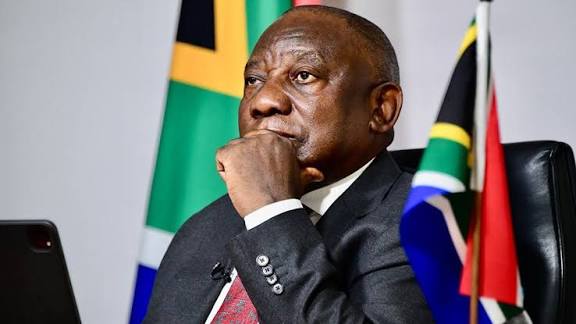
South Africa’s president, Cyril Ramaphosa. Photo Credit- Polity.org
South Africa’s rand is on track for its strongest annual performance since 2009, supported by a weaker US dollar and improved political stability at home, factors that have renewed investor confidence in the country.
The currency has strengthened by about 13% against the dollar this year, buoyed by strong foreign inflows into local-currency bonds. Offshore investors bought a net 72.4 billion rand worth of South African bonds in 2025, a sharp rise from the 15.6 billion rand recorded the previous year. At the same time, the dollar is heading for its steepest annual decline in eight years.
Improving economic fundamentals are also supporting the rand. Slower inflation, expectations of faster growth in Africa’s largest economy, and the likelihood of further interest rate cuts by the US Federal Reserve are seen as factors that could extend gains into next year.
Investors are closely watching progress at key state-owned enterprises, particularly Eskom, which has managed to keep power supply relatively stable for most of 2025 after years of rolling blackouts. Reforms at rail and port operator Transnet are also in focus, as logistics bottlenecks have long weighed on economic growth.
Market analysts say continued foreign inflows or a reduction in hedging against currency risk could serve as catalysts for further appreciation. Expectations of continued monetary easing in the US are also keeping global investors interested in higher-yielding emerging-market assets.
Political stability has played a significant role in boosting sentiment. President Cyril Ramaphosa has kept the governing coalition intact while introducing policy measures aimed at lifting economic growth to an estimated 1.3% this year, compared with an average of less than 1% over the past decade.
Confidence was further strengthened by a recent agreement involving Transnet and a private-sector partner to expand the main container terminal at Durban port. The deal is seen as a major step toward improving efficiency at South Africa’s ports, which have ranked among the weakest globally.
South Africa’s decision to formally adopt a 3% inflation target has also given the rand fresh momentum. The move helped drive demand for government bonds, pushing 10-year yields to their lowest level since 2017, while record rallies in gold and platinum group metals provided additional support.
Meanwhile, market indicators suggest calmer conditions ahead. Implied volatility on the rand has fallen to its lowest level in more than two decades, signalling expectations of fewer sharp currency swings in the year ahead.
If current trends persist, 2025 could mark the rand’s first annual gain since 2019 and its strongest performance in over 16 years.
FAQ Section
Why is the South African rand strengthening in 2025?
The rand is gaining due to a weaker US dollar, improved political stability, strong foreign investment inflows, and better inflation and growth expectations.
How much has the rand gained this year?
The currency has strengthened by about 13% against the US dollar, marking its best performance in more than 16 years.
What role do foreign investors play in the rand’s rally?
Offshore investors have increased purchases of South African bonds, boosting demand for the rand and supporting its appreciation.
Does political stability affect currency performance?
Yes. Political stability reduces risk perception, making a country more attractive to investors and supporting its currency.
Will the rand continue to perform well in 2026?
Analysts say further gains are possible if foreign inflows continue, US interest rates fall further, and domestic reforms remain on track.