

South African fuel prices shock: Flights and deliveries get more expensive as oil crisis triggers new surcharges

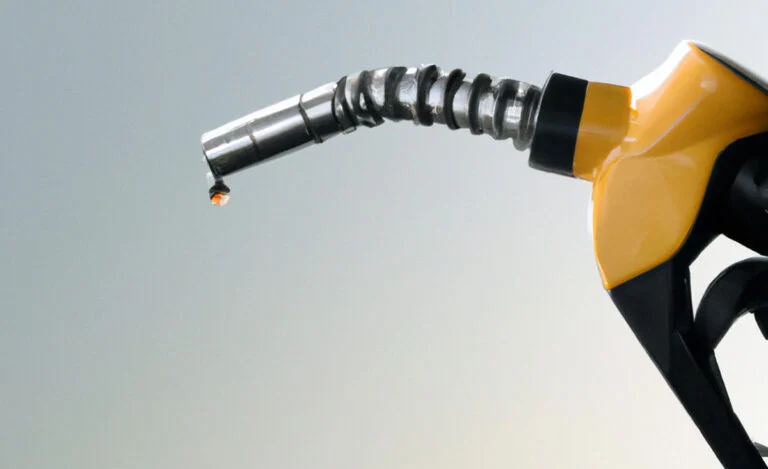
South African fuel prices shock hits flights and parcel deliveries
South African fuel prices are once again in sharp focus after a fresh global oil shock triggered by escalating Middle East tensions began rippling through the local economy. While motorists are bracing for possible increases at the pump, the first visible impact is already being felt in aviation and logistics, with major airlines and courier operators introducing temporary surcharges to offset soaring fuel costs.
In the latest sign of strain, South African Airways (SAA) and FlySafair have both moved to raise prices, while The Courier Guy has confirmed a temporary surcharge on air parcels. The developments underscore how a spike in Brent crude oil and Jet A1 fuel is rapidly feeding into the cost of transport, trade and travel in South Africa. According to reports, the latest surge in oil prices is linked to the ongoing conflict in the Middle East, which has disrupted supply channels and driven up fuel costs globally.
South African fuel prices: Why the latest oil shock matters
The immediate trigger behind the latest South African fuel price concerns is a dramatic rise in global oil prices. Reports indicate that Brent crude surged above $100 per barrel during the week as conflict in the Middle East intensified, including disruptions around critical export and shipping infrastructure. That matters deeply for South Africa because the country remains exposed to global oil price movements and imported fuel costs.
For the aviation sector, the impact has been especially severe. Jet A1 fuel prices at South African airports reportedly jumped by around 70% in just one week, creating immediate pressure on airline operating costs. Fuel already accounts for roughly 50% to 55% of direct operating costs for carriers such as FlySafair, meaning sudden price spikes can quickly become unsustainable without fare adjustments.
SAA ticket prices rise as fuel costs squeeze South African aviation
National carrier South African Airways (SAA) has now confirmed that it will also introduce a surcharge on bookings after initially trying to keep fares stable. According to SAA, it has started receiving Jet A1 fuel hike notifications from suppliers with immediate effect, making it impossible to absorb the increases entirely. As a result, the airline says it will need to adjust fares, with route- and cabin-specific pricing to be published across booking channels. Tickets already purchased before the effective date will still be honoured at the original fare.
SAA stressed that South Africa’s aviation fuel supply remains supported by multiple supply channels, domestic refining capacity and established import infrastructure, which should help cushion against outright supply shortages. However, the airline also acknowledged that the market remains highly volatile and that the sector is operating under significant uncertainty.
FlySafair fuel surcharge adds to South African travel costs
Before SAA’s move, FlySafair had already announced a temporary dynamic fuel surcharge. The airline said the surcharge took effect on 12 March 2026 and will apply to flights departing on or before 12 May 2026, though it may be reviewed depending on market conditions. Importantly, the airline said existing bookings will not be changed retrospectively, meaning customers who already purchased tickets are protected from the surcharge.
FlySafair said it had resisted fuel surcharges throughout its history, but the speed and scale of the current jump in fuel prices forced its hand. The carrier estimates that, at current price levels, each Boeing 737-800 flight hour is costing an additional R35,000, a figure that illustrates the severity of the current crisis.
READ ALSO
Fuel prices drop in South Africa: Here’s what you’ll pay from February 4, 2026
The Courier Guy adds air parcel surcharge as fuel hikes spread beyond airlines
The impact is no longer limited to airlines. The Courier Guy has also announced a temporary surcharge on air parcels, marking the first time the delivery company has introduced such a measure. The surcharge took effect on Friday, 13 March 2026, after airlines increased both ticket and cargo pricing this week. The company said those higher costs had filtered directly into cargo operations, forcing it to pass some of the burden on to customers.
This is a significant development because it shows the South African fuel price shock is now moving beyond passenger travel and into the broader logistics chain. For businesses and consumers alike, this could mean higher delivery costs, more expensive e-commerce shipments, and rising costs for time-sensitive freight if the oil rally persists.
Could petrol and diesel prices in South Africa rise next?
Although the most immediate headlines are focused on airlines and couriers, broader concern is building around what happens next for motorists. Earlier reporting suggested South Africa could face large increases in petrol, diesel and jet fuel prices if Brent crude remains elevated and the rand weakens further. One Moneyweb report warned that the country could be looking at a R5/litre to over R8/litre fuel spike if oil remains above $100 a barrel.
That does not mean such an increase is guaranteed. South African fuel prices are still shaped by several moving parts, including the international oil price, the rand-dollar exchange rate, local taxes and the monthly adjustment mechanism. But the direction of risk is clear: if oil stays high for an extended period, petrol and diesel prices are likely to come under serious upward pressure.
What this means for South African consumers and businesses
For consumers, the immediate takeaway is simple: flying is getting more expensive, and air deliveries are now costlier too. If the global oil shock lingers, the next wave could hit road transport, food distribution, retail pricing and eventually household budgets.
For businesses, especially those reliant on air freight, urgent logistics or domestic travel, this is a warning sign that input costs may rise quickly and unexpectedly. In a country already battling inflation sensitivity and weak consumer demand, any prolonged fuel spike could amplify pressure across multiple sectors.
The broader concern is that South Africa is being hit not by a local shortage, but by a global energy and transport cost shock. That makes the next few weeks critical. If oil prices stabilise, some of the temporary surcharges could be reduced or removed. But if geopolitical tensions intensify, South Africans may be staring at a much wider fuel and transport price squeeze.
FAQ
1. Why are South African fuel prices rising in March 2026?
South African fuel prices are under pressure because global oil prices have surged following escalating conflict in the Middle East. Brent crude briefly moved above $100 per barrel, increasing the cost of imported fuel and aviation fuel. South Africa is highly exposed to these international price shifts.
2. Has South African Airways (SAA) increased ticket prices?
Yes. SAA confirmed it will add a surcharge to bookings after receiving immediate Jet A1 fuel price hike notices from suppliers. The airline said it could no longer absorb the cost increases and would publish route- and cabin-specific fare adjustments.
3. Is FlySafair adding a fuel surcharge?
Yes. FlySafair introduced a temporary dynamic fuel surcharge from 12 March 2026 for flights departing on or before 12 May 2026. The surcharge is tied to the sharp increase in jet fuel prices and may be reviewed if conditions improve.
4. Will existing FlySafair or SAA bookings be affected?
For FlySafair, existing bookings made before the surcharge took effect are protected and will not be charged retrospectively. For SAA, tickets already purchased and issued before the effective date will be honoured at the fare already paid.
5. Is The Courier Guy adding a surcharge because of fuel prices?
Yes. The Courier Guy announced a temporary surcharge for air parcels from 13 March 2026 after airlines increased ticket and cargo prices, which directly affected its air parcel operations.
6. How much have jet fuel prices increased in South Africa?
Reports indicate Jet A1 fuel prices at South African airports rose by about 70% in one week, a major jump that has forced airlines to pass on some of the added costs to passengers.
7. Could petrol and diesel prices in South Africa increase next?
Yes, that is a strong possibility if oil prices remain elevated. Analysts have warned that South Africa could face major fuel hikes if Brent crude stays above $100 and the rand remains weak. Some reports have suggested a potential R5/litre to over R8/litre spike in extreme scenarios.
8. What is causing the oil price spike?
The latest spike is linked to conflict in the Middle East, including disruptions to oil supply routes, threats to tankers and broader instability in a region central to global energy markets. These events have pushed oil and jet fuel prices higher worldwide.
9. Will airline ticket prices in South Africa keep rising?
That depends on how long oil and jet fuel prices remain elevated. If global oil prices stabilise, airlines may reduce or remove temporary surcharges. If the crisis deepens, further airfare pressure is possible across domestic and international routes.
10. How do global oil prices affect South African fuel prices?
South Africa imports much of its fuel or fuel inputs, so local prices are influenced by the international oil price, the rand-dollar exchange rate, refining/import costs and government taxes. When Brent crude rises sharply, local petrol, diesel and aviation fuel prices usually follow.
11. Is South Africa facing a fuel shortage?
There is no immediate indication of a nationwide fuel shortage in the reports cited here. SAA specifically said South Africa has multiple aviation fuel supply channels, including domestic refining and import infrastructure, which provide resilience even amid regional volatility.
12. What should South Africans expect next?
In the short term, South Africans should expect higher airfares, more expensive air parcel deliveries, and heightened concern over upcoming petrol and diesel price adjustments. If the oil shock continues, transport and consumer costs could rise more broadly.