

Will South Africa raise VAT in 2026? What the budget speech could really mean for taxpayers

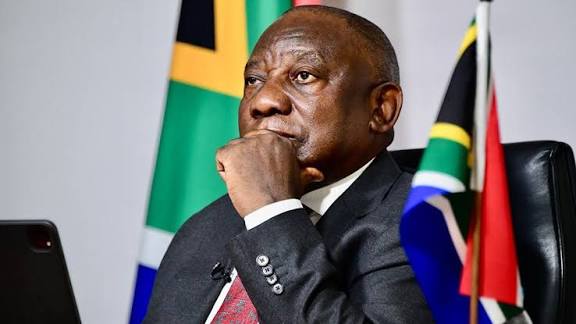
South Africa’s president, Cyril Ramaphosa. Photo Credit- Polity.org
South Africans anxious about another tax shock may finally breathe a small sigh of relief — at least for now.
Early expectations suggest the upcoming 2026 national budget will not introduce a value-added tax (VAT) hike. But tax experts warn the absence of an increase this year does not mean the idea is gone forever. Instead, government appears to be laying groundwork for stricter enforcement and future adjustments that could affect households and businesses in different ways.
Below is a full breakdown of what may — and may not — change.
Why a VAT Increase Is Unlikely in the 2026 Budget
The chaotic rollout of last year’s budget dramatically reshaped government strategy.
In 2025, policymakers attempted to raise VAT to 17%, triggering political pushback and legal challenges. The proposal was revised multiple times before finally being dropped altogether to secure parliamentary approval.
Because of that backlash, analysts now believe Treasury will avoid reopening the same debate so soon.
Tax specialists from KPMG South Africa say the government understands how politically sensitive VAT changes are, especially during a cost-of-living crisis.
However, experts insist this is only a postponement.
The debate has shifted from “if” VAT rises to “when.”
Government still views consumption tax as one of the most dependable ways to generate revenue, particularly while public finances remain strained.
Future VAT Changes Could Still Be Coming
While a rate increase may not appear in 2026, Treasury has clearly signaled its long-term intention to adjust tax collection methods.
Authorities are studying ways to cushion consumers — including expanding the list of zero-rated food items — but major changes are unlikely without a rate increase.
The bigger story is actually administrative reform.
Officials are preparing new real-time tax reporting systems that could significantly change how businesses operate.
New E-Invoicing Rules Could Affect Businesses
Government plans to introduce digital VAT reporting frameworks that allow vendors to submit tax information instantly to South African Revenue Service.
This e-invoicing model — already used in several countries — allows tax authorities to monitor transactions as they occur rather than months later.
What This Means
Businesses should prepare for:
Immediate transaction reporting
Automated compliance checks
Reduced ability to correct errors later
Faster investigations
Companies that rely on manual accounting systems could struggle once these rules take effect.
SARS Expected to Intensify Audits and Enforcement
Instead of raising tax rates, the government is expected to focus on collecting unpaid taxes.
Officials estimate roughly R800 billion in outstanding revenue remains uncollected. Because of limited fiscal capacity, authorities will likely pursue this aggressively.
Tax experts predict:
More frequent audits
Faster verification checks
Strict documentation standards
Lower tolerance for mistakes
Heavier penalties for late filings
Authorities will increasingly rely on data analytics to detect discrepancies across banking, payroll and business records.
In simple terms: being slightly non-compliant will no longer go unnoticed.
Who Will Be Targeted First?
Enforcement will mainly focus on:
Large corporations
High-income individuals
Complex tax structures
Businesses with inconsistent reporting
But ordinary taxpayers are not immune. Even small errors may trigger reviews as automation expands.
What to Watch in the Budget Speech
Finance Minister Enoch Godongwana is scheduled to present the national budget next week.
Instead of headline-grabbing tax hikes, analysts recommend listening for long-term policy signals from National Treasury, including:
future VAT intentions
compliance reforms
digital tax systems
revenue collection strategy
Those measures may affect finances far more than a single tax rate change.
FAQ
Will VAT increase in 2026?
No major increase is expected this year, but experts believe a future hike remains likely.
Why is the government avoiding a tax hike now?
Political backlash and economic pressure after the 2025 budget delays make another increase risky.
What is e-invoicing?
It’s a real-time reporting system where businesses automatically send transaction data to tax authorities.
Will ordinary taxpayers be audited more?
Yes. Advanced data matching means more people could face verification checks.
What should taxpayers do now?
Ensure records, documentation, and filings are accurate and up-to-date.