

South Africa declared November 4 a public holiday — here is Why it matters

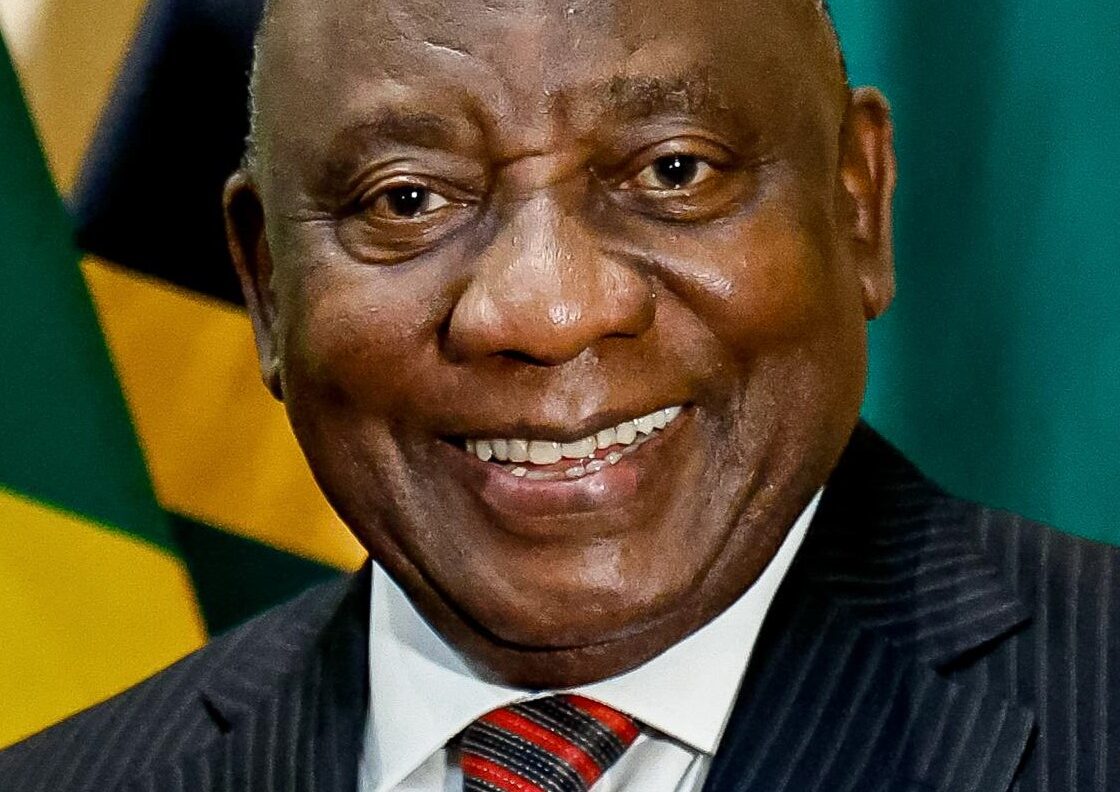
21.11.2025 – Reunião bilateral com o Presidente da República da África do Sul, Cyril Ramaphosa
South Africa has declared Wednesday, November 4, 2026, a national public holiday to allow citizens to participate in the local government elections.
President Cyril Ramaphosa made the declaration under Section 2A of the Public Holidays Act, formally confirming that election day will be observed as a public holiday across the country.
South Africa declared an election-day public holiday
The additional day off is directly linked to the 2026 municipal elections. By making November 4 a public holiday, the government aims to give voters enough time to travel to voting stations and cast their ballots without losing a working day.
Election-day public holidays have become a familiar feature of South Africa’s democratic process. They are intended to support voter access, particularly for people who work far from home or must travel to reach their registered voting station.
The announcement follows the official proclamation of November 4 as the election date by Co-operative Governance and Traditional Affairs Minister Velenkosini Hlabisa.
Ramaphosa previously announced the election date in April after consultations at the Extended Presidential Co-ordinating Council meeting.
What the law says about the public holiday
The president’s decision was made in terms of Section 2A of the Public Holidays Act.
This section allows the president to declare a particular day a public holiday across South Africa, or within a specified area, by publishing a notice in the Government Gazette.
Although the declaration was widely anticipated because previous election days have also been public holidays, the gazetting was necessary to complete the formal legal process.
The announcement means November 4 will be treated as a national public holiday, with businesses, schools and public institutions expected to make operational arrangements for the day.
2026 local elections expected to attract intense competition
The public holiday comes as political competition increases ahead of the municipal polls.
The Electoral Commission of South Africa (IEC) received 142,072 candidate nominations for the 2026 local government elections. This represents a 43% increase compared with the approximately 99,000 nominations submitted for the 2021 municipal elections.
The candidates will compete for 10,526 councillor positions across the country.
IEC chairperson Mosotho Moepya said the number of nominations demonstrates the scale of political interest in the upcoming elections.
Political parties submitted nominations for both proportional representation and ward seats, while independent candidates entered several ward contests.
IEC checks candidate eligibility
The nomination process closed at 5pm on August 28, after political parties and independent candidates submitted documents through the IEC’s online platform and manually at commission offices.
The IEC recorded submissions from:
– 299 political parties and 127 independent candidates through its online system.
– 205 political parties and 634 independent candidates through IEC offices.
– 40,241 party candidates for proportional representation seats.
– 100,856 party candidates for ward seats.
– 975 independent candidates for ward seats.
The commission must now verify whether all candidates meet the legal requirements to contest the elections.
This includes checking completed acceptance-of-nomination forms, payment of applicable deposits and proof of voter support for independent candidates.
Technical problems lead to Electoral Court challenge
The candidate nomination process has also become the subject of a legal dispute.
The ANC and other political parties are approaching the Electoral Court, claiming that technical failures in the IEC’s online nomination system prevented them from receiving submission confirmation slips.
ALSO READ: Cyril Ramaphosa faces fresh impeachment drama as South Africa’s top court reopens ‘farmgate’ scandal
The parties argue that the glitches caused some entries to appear late, despite their attempts to submit the required documents within the deadline.
The outcome of the legal challenge could influence the final candidate lists and determine whether affected submissions are accepted.
Why November 4 matters to voters
The public holiday is intended to remove some of the practical barriers that can prevent people from voting.
Workers who live away from their registered voting districts may use the day to travel. Others will have more flexibility to visit voting stations without requesting leave from work.
Voters should confirm their registration details and voting station information ahead of election day. Those travelling should also prepare for possible delays, especially in areas where voting stations are expected to be busy.
The holiday will therefore serve both a practical and democratic purpose: giving South Africans time to vote in an election that will shape the future of municipalities nationwide.
Frequently asked questions
Why has South Africa declared November 4 a public holiday?
November 4 has been declared a public holiday to allow South Africans to participate in the 2026 local government elections.
When will South Africa’s 2026 municipal elections take place?
The local government elections will take place on Wednesday, November 4, 2026.
Who declared November 4 a public holiday?
President Cyril Ramaphosa declared the day a national public holiday under the Public Holidays Act.
How many candidates will contest the 2026 local elections?
The IEC received 142,072 candidate nominations for 10,526 councillor seats.
Are the final candidate lists confirmed?
Not yet. The IEC must first scrutinise the nominations, while legal challenges could also affect the final lists.
Will November 4 be a holiday across South Africa?
Yes. The declaration applies nationally, although businesses and institutions will determine their own operational arrangements.