

10 Smart Home Innovations That Actually Save Time

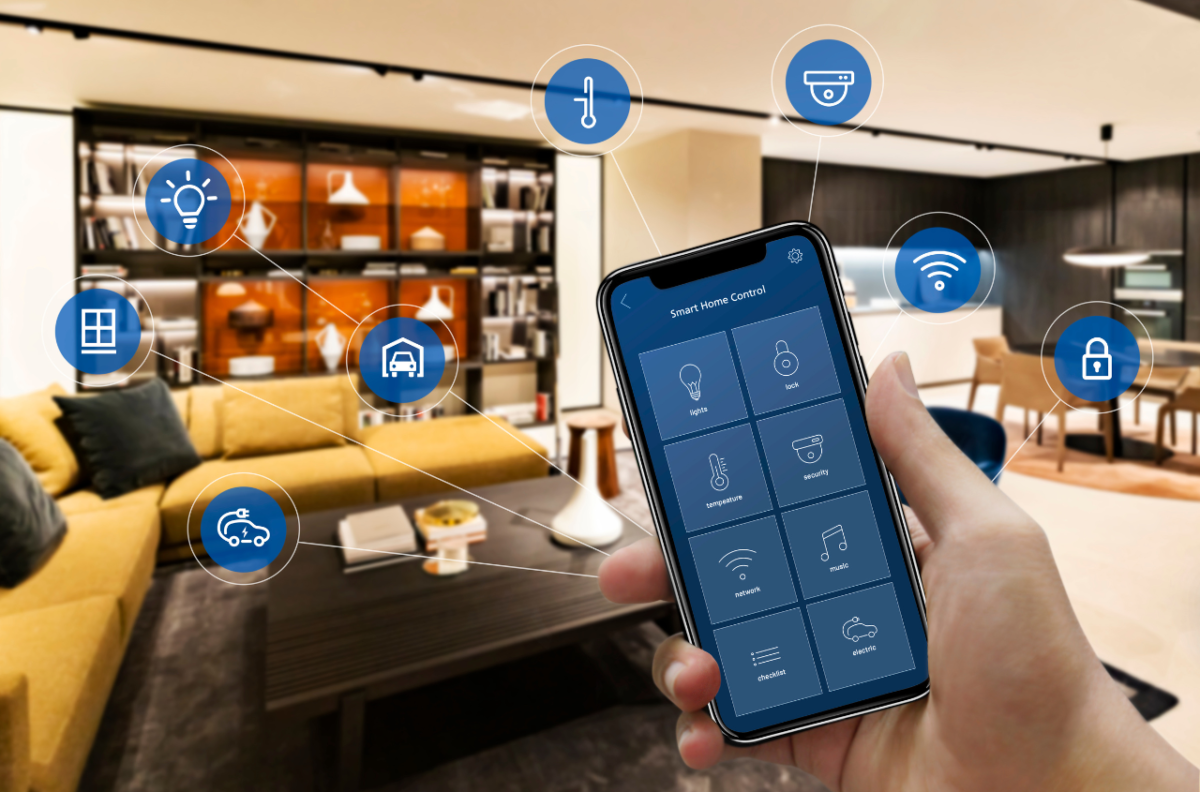
Smart home innovations that truly save time
Smart homes are no longer futuristic concepts reserved for tech enthusiasts. In 2025, smart home technology has become a practical time-saving tool for busy households, remote workers, and families juggling multiple responsibilities.
While some smart devices focus more on novelty than function, experts say a growing number of innovations now deliver real productivity gains, automating repetitive tasks and reducing daily friction. From energy management to home security, these technologies are quietly reshaping how people manage their time at home.
Here are 10 smart home innovations that actually save time, according to consumer tech analysts and smart living experts.
1. Voice-Controlled Smart Assistants
Devices like Alexa, Google Assistant, and Siri allow users to set reminders, control appliances, check schedules, and manage shopping lists hands-free. This reduces multitasking time and eliminates the need to switch between apps or devices.
2. Smart Lighting Systems
Automated lighting adjusts based on time of day, occupancy, or user routines. Motion-sensor lights and scheduled lighting reduce manual switching while improving energy efficiency and convenience.
3. Robot Vacuum Cleaners
Modern robot vacuums now map homes accurately, avoid obstacles, and clean on schedules. By automating daily floor cleaning, households reclaim hours each week previously spent on manual chores.
4. Smart Thermostats
AI-powered thermostats learn user habits and automatically adjust heating or cooling. This removes constant manual adjustments while optimizing comfort and reducing energy waste.
5. Smart Door Locks
Keyless entry systems allow homeowners to lock or unlock doors remotely, grant temporary access to guests, and monitor entry logs. This saves time searching for keys or coordinating access manually.
READ ALSO
7 Ways Wearable Tech Improves Daily Productivity
7 Signs Your Digital Footprint Is Too Big
6. Automated Security Systems
Smart security cameras and alarms provide real-time alerts, remote monitoring, and automated responses. Instead of constant manual checks, homeowners receive instant updates, saving both time and stress.
7. Smart Kitchen Appliances
From app-controlled ovens to smart refrigerators that track inventory, kitchen automation streamlines meal prep and grocery planning. Some appliances even suggest recipes based on available ingredients.
8. Smart Plugs and Power Strips
These devices automate power control for everyday electronics. Users can schedule devices to turn off automatically, reducing unnecessary monitoring and energy consumption.
9. Smart Washing Machines and Dryers
Modern laundry appliances notify users when cycles are complete, suggest optimal settings, and even start loads remotely. This minimizes idle time and repeated checks.
10. Centralized Smart Home Hubs
Instead of managing multiple apps, smart hubs integrate all connected devices into one platform. Centralized control significantly reduces time spent navigating different systems.
Industry experts note that the true value of smart home technology lies not in flashy features, but in consistent time savings and reduced mental load. As remote work and hybrid lifestyles continue to grow, efficient home automation is becoming less of a luxury and more of a necessity.
FAQ
Do smart home devices really save time?
Yes. When used strategically, smart home devices automate repetitive tasks like cleaning, lighting, and temperature control, saving hours each week.
Which smart home device saves the most time?
Robot vacuum cleaners and voice assistants consistently rank highest for time savings due to daily automation and hands-free control.
Are smart homes worth the investment?
For many households, the time saved, improved efficiency, and reduced stress justify the initial cost, especially for busy professionals and families.
Can smart home devices increase productivity?
Yes. By reducing household management tasks, smart home systems free up mental and physical energy for work and personal activities.
Are smart home systems difficult to use?
Most modern systems are user-friendly and designed for simple setup. Centralized hubs further reduce complexity.
Do smart homes increase energy efficiency?
Smart thermostats, lighting, and power controls optimize usage automatically, leading to lower energy consumption and reduced utility bills.
Is smart home technology secure?
Reputable brands prioritize encryption and regular updates. Users should also follow best practices like strong passwords and secure networks.