

Why was Sheikh Hasina sentenced to death? Inside the explosive crimes against humanity verdict shaking Bangladesh

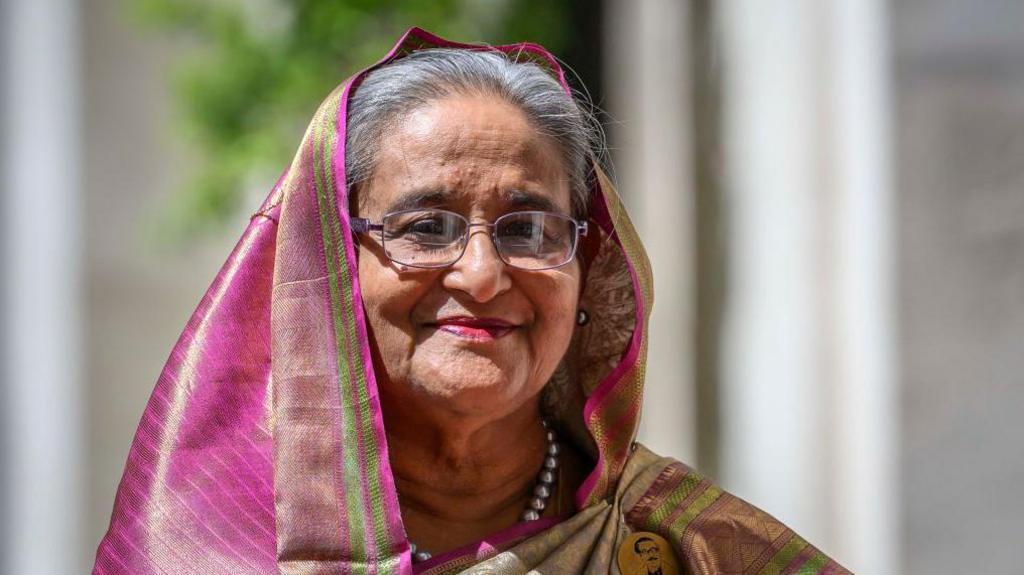
Former Bangladeshi PM Hasina pictured reviewing a guard of honour during her visit to Thailand last year. Image Source: Reuters
Bangladesh has plunged into a new era of political turmoil after a Dhaka court sentenced ousted prime minister Sheikh Hasina to death in absentia. The explosive verdict, delivered by a three-judge panel of the International Crimes Tribunal, found Hasina guilty of crimes against humanity, including incitement to kill protesters and authorizing lethal force during last year’s massive student-led uprising.
The ruling marks one of the most dramatic political reversals in South Asian history. Once celebrated for ushering Bangladesh into an era of economic growth, Hasina is now condemned in a courtroom that echoed with applause from the families of slain protesters.
Crackdown on Student Uprising at the Center of the Verdict
Prosecutors accused Hasina of directly overseeing a violent state crackdown between July and August of last year, when a student movement rapidly transformed into a nationwide revolt, later known as the “July Revolution.” According to the UN human rights office, as many as 1,400 people were killed, with up to 25,000 injured.
The tribunal determined that Hasina had “incited extrajudicial killings,” ordered lethal attacks, and failed to take any action to prevent widespread atrocities. The judges cited her alleged instructions to use drones, helicopters and live ammunition against demonstrators, calling her the “mastermind and superior commander” of the violence.
One of the most defining moments presented in the trial was the death of Abu Sayeed, a university student killed at close range, an incident captured on video and shared globally, becoming a symbol of state brutality.
READ ALSO
A Trial in Absentia as Hasina Remains in Exile in India
Hasina fled Bangladesh in August 2024 and has since lived under protection in New Delhi. India has so far ignored formal extradition requests from the interim Bangladeshi government led by Nobel laureate Muhammad Yunus, arguing that the case raises questions about due process.
In a statement released through the Awami League, Hasina condemned the verdict as “rigged, biased and politically motivated.” She argued that she was denied a fair trial and defended her actions as necessary to restore order during national unrest.
Despite international concern about the tribunal’s fairness, including criticism from Human Rights Watch, the Yunus government maintains the court operated transparently, broadcasting much of the proceedings live.
Celebrations, Clashes and a Nation on Edge
Dhaka erupted with emotion following the verdict. Some crowds gathered to celebrate, waving flags and distributing sweets, while others escalated protests. A bomb was thrown near the courthouse just hours before sentencing.
In a symbolic act of defiance, demonstrators descended on the demolished home of Hasina’s father, independence leader Sheikh Mujibur Rahman, chanting: “Break it down and burn it!” Security forces responded with batons as unrest spread.
Authorities have heightened nationwide security as fears grow that the verdict could trigger further instability ahead of February’s crucial national elections.
Political Future Uncertain as Bangladesh Heads Toward Elections
The once-dominant Awami League has been banned from political activity. Many of its leaders remain jailed or in hiding abroad. Hasina’s son, Sajeeb Wazed, warned that elections without the party would be blocked, saying protests may turn violent if the ban is not lifted.
Analysts warn that Bangladesh faces a dangerous crossroads. While supporters of the interim government view Hasina’s conviction as long-overdue accountability, critics argue the proceedings deepen the country’s political divides and risk destabilizing the electoral process.
FAQ
1. Why was Sheikh Hasina sentenced to death?
She was convicted of crimes against humanity for allegedly inciting killings, ordering lethal crackdowns, and failing to stop atrocities committed during the 2024 student uprising.
2. How many people died during the crackdown under Hasina?
The UN estimates up to 1,400 deaths and 25,000 injuries, making it Bangladesh’s worst political violence since 1971.
3. Where is Sheikh Hasina now?
She is living in self-imposed exile in New Delhi, India, under protection since fleeing Bangladesh in August 2024.
4. Why wasn’t Sheikh Hasina present at her trial?
She was tried in absentia because she fled the country. India has so far refused to extradite her despite formal requests from Bangladesh.
5. Did Sheikh Hasina deny the charges?
Yes. She called the tribunal “rigged” and “politically motivated,” claiming she acted in good faith to restore order.
6. What court sentenced Hasina?
Bangladesh’s International Crimes Tribunal (ICT), a domestic court originally formed under Hasina’s own government.
7. What sparked the student uprising?
It began with protests over civil service job quotas and escalated into a nationwide movement demanding Hasina’s resignation.
8. What is the July Revolution?
The term refers to the massive nationwide uprising in July 2024, led primarily by students, that ultimately toppled Hasina.
9. When are Bangladesh’s next elections?
National elections are expected in February 2026, raising concerns about stability following the verdict.
10. What happens next for the Awami League?
The party remains banned, with many leaders jailed or in hiding. Its future depends on whether the interim government lifts restrictions.