

MK Party moves to strip Shamila Batohi of pension as Nkabinde Inquiry fallout deepens

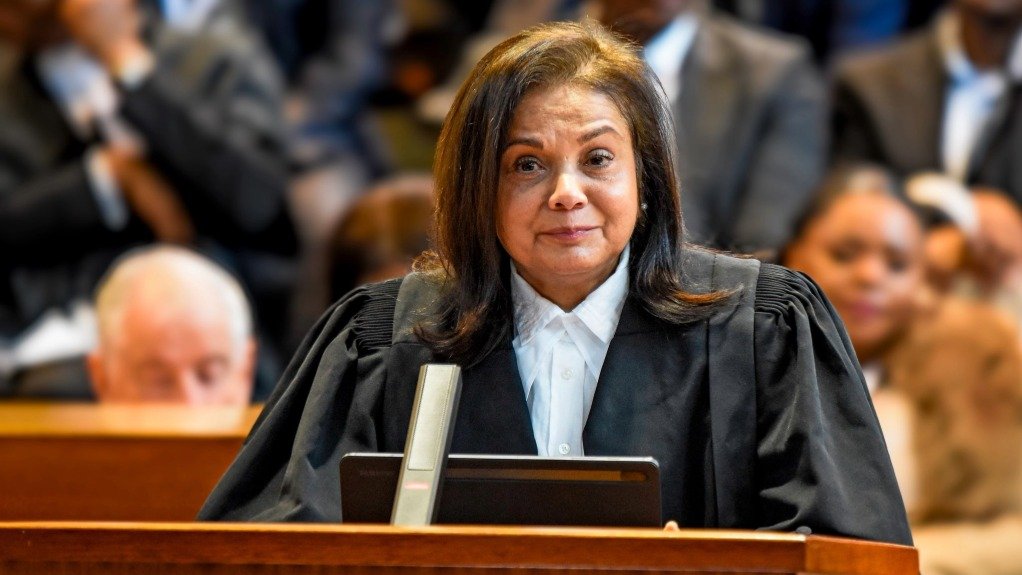
Shamila Batohi. Image Source: Polity
Former National Director of Public Prosecutions Shamila Batohi faces renewed political and legal pressure after the MK Party filed court papers seeking to strip her of her pension and post-retirement benefits. The application, lodged in the Pretoria High Court, also challenges the legality of funding her legal representation in the ongoing Nkabinde Inquiry.
The move marks a dramatic escalation in the fallout from Batohi’s controversial walkout from the inquiry late last year, an incident that continues to generate debate about accountability, constitutional obligations and prosecutorial governance.
Court Application Targets Pension and Legal Funding
In its urgent application, the MK Party argues that any decision to authorise payment of Batohi’s pension and gratuities would be unlawful while questions remain about her conduct in office.
The party is asking the court to:
- Direct President Cyril Ramaphosa to establish a commission of inquiry into Batohi’s alleged misconduct
- Halt payment of her pension pending the outcome of legal proceedings
- Require security for any benefits paid should misconduct later be confirmed
Batohi officially retired as National Director of Public Prosecutions on January 30, 2026, and was due to receive her pension in March.
According to the MK Party’s acting parliamentary leader Des van Rooyen, the matter involves “the exercise of public power at the highest level” and concerns the responsible use of public funds.
What Sparked the Legal Challenge?
The controversy stems from Batohi’s testimony before the Nkabinde Inquiry, established in September 2025 by President Ramaphosa.
The inquiry, chaired by Justice Bess Nkabinde, was created at Batohi’s own request to investigate the fitness of Gauteng NPA head Andrew Chauke to hold office. Batohi is the main complainant against Chauke and was the inquiry’s first witness.
However, during cross-examination in December 2025, Batohi informed the panel she would not return after a lunch adjournment until she secured independent legal representation rather than being represented by the NPA’s legal team.
Justice Nkabinde criticised the move as disrespectful, while Batohi maintained she was not refusing to testify but merely seeking appropriate legal counsel.
Her request for state-funded personal representation was rejected by the solicitor-general and later declined by Justice Minister Mmamoloko Kubayi.
The inquiry has since been delayed.
Comparisons to Jacob Zuma’s Commission Walkout
Legal analysts have drawn parallels between Batohi’s departure and former President Jacob Zuma’s walkout from the State Capture Commission in 2020.
Zuma was later found guilty of contempt of court by the Constitutional Court and sentenced to 15 months in prison for defying an order to testify.
Some legal commentators argue that if Batohi is found to have defied the inquiry’s authority while under oath, similar contempt proceedings could theoretically be pursued. However, no such finding has yet been made.
The inquiry’s spokesperson confirmed that Batohi remains under oath and that the panel retains authority to regulate its proceedings.
READ ALSO
Colleen Makhubele quits MK Party: Shock resignation deepens Zuma’s opposition turmoil
SIU bombshell: R16 million visa bribes, fake permits and a ‘marketplace’ at Home Affairs exposed
Allegations of Governance Failures
Beyond the walkout, the MK Party’s court papers cite broader concerns about Batohi’s tenure at the helm of the National Prosecuting Authority.
The application references:
- The withdrawal of racketeering charges against former KwaZulu-Natal Hawks head Johan Booysen
- Delegation practices within the NPA
- Oversight and evidentiary standards
- The handling of high-profile prosecutions
During her testimony, Batohi acknowledged that she did not personally study all 23 dockets before reversing racketeering charges, explaining that National Directors rely on internal memoranda and reports rather than reviewing entire case files.
Critics argue this raises questions about prosecutorial oversight, while supporters contend that such delegation is consistent with the NDPP’s administrative role.
The MK Party also referenced concerns about the NPA’s response to other sensitive cases and oversight matters during Batohi’s tenure.
Mounting Scrutiny From Political and Civil Groups
Batohi is facing pressure from multiple quarters.
ActionSA has formally requested her suspension in the past and considered legal avenues related to alleged contempt issues. Meanwhile, former Truth and Reconciliation Commission commissioner Yasmin Sooka has called for scrutiny over delays in apartheid-era prosecutions.
Despite the criticism, Batohi has not been criminally charged.
The NPA has declined to comment while the inquiry is underway, stating that any recommendations made by the inquiry will be considered in due course.
What Happens Next?
The MK Party has asked the High Court to treat its application as urgent.
If the court grants relief, it could trigger a separate commission of inquiry into Batohi’s conduct and potentially suspend pension payments pending its findings.
If dismissed, Batohi’s pension will proceed as scheduled.
The case raises broader questions about post-retirement accountability for constitutional office bearers and whether benefits can or should be withheld while misconduct allegations are being tested.
As the Nkabinde Inquiry continues, its eventual findings may significantly shape the future of prosecutorial leadership and public trust in South Africa’s justice system.
FAQ
Why is the MK Party trying to block Shamila Batohi’s pension?
The MK Party argues that serious allegations raised during the Nkabinde Inquiry warrant further investigation before any pension or post-retirement benefits are paid.
What is the Nkabinde Inquiry?
The Nkabinde Inquiry was established in September 2025 to examine the fitness of Advocate Andrew Chauke to hold office as Gauteng head of the NPA. Shamila Batohi is the main complainant and a key witness.
Why did Shamila Batohi leave the inquiry?
Batohi paused her testimony in December 2025, stating she would not continue without independent legal representation. She denies walking out unlawfully and says she was asserting her right to counsel.
Could Batohi face contempt charges?
Legal experts have suggested that refusing to testify while under oath could raise contempt issues. However, no court has made such a ruling against her.
Can a retired NDPP lose their pension?
In principle, pension benefits may be challenged if misconduct is proven through legal or constitutional processes. This would depend on court rulings and applicable statutory provisions.
Has Shamila Batohi been criminally charged?
No. She has not been criminally charged. She is currently subject to legal and oversight scrutiny linked to the inquiry.
What role does President Ramaphosa play in this matter?
The MK Party is asking the court to direct the President to establish a commission of inquiry into Batohi’s conduct.
When will the court hear the MK Party’s application?
The party has requested urgent consideration. A hearing date is expected to be scheduled by the Pretoria High Court.