

Seplat Energy strike ends suddenly as PENGASSAN returns to negotiation table

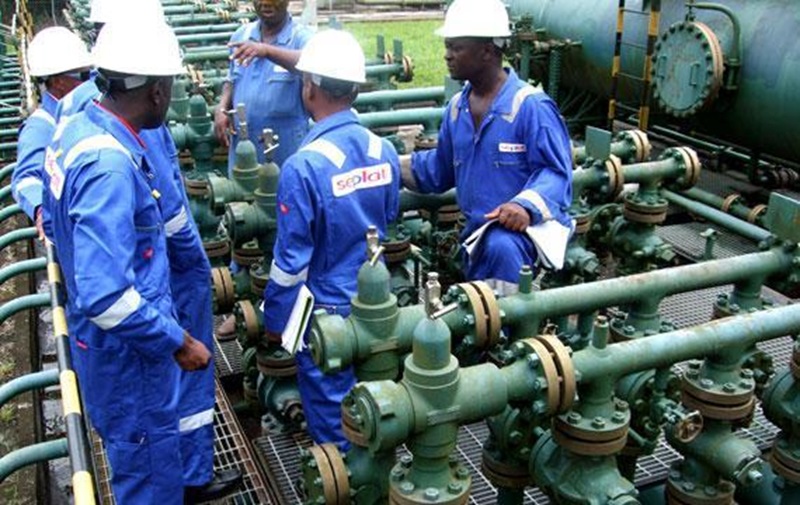
Seplat Energy workers suspend strike as talks resume after NNPCL mediation
Workers at Seplat Energy have suspended their industrial action after a brief but high-stakes disruption that raised fresh concerns over Nigeria’s oil and gas output. The suspension followed renewed negotiations between the company and the Petroleum and Natural Gas Senior Staff Association of Nigeria, with government-backed mediation helping to break the deadlock.
The strike, which began on Friday, was triggered by a breakdown in talks over the 2026 Collective Bargaining Agreement (CBA) and unresolved staff welfare concerns. The action affected key operations and had threatened to disrupt production reporting and export activities at one of Nigeria’s most strategically important indigenous energy producers.
By Saturday, however, the union confirmed that the action had been called off after Seplat management made fresh written commitments and agreed to continue negotiations within an agreed framework. The decision has brought immediate relief to the sector, but the dispute is not fully over, with both parties now under pressure to finalise outstanding issues in the coming days.
Why Seplat Energy workers went on strike
The industrial action was led by PENGASSAN after negotiations over the company’s 2026 CBA stalled. According to reports, union members cited staff welfare issues, pay-related concerns, and unresolved bargaining terms as the key reasons behind the strike.
Before the suspension, workers had planned to halt most operational activities, including production reporting and export processes, while maintaining only critical safety and power functions. This structure is common in energy-sector strikes, where unions often preserve essential safety operations even while withdrawing broader services.
Because Seplat is Nigeria’s largest independent oil and gas producer, the walkout immediately sparked fears that a prolonged shutdown could hit crude supply, weaken production stability, and complicate efforts to maximise output during a period of heightened global oil market pressure.
How NNPCL intervention helped suspend the strike
The breakthrough appears to have come after the involvement of the Nigerian National Petroleum Company Limited. Reports indicate that discussions involving PENGASSAN, Seplat management, and other stakeholders were strengthened by the intervention of the Executive Vice President, Business Services at NNPCL, who played a key role in reopening talks.
Following those engagements, PENGASSAN said Seplat management provided written commitments addressing the union’s concerns. The union then directed members across the company’s locations and offshore assets to return to work immediately while negotiations continue.
Seplat also confirmed that operations were restarting across its locations and said the suspension was intended to allow both sides to conclude discussions on the remaining issues within an agreed process.
READ ALSO
What happens next: April 13 deadline becomes critical
Although the strike has been suspended, the core dispute remains partially unresolved. Both parties are expected to continue talks with the aim of finalising, concluding, and signing the 2026 CBA within days, with reports pointing to April 13, 2026, as the key target date for resolving outstanding welfare matters.
That deadline is now central to market confidence. If Seplat and PENGASSAN reach an agreement on time, the episode may be remembered as a short-lived labour flashpoint. But if negotiations drag or collapse again, analysts and industry watchers will likely begin to worry about renewed disruption to upstream activity.
The situation is particularly important because Seplat has ambitious production plans for 2026. Reuters reported that the company is targeting up to 155,000 barrels of oil equivalent per day this year, up from an average of 131,506 boepd in 2025, underscoring why any labour instability could have outsized implications for the wider energy market.
Why the Seplat strike matters for Nigeria’s oil sector
Even though the strike lasted only a short time, it highlighted how sensitive Nigeria’s oil and gas sector remains to labour disputes. Seplat is not just another operator; it is a major indigenous producer with significant onshore and offshore assets, and it also plays an important role in domestic gas supply.
A prolonged shutdown at Seplat could have had ripple effects across crude production, export schedules, upstream operations, and domestic energy stability. That is why the quick suspension of the strike was welcomed across the sector, especially as Nigeria continues to push for stronger output and revenue generation.
The dispute also reinforces a broader trend: government-backed mediation is increasingly becoming a stabilising force in high-impact energy-sector labour conflicts, especially when production risks are involved.
A familiar pattern: PENGASSAN’s second major strike in months
This is not the first major labour confrontation involving PENGASSAN in recent months. The union was also involved in a significant industrial dispute with Dangote Refinery in late 2025, when it protested the dismissal of more than 800 workers and directed members across international oil companies to scale down gas production and supply. That action was later suspended after negotiations.
That recent history adds extra weight to the Seplat dispute. It suggests that wage, welfare, and bargaining tensions remain a live issue in Nigeria’s energy value chain, and that unions are increasingly willing to act quickly when negotiations stall.
For now, the immediate crisis has eased. But the real test will be whether the company and union can turn this temporary truce into a durable agreement before the April 13 timeline expires.
FAQ: Seplat Energy Workers Strike
1. Why did Seplat Energy workers go on strike?
Seplat Energy workers, under PENGASSAN, went on strike after negotiations over the 2026 Collective Bargaining Agreement (CBA) broke down. The union said the dispute involved pay-related concerns and staff welfare issues.
2. Has the Seplat Energy strike been suspended?
Yes. PENGASSAN confirmed on April 4, 2026, that the strike had been suspended, and Seplat also said operations were resuming across its locations.
3. What led to the suspension of the Seplat strike?
The strike was suspended after renewed negotiations, written commitments from Seplat management, and intervention by NNPCL stakeholders, which helped both sides return to the table.
4. Did NNPCL intervene in the Seplat Energy strike?
Yes. Reports say the intervention of the Executive Vice President, Business Services at NNPCL played a major role in helping resolve the immediate standoff and reopen talks.
5. Are Seplat operations back to normal?
Seplat said operations were recommencing across its locations after the union suspended the strike. However, full normalisation depends on the successful conclusion of the ongoing talks.
6. What is the 2026 CBA at Seplat Energy?
The 2026 Collective Bargaining Agreement (CBA) is the labour agreement being negotiated between Seplat management and PENGASSAN. It covers issues such as wages, welfare, benefits, and working conditions for affected workers.
7. When is the deadline for Seplat and PENGASSAN to conclude talks?
Reports indicate both sides are expected to resolve outstanding issues and conclude negotiations by April 13, 2026.
8. Could the Seplat strike affect Nigeria’s oil production?
Yes. A prolonged strike could have disrupted production reporting, export activity, and broader upstream operations, which is why the dispute drew significant attention. Seplat is a major player in Nigeria’s oil and gas sector.
9. How important is Seplat Energy to Nigeria’s oil and gas sector?
Seplat is one of Nigeria’s leading independent oil and gas producers. Reuters reported that it aims to produce up to 155,000 barrels of oil equivalent per day in 2026, up from 131,506 boepd in 2025, making it strategically important to national output.
10. Is this the first recent strike involving PENGASSAN?
No. PENGASSAN was also involved in a major labour dispute with Dangote Refinery in 2025, though that strike was later suspended after negotiations.