

Sean Hughes £4 Million Estate finally awarded to shelter after 10-year Will battle: High Court ends charity inheritance saga

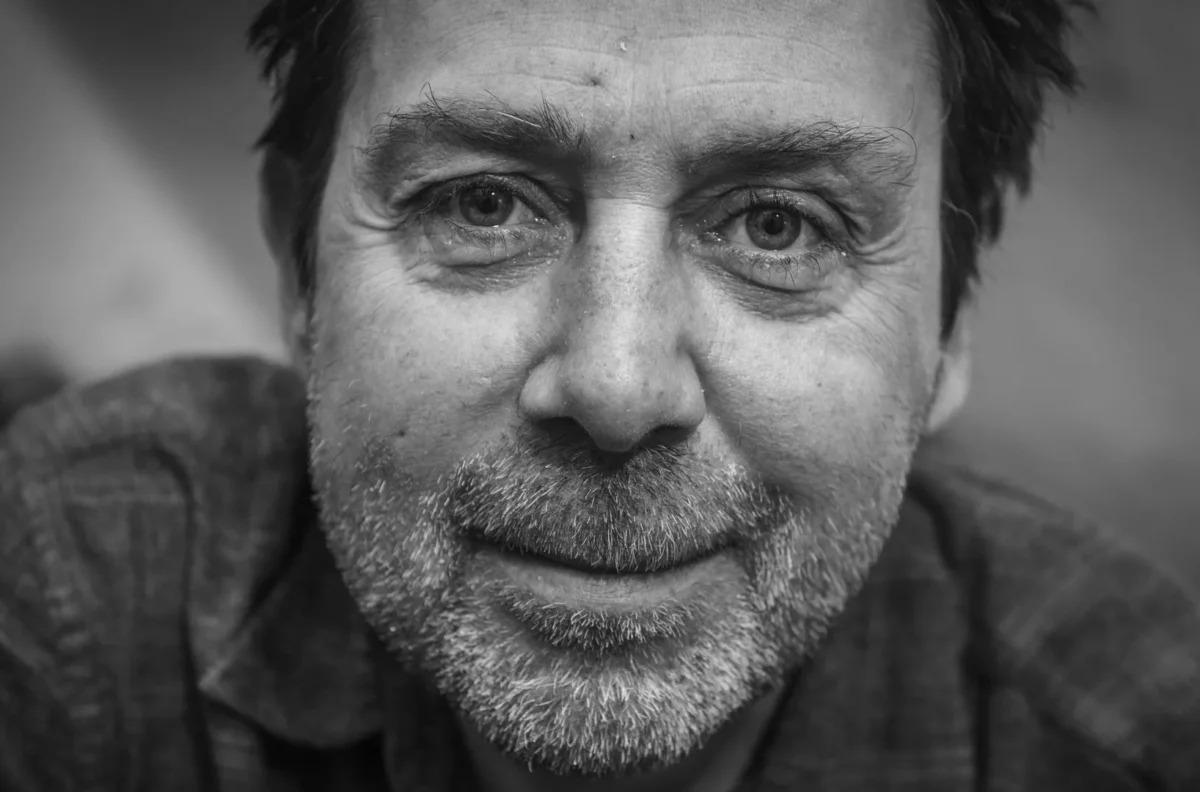
Sean Hughes £4m estate is finally awarded to Shelter after court ruling. Image Credit: Rex/Shutterstock
Nearly a decade after the death of beloved comedian Sean Hughes, a High Court judge has ruled that his £4 million estate should be handed to homelessness charity Shelter, finally bringing an end to a long-running legal dispute over the late star’s hand-written, home-made will.
The ruling marks the conclusion of a deeply personal and closely watched case involving the Never Mind the Buzzcocks regular, whose intention to support Shelter had been clear to both his family and the charity, but whose wording in a DIY will created a legal complication that required judicial intervention.
For fans of the Irish comic and observers of celebrity probate cases, the outcome is both emotionally significant and legally notable: Sean Hughes’ final wish has now been formally honoured.
High Court Rules Sean Hughes’ Properties Must Go to Shelter
A judge in London has ruled that the three north London properties at the centre of the dispute should pass to Shelter, the housing and homelessness charity Sean Hughes strongly supported during his lifetime.
The estate included Hughes’ former £1.8 million home in Glasslyn Road, Crouch End, along with two other nearby properties in Edison Avenue and Elder Avenue, valued at approximately £1.5 million and £650,000 respectively. Combined, the property assets pushed the total estate value to around £4 million.
The legal problem stemmed from the wording in Hughes’ will, which referred to “my three houses to Shelter.” In reality, Hughes directly owned only one of those homes. The other two were held in the name of a company in which he was the sole shareholder.
Because of that distinction, the case had to be referred to the High Court to determine whether the company shares, and therefore the two additional properties, should also pass to Shelter.
In the end, Master Iain Pester ruled that the “correct construction of the will” meant the shares should indeed go to the charity, effectively ensuring all three properties are transferred in line with Hughes’ apparent intention.
Why Sean Hughes’ Will Triggered a 10-Year Legal Battle
The lengthy probate saga was not driven by family conflict, but by technical legal ambiguity.
According to reports, Sean Hughes used an online platform to draft his will without formal legal assistance. While his intention to leave significant assets to Shelter was widely understood, the informal wording created uncertainty under inheritance law.
Importantly, both Sean Hughes’ family and Shelter reportedly agreed that the charity was the rightful beneficiary. However, because the two additional properties were owned through a company structure rather than in Hughes’ personal name, the court still needed to decide whether the wording in the will covered the shares in that company.
Had the judge ruled otherwise, the two properties could have fallen into the residuary estate, to be held on trust for Hughes’ wider family instead.
That did not happen, and the court’s interpretation now cements what many saw as the comedian’s unmistakable charitable intent.
Sean Hughes’ Legacy: From Comedy Trailblazer to Never Mind the Buzzcocks Star
The ruling has renewed public interest in Sean Hughes’ life and career, reminding fans why he remains one of the most distinctive voices in British and Irish comedy.
Born in Archway, north London, to Irish parents and raised largely in Dublin, Hughes emerged from the 1980s alternative comedy scene and quickly established himself as one of the era’s breakout talents.
He became the youngest winner of the Perrier Comedy Award at just 24, thanks to his acclaimed 1990 show A One-Night Stand with Sean Hughes. His career then expanded into television, where he fronted the cult Channel 4 series Sean’s Show and later became a familiar face as team captain on BBC’s Never Mind the Buzzcocks.
Between 1996 and 2002, Hughes appeared in 91 episodes across 10 series of the music panel show, starring opposite Phill Jupitus during the Mark Lamarr era. Beyond stand-up and TV, he also wrote novels, poetry collections, and presented radio on BBC 6 Music.
READ ALSO
Len Deighton dies at 97: How The Ipcress File author changed spy fiction forever
Sean Hughes Died in 2017 Aged 51
Sean Hughes died in October 2017 at the age of 51 after suffering a cardiac arrest. It later emerged that he had been dealing with late-stage liver disease.
His death prompted widespread tributes across the comedy world, with fellow performers and fans remembering him as a groundbreaking, deeply original comic voice whose work helped reshape modern stand-up.
The latest ruling adds a poignant final chapter to that legacy, one that links his name not only to comedy, but to a major charitable gift aimed at tackling the UK’s housing crisis.
Shelter Says Sean Hughes’ Gift Will Help Fight the Housing Emergency
Following the ruling, Shelter welcomed the outcome and said the donation would help fund vital services for people affected by homelessness and housing insecurity.
The charity said gifts left in wills are a critical source of funding, helping it provide expert support, advice, and campaigning work for people facing unsafe housing conditions or homelessness.
For many supporters, the court decision ensures that Sean Hughes’ estate will now do exactly what he appears to have intended: support vulnerable people in need of safe and secure housing.
Why the Sean Hughes Estate Case Matters
The Sean Hughes estate case is likely to resonate far beyond celebrity news because it highlights a growing issue: the legal risks of DIY wills and unclear wording in estate planning.
Even where family members and charities agree on the intended outcome, ambiguous language can still force expensive and lengthy court proceedings. In Hughes’ case, it took nearly 10 years to resolve a dispute that might have been avoided with more precise legal drafting.
That makes this not only a story about a famous comedian’s final act of generosity, but also a cautionary tale about inheritance law, probate, and charitable bequests.
In the end, however, the final judgment delivers a powerful conclusion: Sean Hughes’ £4 million estate will now help Shelter continue its work for people facing homelessness, exactly as he wanted.
FAQ
Who was Sean Hughes?
Sean Hughes was a London-born Irish comedian, writer, actor and broadcaster. He rose to prominence in the late 1980s and early 1990s as part of the alternative comedy scene and became the youngest winner of the Perrier Comedy Award. He was also widely known for Sean’s Show and as a long-running team captain on Never Mind the Buzzcocks.
Why is Sean Hughes trending in 2026?
Sean Hughes is trending because a High Court judge has finally ruled that his £4 million estate should be awarded to Shelter, ending a nearly 10-year legal battle over the wording of his home-made will.
What happened to Sean Hughes’ £4 million estate?
Sean Hughes’ estate, including three north London properties valued at around £4 million, has been awarded to Shelter, the homelessness charity he intended to benefit in his will.
Which charity inherited Sean Hughes’ estate?
The charity that inherited the estate is Shelter, one of the UK’s leading homelessness and housing charities.
Why was Sean Hughes’ will disputed?
The will was disputed because Sean Hughes used a DIY online will with wording that referred to “my three houses to Shelter.” Legally, he only directly owned one house. The other two properties were held through a company, which created uncertainty over whether those assets were included.
Why did the Sean Hughes estate case go to the High Court?
The case went to the High Court because a judge needed to interpret the wording of the will and decide whether the company shares, and therefore the two additional properties, should pass to Shelter.
What did the judge decide in the Sean Hughes will case?
The judge, Master Iain Pester, ruled that the correct legal interpretation of the will was that the shares in the company should pass to Shelter, meaning all three properties go to the charity.
How much was Sean Hughes’ estate worth?
Reports place the total estate value at approximately £4 million, including:
- £1.8 million home in Glasslyn Road, Crouch End
- £1.5 million property in Edison Avenue
- £650,000 flat in Elder Avenue
Where were Sean Hughes’ properties located?
The properties were located in Crouch End, north London, specifically in:
- Glasslyn Road
- Edison Avenue
- Elder Avenue
Did Sean Hughes’ family challenge the will?
There is no indication of a hostile family challenge in the reporting. In fact, reports say Sean Hughes’ family agreed that Shelter was the correct beneficiary. The issue was primarily a matter of legal interpretation rather than family opposition.
Was Sean Hughes married or did he have children?
Reports state that Sean Hughes never married. The supplied coverage does not indicate that he had children.
How did Sean Hughes die?
Sean Hughes died in October 2017 after suffering a cardiac arrest. It was later reported that he had been living with late-stage liver disease.
How old was Sean Hughes when he died?
Sean Hughes was 51 years old when he died in 2017.
What is Shelter and why did Sean Hughes support it?
Shelter is a UK homelessness and housing charity that provides support, legal advice, and campaigns for access to safe housing. Sean Hughes reportedly cared deeply about the cause, which is why he intended to leave his properties and estate assets to the organisation.
Why is the Sean Hughes will case important?
The case is significant because it shows how unclear DIY wills can lead to long legal battles, even when the deceased’s family and intended charity agree on the outcome. It is now being seen as a cautionary example of why formal legal drafting matters in estate planning.
What can people learn from the Sean Hughes estate case?
The key lesson is that home-made wills can create costly legal ambiguity. If property is held through a company or trust structure, vague wording may not be enough. Legal experts often recommend professional drafting to ensure final wishes are carried out without delay.