

Why did Saudi Arabia expel Iranian officials? Key details explained

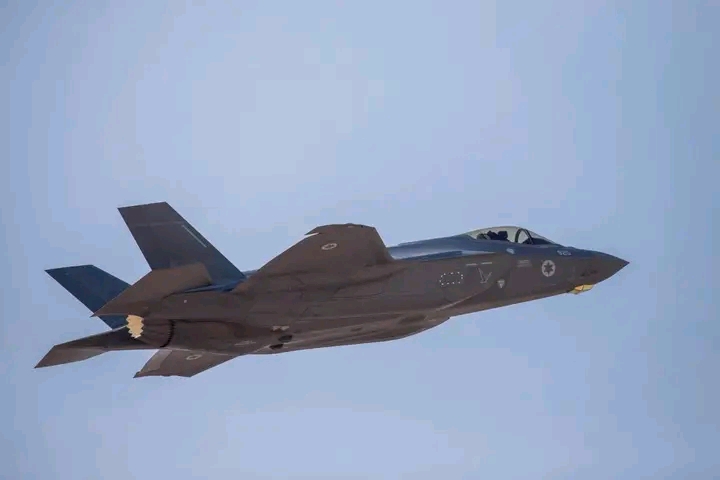
F-35I downs Iranian Yak-130 over Tehran
Tensions in the Middle East have escalated further as Saudi Arabia announced the expulsion of several Iranian military officials, accusing Iran of carrying out “blatant” attacks targeting its territory and regional allies.
The move signals a sharp deterioration in diplomatic relations, with Riyadh warning that continued aggression could have serious consequences for future ties.
Saudi Arabia Declares Iranian Officials Persona Non Grata
In an official statement released via the Saudi Press Agency, the Kingdom’s foreign ministry confirmed that multiple Iranian officials had been declared persona non grata.
Those expelled include Iran’s military attaché, assistant military attaché, and three additional diplomatic staff. Authorities have ordered them to leave the country within 24 hours.
Saudi officials said the decision was in response to repeated attacks on the Kingdom’s sovereignty, including strikes on civilian infrastructure, economic assets, and diplomatic facilities.
Saudi Arabia Accuses Iran of Violating International Law and Agreements
Riyadh strongly condemned what it described as violations of international law, citing breaches of key agreements, including the Beijing Agreement and United Nations Security Council Resolution 2817 (2026).
According to the statement, Iran’s actions undermine principles of good neighbourliness and respect for state sovereignty. The Kingdom warned that the escalation threatens regional stability and could reshape diplomatic relations moving forward.
Middle East Countries Unite to Condemn Iranian Attacks
The development comes after a high-level consultative meeting held in Riyadh, where foreign ministers from several countries jointly denounced Iran’s actions.
Participating nations included:
- Egypt
- Qatar
- United Arab Emirates
- Türkiye
- Pakistan
- Jordan
The ministers condemned missile and drone attacks allegedly carried out by Iran, which they said targeted residential areas, oil facilities, airports, and other critical infrastructure.
Iran Accused of Targeting Civilian Infrastructure Across Region
The joint statement described the attacks as deliberate and unjustifiable, stressing that civilian sites such as desalination plants, residential buildings, and diplomatic missions had been hit.
Officials warned that such actions violate international humanitarian law and risk further destabilising the region.
They also accused Iran of supporting armed groups across the Middle East, allegedly supplying funding and weapons to militias operating in Arab countries.
Saudi Arabia Signals Right to Self-Defence Under UN Charter
Saudi Arabia reiterated its right to defend itself under Article 51 of the United Nations Charter, making it clear that it could take further measures if the attacks continue.
The Kingdom emphasised that protecting its sovereignty and national security remains a top priority, especially amid rising threats to critical infrastructure and energy facilities.
Strait of Hormuz Tensions Raise Global Concerns
Another major concern raised during the meeting was the security of key global shipping routes, including the Strait of Hormuz and Bab al-Mandab.
Ministers warned Iran against any attempt to disrupt maritime navigation, noting that such actions could have far-reaching implications for global trade and energy supplies.
Call for De-escalation and Diplomatic Resolution
Despite the rising tensions, regional leaders called on Iran to immediately halt its attacks and return to diplomatic engagement.
They stressed that long-term stability in the Middle East depends on mutual respect for sovereignty, non-interference in internal affairs, and adherence to international law.
The ministers also reaffirmed their commitment to continued coordination in monitoring the situation and taking necessary steps to safeguard regional security.
FAQs
Why did Saudi Arabia expel Iranian officials?
Due to alleged attacks on its territory and infrastructure, which it says violate international law.
What does persona non grata mean?
It means a diplomat is no longer welcome and must leave the country.
Which countries condemned Iran’s actions?
Several, including Egypt, UAE, Qatar, Türkiye, Pakistan, and Jordan.
What is UN Resolution 2817 (2026)?
It calls for an immediate halt to attacks and de-escalation in the region.
Could this lead to further conflict?
There are concerns of escalation, though countries are urging diplomatic solutions.