

Five years after Sarah Everard murder: Mother’s emotional tribute as police face fresh scrutiny over sexual misconduct cases

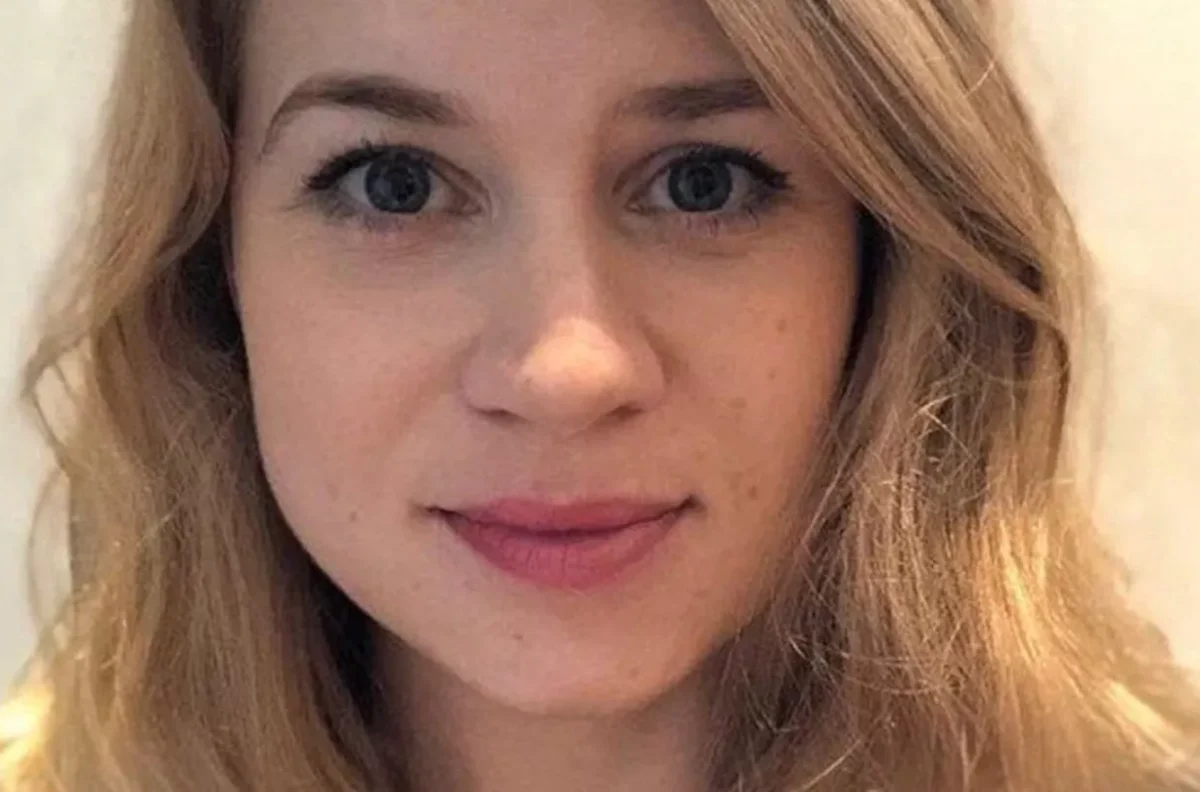
Sarah Everard remembered five years on. Image Credit: AFP PHOTO/METROPOLITAN POLICE
Five years after the murder of Sarah Everard, her family’s grief remains as powerful as ever, and the national conversation about violence against women and girls continues to evolve. On the fifth anniversary of her death, Sarah’s mother paid a heartfelt tribute to her “loving” and “principled” daughter, while new data reveals that dozens of serving police officers have been investigated for rape and sexual offences in the years since the crime that shocked Britain.
The anniversary has reignited scrutiny of policing standards, vetting procedures and the broader issue of misogyny within law enforcement.
Sarah Everard Remembered: A Mother’s Moving Tribute
Writing publicly on the fifth anniversary of her daughter’s murder, Susan Everard described Sarah as someone who “added to the beauty of the world.” She reflected on her daughter’s humour, intelligence and deep sense of justice.
Sarah, 33, had recently graduated and returned from travels in Southeast Asia when a photograph was taken of her in 2010 at V Festival. “It was a golden time,” her mother wrote, recalling how Sarah had her “whole life ahead of her.”
Susan shared memories of everyday moments she misses most, swapping recipes, hearing her daughter’s laughter, asking for advice. She described Sarah as “thoughtful, dependable and highly principled,” someone who appreciated absurd humour but was also outraged by injustice.
The Everard family, she said, continues to navigate life together while honouring Sarah’s memory and maintaining close ties with her friends.
What Happened to Sarah Everard?
Sarah Everard was abducted on 3 March 2021 while walking home to Brixton Hill in London. She was kidnapped, raped and murdered by serving Metropolitan Police officer Wayne Couzens, who falsely arrested her using his warrant card.
Couzens later pleaded guilty and is serving a whole-life prison sentence. The case exposed serious failings in police vetting and internal misconduct processes, sparking nationwide protests and calls for reform.
The Metropolitan Police has repeatedly acknowledged institutional shortcomings. Commissioner Mark Rowley has stated that Sarah “should still be alive today” and that policing failures contributed to the tragedy.
READ ALSO
Dozens of Police Officers Investigated Since 2021
Five years on, new figures reveal the scale of ongoing investigations into police misconduct across England and Wales.
A Freedom of Information investigation found that 17 of 43 police forces responded to data requests, and all confirmed they had launched criminal inquiries into sexual offence allegations against officers since 2021. Six forces reported bringing rape charges, while 15 confirmed charges for other sexual offences.
At the Metropolitan Police, more than a quarter of officers under investigation for sexual misconduct between 2021 and 2025 continued working without restrictions.
Deputy Assistant Commissioner Helen Millichap acknowledged the “incredibly awful truth” that abusers exist within policing, warning it may deter women from reporting crimes due to fear of not being believed.
Sir Mark Rowley said the force had removed 1,500 officers and staff in three years, an unprecedented figure, as part of efforts to rebuild trust.
Trust in Policing Still Under Pressure
Sarah Everard’s murder ignited a national reckoning over women’s safety and police accountability. Women’s advocacy organisations argue that systemic misogyny remains embedded in parts of policing culture.
Farah Nazeer, chief executive of Women’s Aid, said the murder exposed “entrenched misogyny within the police force,” leaving many women fearful of those meant to protect them.
An official report published last year found that a quarter of police forces in England and Wales had yet to implement basic policies for investigating sexual offences, raising fresh concerns about structural reform.
While senior officers insist progress is being made, they also acknowledge that public trust, particularly among women, has not been fully restored.
A Legacy That Continues to Shape Reform
Five years on, Sarah Everard’s name remains synonymous with a movement demanding change. Vigils held in her memory became a turning point in public discourse around women’s safety.
Her family continues to honour her life, not just the tragedy of her death. As Susan Everard wrote, Sarah was “a loving and caring young woman,” whose friendships and passions reflect the fullness of a life remembered beyond headlines.
Yet the anniversary also serves as a reminder: reform is ongoing, scrutiny remains intense, and the demand for systemic change has not faded.
FAQ
Who was Sarah Everard?
Sarah Everard was a 33-year-old marketing executive from London who was abducted and murdered in March 2021 by serving police officer Wayne Couzens. Her death sparked national protests and reform debates.
What happened to Sarah Everard?
She was kidnapped while walking home in Brixton Hill by Wayne Couzens, who falsely arrested her using his police credentials. He later raped and murdered her.
Who is Wayne Couzens?
Wayne Couzens was a serving Metropolitan Police officer at the time of the crime. He pleaded guilty and is serving a whole-life prison sentence.
How many police officers have been investigated since Sarah Everard’s murder?
Since 2021, dozens of officers across England and Wales have faced criminal investigations for rape and sexual offences. Seventeen forces confirmed launching sexual offence inquiries, with several bringing charges.
Are police officers suspended during sexual misconduct investigations?
Policies vary. While serious criminal allegations often lead to suspension, data shows some officers have continued working unrestricted during investigations.
What reforms followed Sarah Everard’s murder?
Reforms have included increased vetting, re-screening of officers, removal of hundreds of staff, and national strategies targeting violence against women and girls. However, advocacy groups argue more systemic change is needed.
Is Wayne Couzens still in prison?
Yes. Wayne Couzens is serving a whole-life sentence, meaning he will never be released.
Has public trust in the Metropolitan Police improved?
Police leaders say progress has been made, but surveys and public commentary suggest many women remain cautious about trusting law enforcement.