

SANDF deployment shock: Ramaphosa sends troops into gang war zones as crime crisis spirals in Western Cape and Gauteng

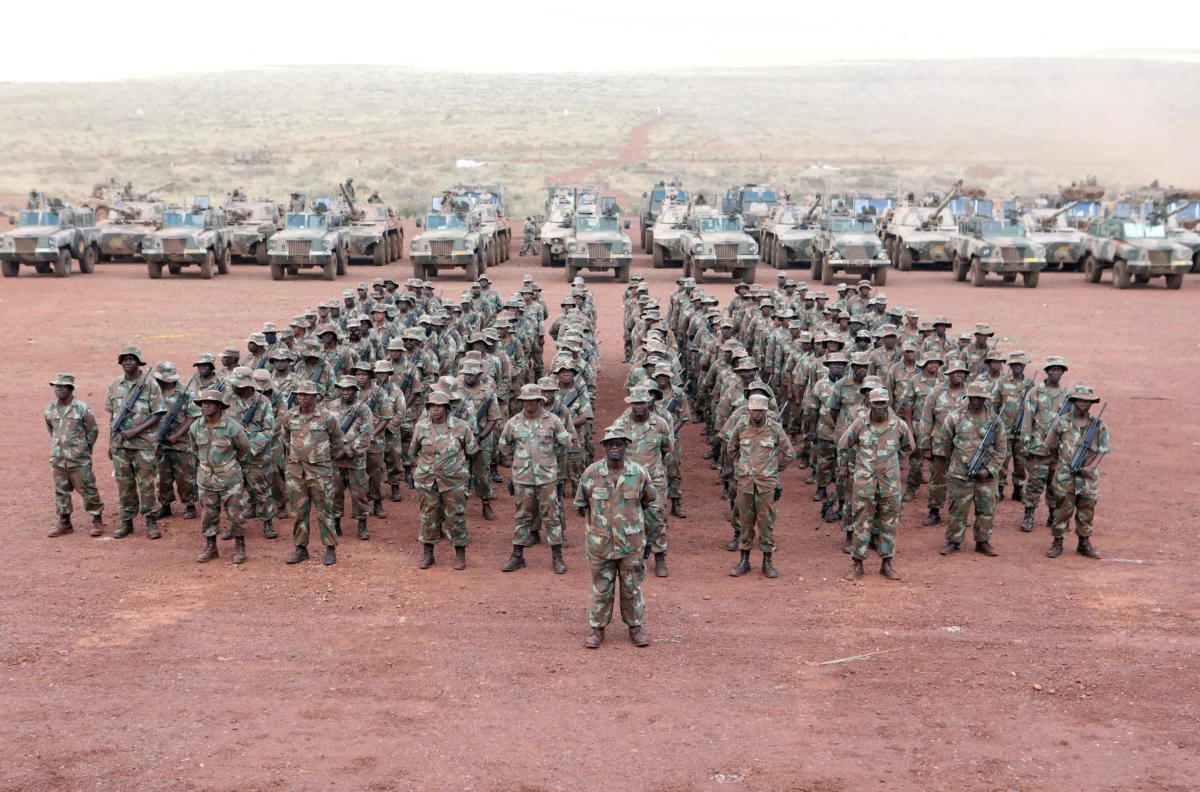
SANDF troops to support police in crime hotspots
South Africa’s escalating crime crisis has triggered a dramatic security response, with President Cyril Ramaphosa announcing the deployment of the South African National Defence Force (SANDF) to support police operations in gang-ravaged and illegal mining hotspots.
The decision, revealed during the State of the Nation Address (SONA), marks a significant policy shift as the government moves to confront organised crime described as the “most immediate threat” to democracy, society and economic stability.
The SANDF will initially be deployed in the Western Cape and Gauteng, provinces severely affected by gang warfare and illegal mining syndicates.
Why the SANDF Is Being Deployed Now
President Ramaphosa said organised crime has reached crisis levels, undermining public safety and economic development. He confirmed that he had instructed the heads of the police and army to urgently develop a coordinated deployment plan.
“Organised crime is now the most immediate threat to our democracy,” he said, stressing that the military would serve as a force multiplier to bolster overstretched police units.
This move comes weeks after Police Minister Firoz Cachalia publicly acknowledged that law enforcement agencies are not yet capable of fully defeating criminal gangs, an admission that underscored the scale of South Africa’s crime emergency.
Police statistics show that an average of 63 people were killed daily between April and September last year, placing the country among those with the highest murder rates globally.
Western Cape and Gauteng: Epicentres of Violence
The SANDF deployment will begin in two provinces experiencing distinct but equally alarming security challenges.
Western Cape: Gang Warfare Crisis
In the Western Cape, particularly in Cape Town’s gang-controlled communities, children and families are often caught in the crossfire of turf wars. The region has long battled entrenched gang networks involved in drug trafficking, extortion and violent crime.
President Ramaphosa highlighted the impact on vulnerable communities, saying children are being exposed to daily violence.
Gauteng: Illegal Mining and “Zama Zamas”
In Gauteng, the focus shifts to illegal mining operations run by heavily armed syndicates known as “zama zamas.” Authorities link these groups to organised crime networks, violent clashes and community displacement.
Residents have reported being forced out of their homes due to illegal mining activities, prompting urgent calls for decisive intervention.
READ ALSO
Eastern Cape Residents Feel Overlooked
While troops prepare to deploy in Gauteng and the Western Cape, communities in the Eastern Cape say they feel excluded from the security plan.
Residents in the northern areas of Nelson Mandela Bay, including Gqeberha, argue that gang violence in their communities is also severe and deserves similar attention.
Local voices warn that limiting military intervention to two provinces may leave other vulnerable areas exposed.
A Shift in Ramaphosa’s Position
Notably, just weeks ago President Ramaphosa ruled out deploying soldiers to assist with gang violence in Cape Town, arguing that soldiers are trained for combat rather than community policing.
The reversal suggests mounting pressure and escalating violence influenced the new decision.
Beyond the SANDF deployment, Ramaphosa announced additional crime-fighting measures, including:
- Recruiting 5,500 new police officers
- Strengthening intelligence capabilities
- Targeting organised crime syndicates
- Enhancing coordination between security agencies
These measures form part of a broader national strategy aimed at restoring public safety.
What the SANDF Deployment Means for South Africa
The involvement of the SANDF in domestic security operations signals the seriousness of the crisis. While the military’s role will be supportive rather than primary, its presence is expected to enhance operational capacity in high-risk zones.
However, questions remain about:
- The duration of deployment
- Rules of engagement
- Community relations
- Whether other provinces will receive similar intervention
Security analysts warn that military support alone cannot resolve systemic issues such as unemployment, poverty and corruption that fuel organised crime.
FAQ
Why is the SANDF being deployed in South Africa?
The SANDF is being deployed to support police in tackling escalating gang violence in the Western Cape and illegal mining syndicates in Gauteng.
What did President Ramaphosa announce about SANDF?
During the State of the Nation Address, President Ramaphosa confirmed that the South African National Defence Force would be deployed to assist police in crime hotspots.
Where will SANDF troops be deployed?
Initial deployments will focus on the Western Cape and Gauteng provinces.
What is the role of SANDF in fighting gangs?
The SANDF will act as a force multiplier, providing operational support, intelligence coordination and enhanced security presence alongside police.
What are zama zamas?
Zama zamas are illegal miners, often linked to organised crime syndicates, operating in abandoned or active mines primarily in Gauteng.
Will SANDF be deployed to the Eastern Cape?
As of now, no official announcement includes the Eastern Cape, though residents in Nelson Mandela Bay have called for intervention.
How serious is South Africa’s crime crisis?
Police data indicates an average of 63 murders per day during a recent six-month period, highlighting the severity of the crisis.
How many police officers will be recruited?
The government plans to recruit 5,500 additional police officers to strengthen law enforcement capacity.
Is military deployment common in South Africa?
Military support in domestic operations has occurred before, but such deployments are typically temporary and focused on specific crises.