

Sam Altman reveals how Millions of young people are secretly using ChatGPT for life decisions

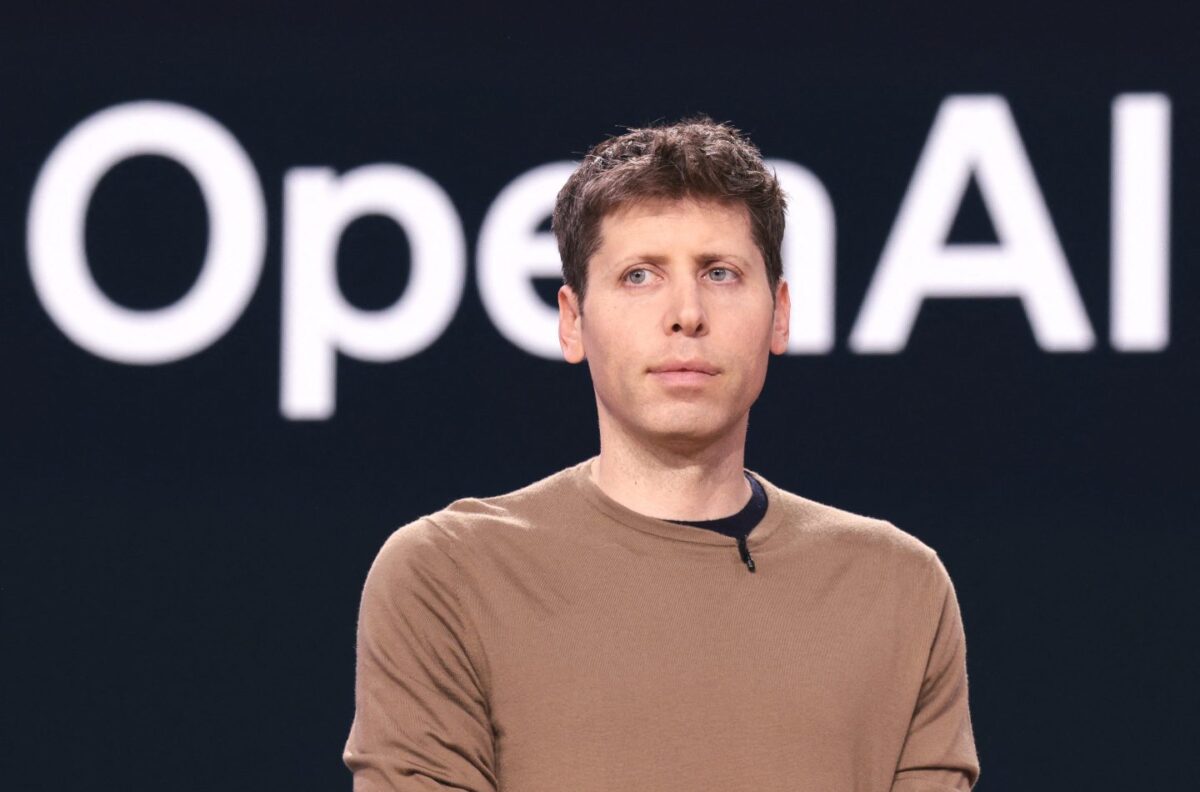
Sam Altman
Sam Altman, the CEO of OpenAI, has revealed a major shift in how younger generations are interacting with artificial intelligence, saying many young users now treat ChatGPT less like a search engine and more like a “life advisor.”
The comments, which emerged during a discussion at the Sequoia Capital AI Ascent 2025 event, have sparked fresh conversations about the growing role of AI in education, relationships, work, and personal decision-making.
According to Altman, the difference between how older adults and younger users engage with ChatGPT is becoming increasingly dramatic. While many older users reportedly rely on the chatbot as a replacement for search engines like Google, younger generations are integrating AI much deeper into their daily routines.
The revelation highlights how rapidly AI tools are evolving from simple productivity assistants into deeply personal digital companions.
Sam Altman Explains the ‘Life Advisor’ Trend
Speaking during the AI-focused conference, Altman described ChatGPT as becoming an “operating system” for many college students and young professionals.
He explained that younger users often organize files, save prompts, build workflows, and even seek personal advice through the AI platform.
According to Altman, some users now consult ChatGPT before making important life decisions because the chatbot already has context from previous conversations, including discussions about relationships, work challenges, academic plans, and personal goals.
The OpenAI chief said the shift represents a generational transformation in technology adoption.
He compared it to the rise of smartphones, noting that younger users tend to adapt to emerging technologies faster and more intuitively than older generations.
Young People Are Integrating AI Into Daily Life
Recent reports cited by OpenAI indicate that ChatGPT adoption among young adults has surged significantly over the past year.
Research referenced in the discussion showed that more than one-third of Americans aged 18 to 24 actively use ChatGPT, particularly for learning, organization, productivity, and academic support.
Many college students reportedly use the platform to summarize lecture materials, plan assignments, brainstorm projects, prepare for interviews, and manage schedules.
However, experts say the growing dependence on AI tools also raises important questions about digital literacy, critical thinking, and emotional reliance on technology.
AI Is Becoming More Than a Search Tool
The evolution of ChatGPT from a question-answering tool into a personal assistant reflects a broader transformation happening across the AI industry.
Unlike traditional search engines that simply retrieve information, modern AI systems are designed to remember context, continue conversations, and generate personalized responses.
Altman’s comments suggest OpenAI increasingly views ChatGPT as a long-term digital companion integrated into everyday life.
Technology analysts say this could reshape how people learn, communicate, and make decisions in the coming years.
Some users already rely on AI for relationship advice, productivity planning, financial suggestions, career decisions, and emotional support.
READ ALSO
Anthropic stock shock: Trump bans AI firm from Federal use as OpenAI secures Pentagon deal
Concerns Grow Over AI Dependency Among Young Users
Despite the enthusiasm surrounding AI adoption, mental health experts and educators have expressed concerns about over-reliance on chatbots for sensitive personal guidance.
Several studies cited in recent reports warned that while AI systems can simulate empathy and provide useful suggestions, they do not possess genuine emotional understanding or human judgment.
Researchers have cautioned users against treating AI responses as professional medical, legal, or psychological advice without verification from qualified experts.
Privacy advocates have also raised concerns about how much personal information users share with AI systems during private conversations.
The debate around AI safety has intensified as more teenagers and young adults turn to chatbots for companionship and decision-making support.
Schools and Workplaces Are Already Adapting
The rapid rise of AI use among students is already forcing schools and employers to rethink policies around technology integration.
Educators say the conversation is no longer about whether students use AI, but how they use it responsibly.
Some schools now encourage AI-assisted learning for research and brainstorming, while others remain cautious about academic integrity and overdependence.
Meanwhile, businesses are increasingly adopting AI tools to improve productivity and communication, further accelerating the normalization of AI in everyday life.
The Bigger Question Facing Society
Altman’s remarks point to a much larger societal shift, one where AI becomes deeply woven into personal identity, relationships, and decision-making processes.
As millions of young people begin relying on AI systems as trusted advisors, experts say society may soon face difficult questions about ethics, privacy, emotional development, and digital dependency.
For now, ChatGPT’s growing role in daily life reflects a new reality: artificial intelligence is no longer just a tool for answering questions, it is becoming part of how people think, plan, and navigate the modern world.
FAQ
Who is Sam Altman?
Sam Altman is the CEO of OpenAI, the company behind ChatGPT and several advanced artificial intelligence technologies.
What did Sam Altman say about young people using ChatGPT?
Altman said many young people now use ChatGPT as a “life advisor” and personal operating system rather than just a search engine or homework tool.
Why are young people relying on ChatGPT?
Many young users rely on ChatGPT for organization, productivity, study assistance, brainstorming, career advice, and personal guidance because the AI remembers conversational context and offers personalized responses.
Is ChatGPT replacing Google for younger users?
According to Altman, older users tend to use ChatGPT like Google, while younger users interact with it more deeply for decision-making, planning, and workflow management.
How do college students use ChatGPT?
College students reportedly use ChatGPT to summarize lectures, explain difficult concepts, organize schedules, prepare assignments, brainstorm ideas, and manage projects.
Is it safe to use ChatGPT for personal advice?
Experts say ChatGPT can provide useful insights, but users should avoid relying entirely on AI for medical, legal, financial, or mental health decisions without professional verification.
Does ChatGPT remember conversations?
Yes. ChatGPT can retain conversational context and memory features, depending on settings and user permissions, allowing it to provide more personalized responses over time.
What concerns exist about AI dependency?
Experts worry that over-reliance on AI could impact critical thinking, emotional development, privacy, and human interaction, especially among teenagers and young adults.
Is AI changing education?
Yes. AI tools like ChatGPT are rapidly changing how students study, research, write, and learn, forcing schools and educators to adapt policies and teaching methods.
What is OpenAI?
OpenAI is a leading artificial intelligence research company known for developing ChatGPT, GPT models, and other AI technologies used globally.