

How did Rodney Rogers die? Key things to know about ex-Wake Forest star

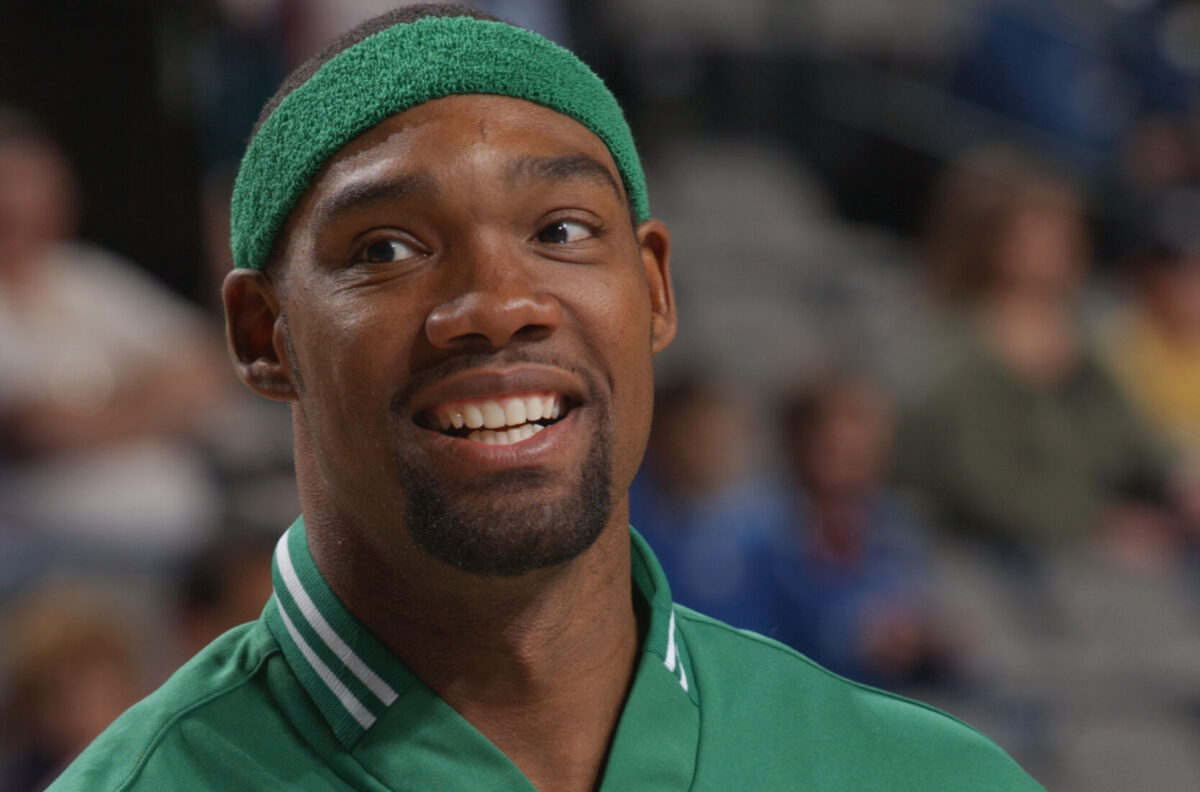
The basketball world is grieving the loss of Rodney Rogers, a beloved Wake Forest icon and former NBA standout, who passed away on Friday at the age of 54. Wake Forest University confirmed his death on Saturday, marking the end of a life characterized by extraordinary talent, resilience, and quiet strength.
Rogers, who rose from Durham, North Carolina, to national prominence as one of the most electrifying forwards of his generation, had lived with paralysis from the shoulders down since a tragic dirt bike accident in 2008. According to the National Basketball Players Association (NBPA), Rogers died of natural causes related to complications from his long-term spinal cord injury.
In a statement issued on behalf of his family, the NBPA reflected deeply on Rogers’ journey. “The last 17 years have been both challenging and profoundly blessed,” the statement read. “Through every moment, Rodney remained a light—positive, motivated, and full of the quiet strength that inspired everyone around him.”
Before his paralysis, Rogers had carved out a remarkable legacy both in college basketball and in the NBA. During his time at Wake Forest, he became one of the most dominant players in the Atlantic Coast Conference (ACC). He earned ACC Rookie of the Year honors in 1991 and was later named ACC Player of the Year in 1993. His No. 54 jersey was retired by the Demon Deacons, a tribute reserved for the most extraordinary athletes to pass through the program.
The Celtics are saddened by the loss of Rodney Rogers and send our condolences to his family. pic.twitter.com/MqJCt42rwv
— Boston Celtics (@celtics) November 22, 2025
Standing 6-foot-7 with a powerful build and unmatched physicality, Rogers earned the nickname “Durham Bull” during his high school days—a name that followed him into his collegiate and professional career. His impact on the court was unmistakable. In the 1992–93 season alone, he averaged 21.2 points per game while leading Wake Forest to the NCAA Sweet 16.
Rogers entered the 1993 NBA Draft as a junior and was selected ninth overall. He went on to play 12 seasons in the league, suiting up for seven teams: the Denver Nuggets, LA Clippers, Phoenix Suns, Boston Celtics, New Jersey Nets, New Orleans Hornets, and Philadelphia 76ers. Known for his reliability, versatility, and scoring touch, he accumulated nearly 9,500 career points. In 2000, he was named the NBA’s Sixth Man of the Year during his tenure with the Suns.
After his life-changing accident in 2008, Rogers refused to allow tragedy to define him. Instead, he channeled his strength into advocacy. His injury led to the creation of the Rodney Rogers Foundation, an organization dedicated to supporting individuals with spinal cord injuries and inspiring resilience in the face of immense challenges. His message consistently centered on perseverance, courage, and embracing life despite adversity.
His alma mater honored him in 2022 with the Distinguished Alumni Award, as well as an honorary degree—recognitions that spoke to his impact beyond basketball.
Former teammates, coaches, and friends continue to pay tribute. Randolph Childress, one of the greatest players in Wake Forest history and a close friend, described Rogers as “the strongest person I have ever met—physically and mentally.” He added, “He meant so much to so many people, and I feel profoundly blessed to have been with him yesterday.”
Dave Odom, Rogers’ former coach at Wake Forest, echoed similar sentiments: “It’s easy to focus on his extraordinary talent, but everyone who knew him recognized that he was every bit as remarkable as a human being. He never complained, not once. He faced life exactly as it came and made the very best of every moment.”
Rogers is survived by his wife, Faye; daughters Roddreka and Rydeiah; sons Rodney II and Devonte; his mother, Estelle Spencer; and Eric Hipolito, whom he embraced as a son. His legacy—both on and off the court—will continue to inspire generations.
FAQ
1. Who was Rodney Rogers?
Rodney Rogers was a former Wake Forest basketball star and a 12-year NBA veteran known for his power, athleticism, and remarkable resilience.
2. How did Rodney Rogers die?
He died from natural causes linked to complications from a spinal cord injury sustained in a 2008 dirt bike accident.
3. What made him famous in college basketball?
He won ACC Rookie of the Year (1991), ACC Player of the Year (1993), and had his No. 54 jersey retired by Wake Forest.
4. What NBA teams did he play for?
Nuggets, Clippers, Suns, Celtics, Nets, Hornets, and 76ers.
5. What happened after his paralysis?
He founded the Rodney Rogers Foundation to encourage and support individuals living with spinal cord injuries.