

Robert McBride testimony could expose deep-rooted SAPS corruption: What to know

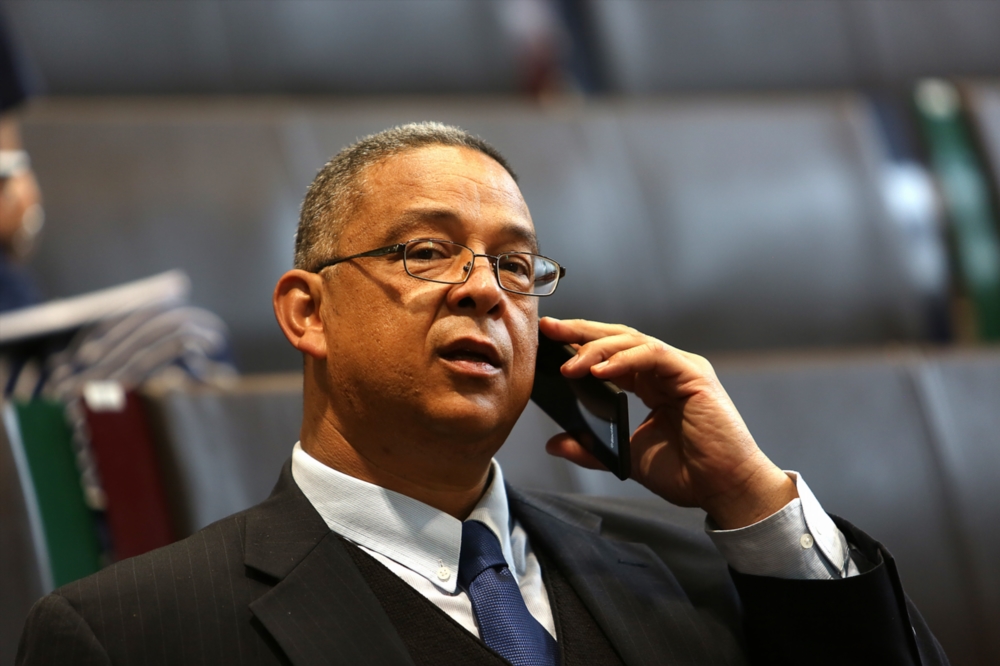
Robert McBride
Former Independent Police Investigative Directorate (Ipid) head Robert McBride is set to deliver critical testimony before parliament as South Africa intensifies scrutiny into allegations of corruption, cartel infiltration, and political interference within the South African Police Service (SAPS).
McBride’s appearance before parliament’s ad hoc committee investigating criminal infiltration in policing is expected to be one of the most consequential moments in the inquiry so far, given his direct involvement in past investigations into police misconduct and systemic failures within law enforcement.
Why Robert McBride’s Testimony Matters
McBride’s testimony carries significant weight due to his former role as head of Ipid, the statutory body mandated to investigate serious complaints against police officers. During his tenure, McBride oversaw several high-profile corruption and misconduct investigations, often placing him at odds with senior SAPS officials and political leadership.
Parliamentarians expect McBride to provide first-hand insight into operational interference, internal sabotage of investigations, and institutional weaknesses that may have allowed criminal syndicates to gain influence within police structures.
Parliament Investigates Alleged Cartel Infiltration in SAPS
The ad hoc committee was established following explosive claims by KwaZulu-Natal provincial police commissioner Lt-Gen Nhlanhla Mkhwanazi, who alleged that criminal cartels had penetrated police ranks, influencing investigations and operational decisions.
Committee chair Soviet Lekganyane confirmed that McBride will be questioned over two days, as lawmakers attempt to establish whether law enforcement agencies have been compromised at multiple levels.
“We have a very busy week with Mr McBride coming here on Tuesday and Wednesday,” Lekganyane said, underscoring the seriousness of the hearings.
McBride’s Controversial but Influential Law Enforcement Career
Robert McBride’s career has been both influential and deeply contested. A former member of uMkhonto weSizwe, McBride was convicted for the 1986 Magoos Bar bombing in Durban, a conviction later nullified under the Promotion of National Unity and Reconciliation Act.
Following South Africa’s democratic transition, McBride served as chief of the Ekurhuleni Metropolitan Police Department before being appointed head of Ipid. His time at Ipid was marked by persistent clashes with senior police figures, reinforcing his reputation as a fearless but polarising investigator.
READ ALSO
Angie Motshekga orders shock inquiry as Iran defies Ramaphosa’s Naval drill ban
Previous Testimonies Deepen Corruption Allegations
McBride’s testimony follows evidence presented by former acting national police commissioner Khomotso Phahlane and former intelligence head Dumisani Khumalo, who last week alleged that some SAPS members were working directly for crime syndicates or moonlighting for criminal networks.
Phahlane further told MPs that political interference in policing intensified after the ANC’s 52nd national conference in Polokwane, framing the current inquiry as part of a long-running struggle over control of the security apparatus.
Other Key Witnesses and Ongoing Investigations
The committee is also scheduled to hear from suspended Ekurhuleni Metropolitan Police deputy chief Julius Mkhwanazi, who faces allegations of malfeasance and links to alleged crime boss Vusimuzi “Cat” Matlala.
Evidence leader Advocate Norman Arendse has raised logistical and security concerns surrounding some witnesses, including Brown Mogotsi, prompting the committee to allow virtual consultations in certain cases.
What Parliament Hopes to Establish
The hearings aim to determine whether operational decisions within SAPS and municipal police services have been compromised by external criminal interests. The outcome could have far-reaching implications for public safety, constitutional accountability, and police reform, particularly under Section 198 of South Africa’s Constitution, which mandates a professional and impartial security service.
As McBride takes the stand, lawmakers and the public alike will be watching closely for revelations that could reshape the national conversation around police integrity, accountability, and the rule of law.
FAQ
Who is Robert McBride?
Robert McBride is a former head of the Independent Police Investigative Directorate (Ipid) and a former Ekurhuleni Metro Police chief, known for leading high-profile investigations into police corruption.
Why is Robert McBride testifying before parliament?
McBride is testifying as part of a parliamentary inquiry into allegations that criminal cartels and political actors have infiltrated SAPS and influenced policing decisions.
What is the SAPS corruption inquiry about?
The inquiry is examining claims of systemic corruption, cartel influence, and political interference within SAPS and municipal police services.
What role did McBride play at Ipid?
As Ipid head, McBride oversaw investigations into police misconduct, corruption, deaths in custody, and abuse of power by law enforcement officers.
What allegations are being investigated?
Claims include police officers working for crime syndicates, compromised investigations, politically motivated appointments, and interference in operational policing.
Who else has testified in the inquiry?
Witnesses include former acting police commissioner Khomotso Phahlane and intelligence head Dumisani Khumalo, among others.
Why is this inquiry significant for South Africa?
The findings could lead to major police reforms, criminal prosecutions, and renewed efforts to restore public trust in law enforcement institutions.
Could McBride’s testimony lead to arrests or reforms?
While the inquiry itself does not prosecute, its findings could inform criminal investigations, disciplinary action, and legislative reform.