

Who is Robert Maudsley? Inside the life of Britain’s Most Isolated and Dangerous Prisoner

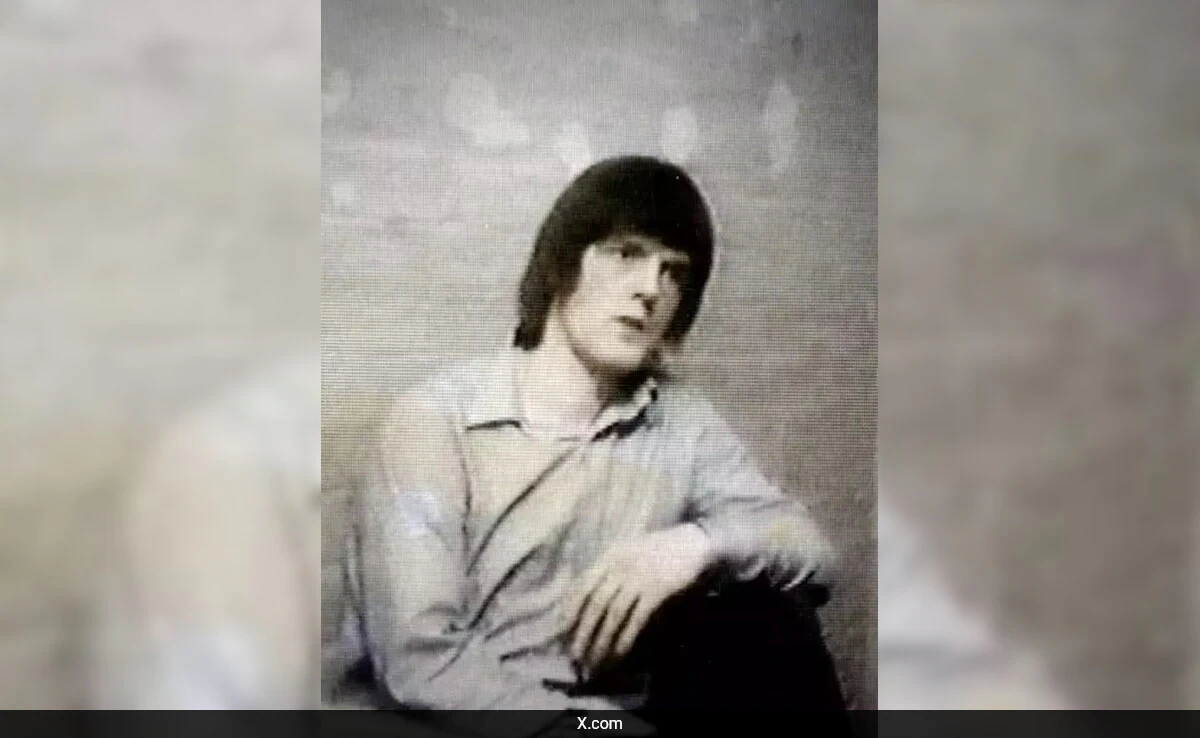
Robert Maudsley, Britain’s longest-held prisoner in solitary confinement. Image Source: NDTV
Robert Maudsley is one of the most notorious names in British criminal history, a man whose crimes, punishment, and prolonged isolation continue to spark intense debate about justice, safety, and human rights. Now aged 72, Maudsley has spent more than 46 consecutive years in solitary confinement, much of it inside a specially constructed glass cell beneath HMP Wakefield, earning him the grim reputation as the UK’s most dangerous inmate.
As Christmas passed in near-total isolation once again, renewed attention has fallen on Maudsley’s extraordinary and disturbing case, one that blurs the line between punishment and permanent containment.
Why Is Robert Maudsley Considered So Dangerous?
Robert Maudsley was responsible for the killing of four men, all of whom he claimed were rapists, paedophiles, or sex offenders. His violence, extreme methods, and lack of remorse led prison authorities to conclude that he posed an ongoing and uncontrollable threat to other inmates.
Over the years, Maudsley acquired macabre nicknames such as “Spoons” and “Blue,” references to the brutal nature of his killings. Although reports once claimed he ate part of a victim’s brain, a claim he has repeatedly denied, the label of “brain-eating cannibal” followed him for decades, fueling public fear and fascination.
From Troubled Childhood to First Killing
Born in Liverpool as one of 12 children, Maudsley endured a deeply traumatic upbringing. Taken into care as a baby and later returned to abusive parents, he suffered years of physical and emotional violence. By 16, he had fled home, descended into drug addiction, and survived through sex work.
His first killing occurred in 1973, when he strangled a man who showed him images of children he had abused. Convicted of manslaughter due to diminished responsibility, Maudsley was sent to Broadmoor Hospital, a high-security psychiatric facility, where his violence escalated rather than subsided.
Murders Behind Bars and Life Sentence
In 1977, while still at Broadmoor, Maudsley and another patient tortured and killed a convicted child molester during a nine-hour hostage ordeal. Psychiatrists subsequently deemed him untreatable, and he was transferred to the conventional prison system.
A year later, at Wakefield Prison, Maudsley murdered two fellow inmates in a single afternoon, including one jailed for killing his wife and another convicted of child sexual abuse. Following these killings, prison authorities concluded that Maudsley could never safely mix with other prisoners.
READ ALSO
Jake Haro sentenced to over 30 years in prison for killing infant son and faking kidnapping
Life Inside the Infamous Glass Cell
By 1983, a bespoke glass-walled cell was built specifically for Maudsley. Measuring roughly 18ft by 15ft, the cell featured bulletproof glass, minimal furnishings made from compressed cardboard, and a food slot through which meals were passed.
Maudsley spent 23 hours a day alone, often describing the experience as “being buried alive in a coffin.” Appeals to relax his conditions, including requests for music, books, a television, and even a pet bird, were consistently denied.
Despite repeated legal challenges, Maudsley remained in isolation for over 17,000 days, making him the longest-serving prisoner in solitary confinement in British history.
Transfer in 2025 and Ongoing Isolation
In April 2025, following a hunger strike over confiscated personal belongings, Maudsley was transferred to HMP Whitemoor in Cambridgeshire. While no longer housed in the original glass cell, he remains under strict isolation on a specialist wing for inmates with severe personality disorders.
Prison officials maintain that these measures are necessary to protect others, despite growing concerns from campaigners over the psychological impact of prolonged solitary confinement.
A Case That Continues to Divide Opinion
Robert Maudsley’s case remains one of the most polarising in the UK. To authorities, he represents a permanent threat requiring exceptional containment. To critics, his decades-long isolation raises profound ethical questions about inhumane punishment, mental health, and whether any prisoner should be kept apart from human contact for life.
As Britain reflects on crime, rehabilitation, and prison reform, Maudsley’s story stands as a stark reminder of the system’s most extreme response to extreme violence.
FAQ
Who is Robert Maudsley?
Robert Maudsley is a British serial killer who murdered four men and is regarded as the UK’s most dangerous prisoner.
Why is Robert Maudsley famous?
He is known for spending more than 46 years in solitary confinement, much of it inside a specially built glass cell.
Did Robert Maudsley really eat a victim’s brain?
Reports claimed this at the time, but Maudsley has denied cannibalism, saying the allegations were exaggerated.
Where is Robert Maudsley now?
As of 2025, he is held at HMP Whitemoor under heavy isolation on a specialist unit.
Why was Robert Maudsley kept in a glass cell?
Prison authorities believed he was too dangerous to be housed with other inmates after killing multiple prisoners.
How many people did Robert Maudsley kill?
He killed four men, all of whom he claimed were sex offenders.
Is Robert Maudsley Britain’s longest-serving prisoner?
Yes. Following the death of Ian Brady in 2017, Maudsley became Britain’s longest-held prisoner.
Can Robert Maudsley ever be released?
He was sentenced to life imprisonment with no realistic prospect of release due to the extreme risk he poses.