

Riyadh under drone attack: US Embassy hit as Middle East war escalates and oil prices surge

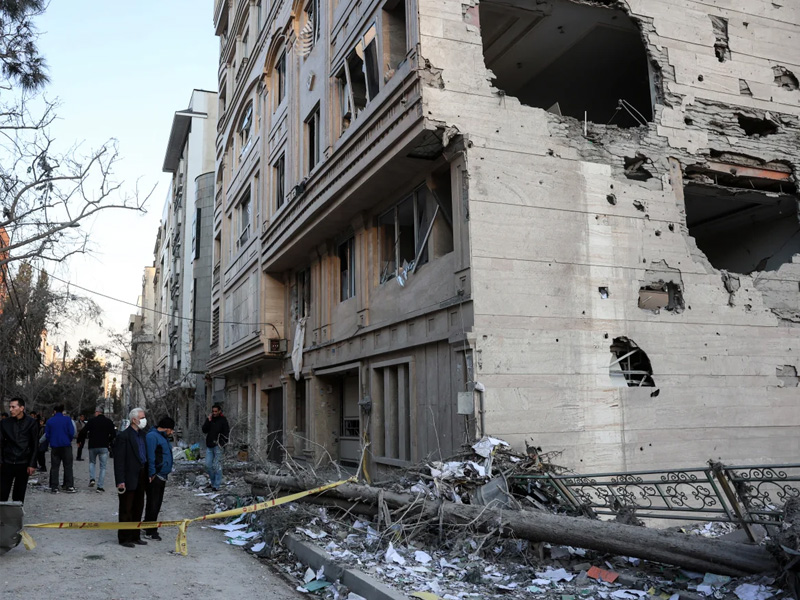
US embassy in Riyadh struck by drones
Riyadh has been thrust into the centre of a rapidly widening Middle East conflict after the US embassy in the Saudi capital was struck by two drones, marking a dramatic escalation in hostilities between Israel, Iran and their allies.
Saudi Arabia’s defence ministry confirmed the drone strikes caused a limited fire and minor damage at the embassy compound. The incident comes as Israel resumes attacks on Tehran and expands military operations in Lebanon, while the United States intensifies strikes against Iranian targets.
The attack on Riyadh underscores the growing risk of a broader regional war, one already sending shockwaves through global energy markets and financial systems.
US Embassy in Riyadh Hit by Drones
According to Saudi officials, two drones struck the US diplomatic mission in Riyadh amid escalating cross-border attacks linked to Iran.
The strike follows warnings from Washington urging American citizens across the Middle East to depart immediately. The US State Department expanded evacuation orders for non-emergency personnel across several Gulf countries.
The embassy incident did not result in major structural damage, but its symbolism is significant. Riyadh, long viewed as a key regional power and strategic US ally, has now been directly affected by the spiralling conflict.
Saudi Arabia has not formally blamed Iran, but tensions between Gulf states and Tehran have sharply increased following coordinated attacks across the region.
Israel Expands Offensive in Tehran and Lebanon
The drone strike in Riyadh coincided with renewed Israeli operations targeting military sites in Tehran and intensified bombardment in Beirut.
The Israeli military said it is attacking Iranian and Hezbollah-linked infrastructure “simultaneously,” while also launching ground operations in southern Lebanon to seize what it described as “strategic positions.”
Lebanon’s authorities report rising casualties following air strikes in Beirut’s southern suburbs. Meanwhile, Hezbollah has claimed drone and missile launches against Israeli targets, raising fears of sustained cross-border warfare.
US Military Campaign Against Iran Intensifies
The United States confirmed it has targeted Iranian Revolutionary Guard facilities, missile launch sites and air defence systems. Officials described the operation as aimed at crippling Iran’s military capabilities and preventing further escalation.
President Donald Trump stated that US weapons stockpiles remain strong, while also signalling readiness for a prolonged campaign if necessary. Washington maintains that its actions were taken in response to what it described as imminent threats from Iran.
Iran has retaliated with drone and missile attacks affecting multiple regional locations, including Gulf infrastructure and US-linked assets.
READ ALSO
Did Iran attack USS Abraham Lincoln? Inside the controversial missile strike
Oil Prices Surge Above $80 as Markets Slide
The widening conflict has sent global energy markets into turmoil.
Brent crude climbed above $80 a barrel, while European natural gas prices surged sharply amid fears of supply disruption. The Strait of Hormuz, a critical choke point for global oil shipments, has become a focal point of concern.
Stock markets across Europe and Asia fell as investors reacted to the possibility of a prolonged regional war. The dollar strengthened, while sovereign bond yields climbed on inflation fears tied to rising energy costs.
Analysts warn that any sustained disruption to Gulf energy infrastructure could trigger broader economic fallout.
Regional Fallout: Gulf States on Alert
Beyond Riyadh, other Gulf nations have faced security incidents. Reports indicate drone and missile interceptions in multiple states, while airport operations and commercial flights have been disrupted.
Several countries have begun repatriating citizens from affected areas. Airlines are cautiously resuming limited services, though thousands remain stranded due to cancellations.
The risk of a wider Gulf conflict remains a central concern for international observers, particularly as energy facilities become potential targets.
Why Riyadh Matters in This Conflict
Riyadh’s strategic importance cannot be overstated. As the capital of Saudi Arabia, the world’s largest oil exporter, any instability there carries global implications.
An attack on the US embassy in Riyadh signals that diplomatic sites and Gulf capitals are no longer insulated from direct fallout. The development increases pressure on Gulf states to clarify their positions as tensions between Washington, Tehran and Tel Aviv escalate.
For now, Saudi authorities say the situation is under control. However, the broader regional picture remains volatile.
FAQ
What happened in Riyadh?
Two drones struck the US embassy in Riyadh, causing minor damage and a limited fire during escalating regional hostilities.
Who attacked the US embassy in Riyadh?
Saudi officials have confirmed the drone strike but have not formally attributed responsibility. The incident occurred amid broader conflict involving Iran and Israel.
Was anyone injured in Riyadh?
Authorities reported minor damage and a limited fire. No major casualties have been publicly confirmed.
Is Riyadh safe right now?
Saudi officials say the situation is contained. However, regional tensions remain high, and several countries have advised caution.
Why is oil rising above $80?
Oil prices are climbing due to fears that the conflict could disrupt Gulf energy infrastructure and shipping routes, particularly near the Strait of Hormuz.
Are Gulf countries joining the war?
Some Gulf states have intercepted incoming drones and missiles, but there has been no formal declaration of broader military involvement.
Is this turning into a regional war?
The conflict has already expanded beyond its initial scope, affecting multiple countries. Analysts warn that further escalation remains possible.