

How did Richard Smallwood die? Here’s what to know

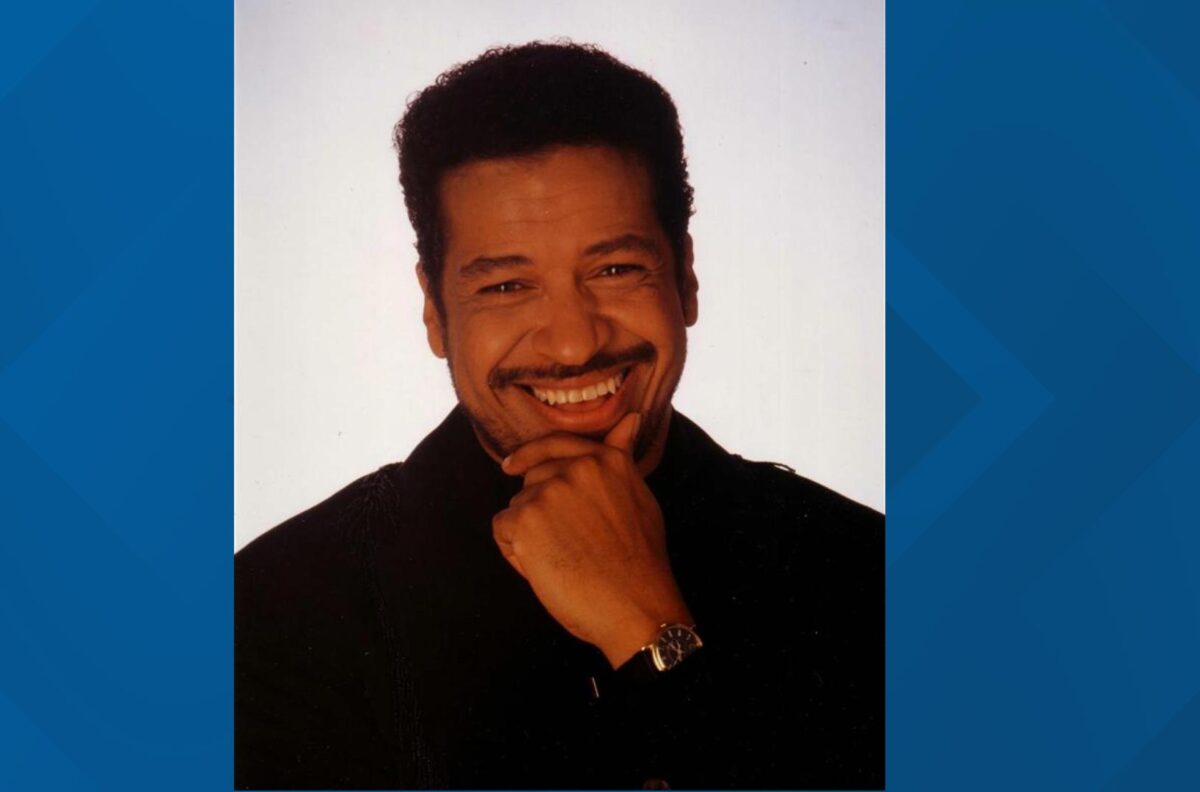
Richard Smallwood death
The world of gospel music is mourning the loss of one of its most influential architects, Richard Smallwood, the eight-time Grammy-nominated singer, composer, and music minister whose work shaped contemporary gospel for more than five decades. Smallwood passed away just after midnight on Tuesday following complications from kidney failure. He died at the Brooke Grove Rehabilitation and Nursing Center. He was 77.
Born in Atlanta on November 30, 1948, but raised in Washington, D.C., Smallwood’s life was steeped in faith, music, and disciplined artistry from an early age. He was nurtured in a deeply spiritual home by his mother, Mabel Smallwood, and his stepfather, the late Reverend Chester Lee “C.L.” Smallwood, longtime pastor of Union Temple Baptist Church in southeast D.C. The church would later become one of the most important incubators of his musical vision.
Smallwood was a musical prodigy. He learned to play the piano by ear at the age of five, began formal lessons two years later, and by eleven had already organized his own gospel group. His talent continued to blossom during his time at McKinley Technology High School in northeast Washington, where he studied under none other than Roberta Flack, years before she rose to global fame.
His academic journey led him to Howard University, where he graduated cum laude with a degree in music. At Howard, Smallwood studied alongside future stars and cultural icons such as Donny Hathaway, Debbie Allen, and Phylicia Rashad. He became a founding member of Howard University’s Gospel Choir and was also part of The Celestials, the university’s first gospel ensemble to perform at the prestigious Montreux Jazz Festival in Switzerland—an early sign of how far his music would travel.
After college, Smallwood briefly taught music at the University of Maryland before fully dedicating himself to ministry and composition. In 1977, inspired by a live performance from the Edwin Hawkins Singers, he formed the Richard Smallwood Singers. The group quickly distinguished itself with a sound that blended classical training, jazz harmonies, and spiritual depth—ushering gospel music into a more sophisticated, contemporary space.
Their breakthrough came after signing with Onyx Records in 1982. The group’s debut album spent an astonishing 87 weeks on Billboard’s Spiritual Albums chart. Success followed with the 1984 release Psalms, which reached No. 1 and earned a Grammy nomination. Their later album Textures produced what would become one of Smallwood’s most enduring works, “Center of My Joy,” a song that crossed racial and denominational boundaries and remains a staple in churches worldwide.
Smallwood’s influence extended far beyond gospel circles. His composition “I Love the Lord” gained renewed life through Whitney Houston’s rendition on The Preacher’s Wife soundtrack, while “Total Praise” became a modern hymn, later interpreted by Destiny’s Child, among many others. His music was both deeply personal and universally resonant—born from seasons of grief, faith, and surrender.
In later years, Smallwood disbanded his original singers and formed Vision, a large choir that supported a new chapter of recordings, including radio staples like “Angels” and “Total Praise.” His 2007 live album Journey: Live in New York featured collaborations with Chaka Khan, Kim Burrell, Kelly Price, and members of the Hawkins family, further cementing his cross-genre respect.
Beyond music, Smallwood was candid about his struggles. His 2019 autobiography, Total Praise, revealed deeply personal stories of family, loss, depression, and faith. In his final years, he quietly battled mild dementia and other health challenges, yet remained revered as a minister whose calling went beyond performance.
Richard Smallwood is survived by his siblings, nieces, nephews, godchildren, and a global community of believers whose worship has been shaped by his legacy. Though his voice may now be silent, his songs remain—lifting hearts, anchoring faith, and reminding generations that praise can rise even from life’s deepest valleys.
Frequently Asked Questions (FAQ)
Who was Richard Smallwood?
Richard Smallwood was an American gospel singer, composer, and music minister widely regarded as one of the most influential figures in contemporary gospel music. He was known for blending classical music, jazz, and traditional gospel into a refined worship sound.
What was Richard Smallwood famous for?
He was best known for writing iconic gospel songs such as “Total Praise,” “Center of My Joy,” and “I Love the Lord.” His compositions have been performed globally and covered by artists like Whitney Houston and Destiny’s Child.
How did Richard Smallwood die?
Richard Smallwood died from complications related to kidney failure. He passed away just after midnight at the Brooke Grove Rehabilitation and Nursing Center.
How old was Richard Smallwood when he died?
He was 77 years old at the time of his death.
Where was Richard Smallwood from?
Although he was born in Atlanta, Georgia, Richard Smallwood was raised in Washington, D.C., where he spent much of his life and ministry.
Did Richard Smallwood win a Grammy Award?
While he was nominated multiple times for Grammy Awards, he did not win a Grammy. However, his impact and influence on gospel music remain unmatched.
Which artists have covered Richard Smallwood’s songs?
His songs have been covered by several major artists, including Whitney Houston, Destiny’s Child, Boyz II Men, Ron Kenoly, and Tanya Goodman-Sykes.
What was Richard Smallwood’s last album?
His final album, Anthology, was released in 2015 and featured the gospel radio hit “Same God.”
Did Richard Smallwood write a book?
Yes. In 2019, he published Total Praise: The Autobiography, where he openly discussed his life, faith journey, family history, and struggles with grief and depression.
Is Richard Smallwood survived by family?
Yes. He is survived by his brothers, sisters, nieces, nephews, and several godchildren.