

World Autism Awareness Day 2026: Remi Tinubu urges Nigerians to reject misinformation and embrace autism inclusion

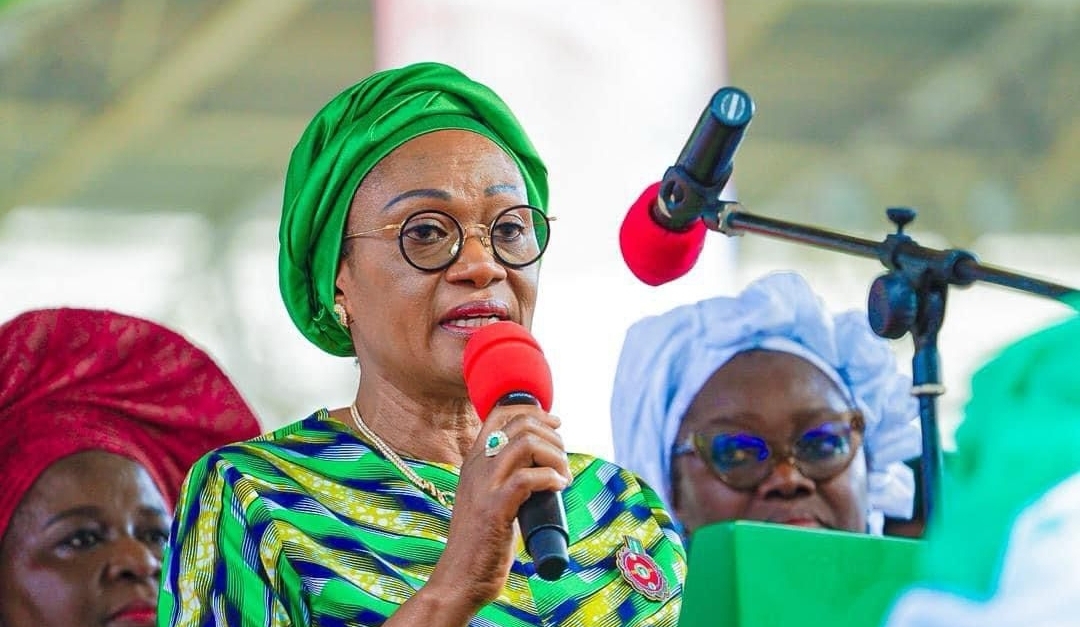
Remi Tinubu calls for autism inclusion in Nigeria
Nigeria’s First Lady, Senator Oluremi Tinubu, has renewed calls for greater autism inclusion in Nigeria, urging citizens, institutions and policymakers to reject stigma and harmful myths while embracing the dignity and potential of people on the autism spectrum.
Marking World Autism Awareness Day 2026 on April 2, Mrs Tinubu said persons living with autism spectrum disorder (ASD) are “vital contributors to society” whose lives and voices enrich communities and strengthen the nation’s future. Her message comes at a time when global health bodies and advocates are pushing beyond simple awareness toward acceptance, accessibility and equal opportunities for autistic individuals.
The 2026 global observance carries the theme “Autism and Humanity – Every Life Has Value,” a message also echoed by the United Nations as part of its annual recognition of the day. The theme highlights the growing international focus on human rights, neurodiversity and social inclusion for autistic people.
Remi Tinubu Reaffirms Inclusion and Respect for Persons with Autism
In her message published by Premium Times, Mrs Tinubu said Nigerians must recognise the dignity, worth and potential of persons with autism, stressing that every individual deserves equal respect regardless of neurological differences.
According to the First Lady, autistic people are not outsiders to society but an integral part of humanity, and their presence should be valued in homes, schools, workplaces and public life. She linked the 2026 theme to the broader need for a more just and equitable society, saying inclusion and equal opportunity are essential for national progress.
Her remarks align closely with the global direction of World Autism Awareness Day, which the United Nations says has evolved from awareness-focused campaigns into a broader push for acceptance, appreciation and full participation in society.
First Lady Warns Against Autism Misinformation and Harmful Narratives
A key part of Mrs Tinubu’s message was her warning about the continued spread of autism misinformation and harmful narratives that can undermine progress for families and autistic individuals.
“At a time when misinformation and harmful narratives about autism sometimes reemerge, we must remain steadfast in promoting understanding, inclusion and equal opportunities for all,” she said, according to the report.
This concern is significant because autism remains one of the most misunderstood developmental conditions globally. The World Health Organization (WHO) notes that autism is a lifelong neurodevelopmental condition and that people with autism have a wide range of strengths, abilities and support needs. WHO also stresses that misinformation, especially around causes and treatment, can worsen stigma and delay access to proper support.
What Is Autism? Understanding Autism Spectrum Disorder (ASD)
Autism, also known as autism spectrum disorder (ASD), is a developmental condition related to how the brain develops and processes communication, behaviour and social interaction.
According to WHO, autism can often be identified in early childhood, although diagnosis may happen much later. The organisation estimates that about 1 in 127 people globally had autism in 2021, underscoring how common the condition is worldwide. WHO describes autism as a diverse spectrum, meaning no two autistic people are exactly alike. Some autistic individuals live independently, while others may require lifelong support.
Common characteristics can include:
- Differences in social communication and interaction
- Repetitive behaviours or routines
- Sensory sensitivities
- Strong focus on particular interests or details
Experts and advocacy groups increasingly stress that autism should not be viewed only through a medical lens, but also through the framework of neurodiversity, rights and accessibility.
READ ALSO
Why World Autism Awareness Day 2026 Matters
Observed every year on April 2, World Autism Awareness Day was established by the United Nations General Assembly in 2007 and first marked in 2008. In 2026, the UN says the focus is on affirming the inherent dignity and worth of all autistic people while pushing for neuroinclusive environments in education, healthcare, employment and community life.
WHO’s 2026 message adds that autistic people still face stigma, discrimination and barriers to participation, despite international human rights protections. The health agency says early identification, inclusive education and community support can significantly improve well-being and participation. It also emphasises the need for governments to invest in inclusive policies and support systems across the life course.
Autism in Nigeria: The Bigger Conversation on Inclusion
Mrs Tinubu’s statement places autism back in the spotlight in Nigeria, where awareness has grown in recent years but many families still face major challenges, including delayed diagnosis, limited specialist services, stigma and weak support structures in schools and workplaces.
Her call for acceptance, understanding and equal rights reflects a wider need for stronger national conversations around inclusive education, disability rights, caregiver support and accessible healthcare. It also signals that autism advocacy in Nigeria is increasingly moving beyond ceremonial observances toward questions of policy, public awareness and practical support.
For many families, World Autism Awareness Day is not just symbolic — it is a reminder that every autistic child and adult deserves visibility, dignity and opportunity.
A Shift From Awareness to Acceptance
Globally, autism advocates have increasingly argued that the conversation should move from “awareness” to acceptance and inclusion. The UN Secretary-General, in his 2026 message, said autistic people should be able to shape their own lives and help shape the shared future, adding that accessible health systems, fair employment and equal education are essential.
That broader shift is exactly what Mrs Tinubu’s message appears to reinforce: that autism is not a condition to be hidden or misunderstood, but part of human diversity that should be met with respect, support and equal opportunity.
As Nigeria joins the rest of the world to mark World Autism Awareness Day 2026, the First Lady’s remarks serve as a timely reminder that every life has value, and inclusion must go beyond words.
FAQ: Autism, World Autism Awareness Day 2026 and Remi Tinubu’s Message
1. What did Remi Tinubu say about autism on World Autism Awareness Day 2026?
Remi Tinubu urged Nigerians to promote inclusion, understanding and respect for people living with autism. She said persons with autism are valuable members of society and warned against misinformation and harmful narratives that can fuel stigma.
2. What is the theme for World Autism Awareness Day 2026?
The official 2026 theme is “Autism and Humanity – Every Life Has Value.” The theme emphasises the dignity, worth and equal rights of autistic people and encourages societies to build more inclusive systems.
3. What is autism?
Autism, or autism spectrum disorder (ASD), is a lifelong neurodevelopmental condition that affects how a person communicates, interacts socially, behaves and processes sensory information. It exists on a spectrum, meaning autistic people can have very different abilities, strengths and support needs.
4. What are the early signs of autism in children?
Early signs may include:
- Limited eye contact
- Delayed speech or language development
- Repetitive movements or behaviours
- Strong preference for routines
- Sensory sensitivities
- Difficulty with social interaction or pretend play
However, signs vary widely, and only a qualified professional can make a diagnosis.
5. What causes autism?
There is no single cause of autism. According to WHO, research suggests autism may be linked to a combination of genetic and environmental factors. Scientists say autism is not caused by parenting style and vaccines do not cause autism.
6. Do vaccines cause autism?
No. Extensive scientific research has shown that vaccines do not cause autism. WHO says the earlier study that suggested a link between the MMR vaccine and autism was fraudulent and has long been discredited.
7. Can autism be cured?
Autism is not something that needs a “cure.” It is a lifelong neurodevelopmental condition. The focus is usually on support, communication development, education access, therapy where needed, and inclusive environments that help autistic people thrive.
8. How common is autism worldwide?
WHO estimates that about 1 in 127 people globally had autism in 2021. The actual numbers may vary across countries because of differences in diagnosis, awareness and reporting systems.
9. Why is World Autism Awareness Day important?
World Autism Awareness Day is important because it raises public understanding and pushes governments, schools, employers and communities to improve autism inclusion, rights, accessibility and support services. It also helps challenge stigma and misinformation.
10. What is the difference between autism awareness and autism acceptance?
- Autism awareness means people know autism exists.
- Autism acceptance means people actively support autistic individuals through inclusive schools, workplaces, healthcare, communication styles and community participation.
Globally, many advocates now prefer the shift from awareness to acceptance and inclusion.
11. How is autism diagnosed?
Autism is usually diagnosed through:
- Developmental screening
- Behavioural observation
- Clinical assessments by specialists such as paediatricians, psychologists or developmental experts
- Input from parents, caregivers and teachers
There is no single blood test or scan that diagnoses autism.
12. What support do autistic children and adults need?
Support depends on the individual, but may include:
- Speech and language support
- Occupational therapy
- Behavioural or psychosocial support
- Inclusive education plans
- Sensory-friendly environments
- Caregiver guidance
- Community and workplace accommodations
WHO says evidence-based psychosocial interventions can improve communication and social skills.
13. What did the UN say about autistic people in 2026?
The UN said the 2026 observance affirms the dignity and worth of all autistic people and calls for full participation in society. Secretary-General António Guterres said autistic people should have equal access to education, employment and health systems.
14. What challenges do autistic people face in Nigeria?
Common challenges in Nigeria include:
- Late diagnosis
- Low public awareness
- Stigma and harmful myths
- Limited access to specialist care
- Poor inclusive education systems
- Financial pressure on families
- Limited adult support and employment pathways
This is why public advocacy from national leaders can be important.
15. How can schools and workplaces become autism-inclusive?
They can:
- Train staff on neurodiversity
- Provide communication accommodations
- Create sensory-friendly spaces
- Allow flexible learning or work structures
- Reduce stigma through awareness campaigns
- Use inclusive policies and anti-discrimination measures
16. Why is Remi Tinubu’s autism message significant?
Her message matters because it places autism inclusion in Nigeria within a national conversation about rights, dignity, education, healthcare and public understanding. It also helps counter stigma by using a high-profile public platform on an important global observance.