

Prince Andrew arrested at Sandringham: King Charles’s brother held over alleged misconduct linked to Epstein files

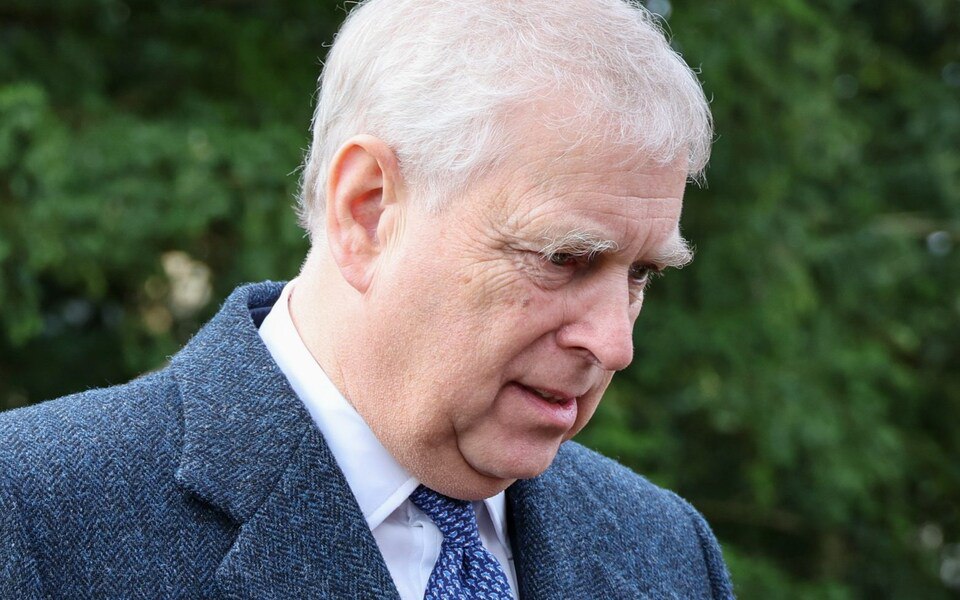
Prince Andrew leaves Royal Lodge after losing title and mansion. Image Source: Sprinter press/X
Prince Andrew has been arrested on suspicion of misconduct in public office in a dramatic development that has sent shockwaves through the Royal Family and across the UK.
The Duke of York, now formally known as Andrew Mountbatten-Windsor, was taken into custody on Thursday morning following what police described as a “thorough assessment” of allegations linked to his past role as the UK’s trade envoy. The arrest took place at the Sandringham estate in Norfolk, where he has been residing.
Thames Valley Police confirmed that a man in his 60s from Norfolk had been arrested and remains in custody, while searches are being conducted at addresses in Berkshire and Norfolk. Authorities declined to name the individual in accordance with national guidance but confirmed the investigation relates to alleged misconduct in public office.
Andrew, who turned 66 on the day of his arrest, has consistently and strenuously denied any wrongdoing.
Why Was Prince Andrew Arrested?
According to police and reports from both the BBC and The Guardian, the arrest follows an investigation into allegations that Prince Andrew may have shared sensitive information with convicted sex offender Jeffrey Epstein during his time serving as a UK trade envoy.
Thames Valley Police said the decision to open a formal investigation came after a detailed review of complaints concerning potential misconduct in public office. Assistant Chief Constable Oliver Wright emphasised the need to protect the integrity and objectivity of the inquiry.
While the arrest is linked to allegations concerning confidential material, authorities have clarified that the investigation is active and no charges have been filed.
It is important to note that an arrest is not an indication of guilt. Under UK law, individuals are presumed innocent until proven otherwise.
Police Searches at Sandringham and Berkshire
Photographs published Thursday morning showed unmarked police vehicles and officers at Wood Farm on the Sandringham estate. Police later confirmed searches were underway at properties in Norfolk and Berkshire.
The arrest marks the first time Prince Andrew has been detained by police in relation to the long-running scrutiny over his association with Jeffrey Epstein.
Legal commentators say suspects in such cases can be held for up to 24 hours without charge, with extensions possible up to a maximum of 96 hours under strict judicial oversight.
Andrew is reportedly being held in standard custody conditions, with no special treatment expected.
READ ALSO
The Epstein Connection and Ongoing Allegations
The investigation stems from allegations that Andrew shared confidential material with Epstein during his tenure as Britain’s special representative for international trade and investment.
Separate claims previously reviewed by police also involved allegations that a woman was trafficked to the UK by Epstein for a sexual encounter with Andrew. However, officials have indicated that Thursday’s arrest specifically concerns the misconduct in public office allegation.
Prince Andrew has repeatedly denied any impropriety connected to Epstein and has maintained that he committed no wrongdoing.
The case represents one of the most significant legal developments involving a senior member of the British royal family in modern history.
A Royal Crisis: Impact on the Monarchy
The arrest of King Charles III’s brother has intensified scrutiny of the monarchy at a sensitive time. Though Andrew stepped back from public royal duties in recent years, he remains a member of the royal family.
Royal correspondents describe the arrest as unprecedented in contemporary royal history. The optics of a senior royal being held in custody underscore the seriousness of the allegations and the public interest surrounding the investigation.
Buckingham Palace has not issued a detailed statement at the time of writing.
What Happens Next?
As the investigation progresses, police will determine whether there is sufficient evidence to bring formal charges. Andrew may be released pending further investigation or charged depending on the outcome of interviews and evidence review.
Legal experts note that misconduct in public office is a serious offence under UK law, often involving the abuse of a position of trust.
For now, the case remains active, and authorities have urged caution to avoid prejudicing potential court proceedings.
FAQ
Why was Prince Andrew arrested?
Prince Andrew was arrested on suspicion of misconduct in public office. The investigation relates to allegations that he shared confidential material with Jeffrey Epstein while serving as a UK trade envoy.
Has Prince Andrew been charged?
No. At this stage, he has been arrested and remains in custody, but no formal charges have been announced.
What is misconduct in public office?
Misconduct in public office is a serious criminal offence in the UK involving abuse of authority or breach of duty by a public official.
Where was Prince Andrew arrested?
He was arrested at the Sandringham estate in Norfolk, where he has been living.
How long can police hold Prince Andrew?
Under UK law, suspects can be held for up to 24 hours without charge, with possible extensions up to 96 hours if approved by senior officers and a magistrate.
Is this related to Jeffrey Epstein?
Yes. The investigation follows allegations concerning Prince Andrew’s past interactions with Jeffrey Epstein, particularly regarding the alleged sharing of sensitive information.
Has Prince Andrew denied the allegations?
Yes. He has consistently and strenuously denied any wrongdoing.
What happens next in the investigation?
Police will continue interviewing and reviewing evidence. Prosecutors will decide whether there is sufficient evidence to bring charges.