

What really happened to Pops Mohamed? 10 things to know about South African music legend

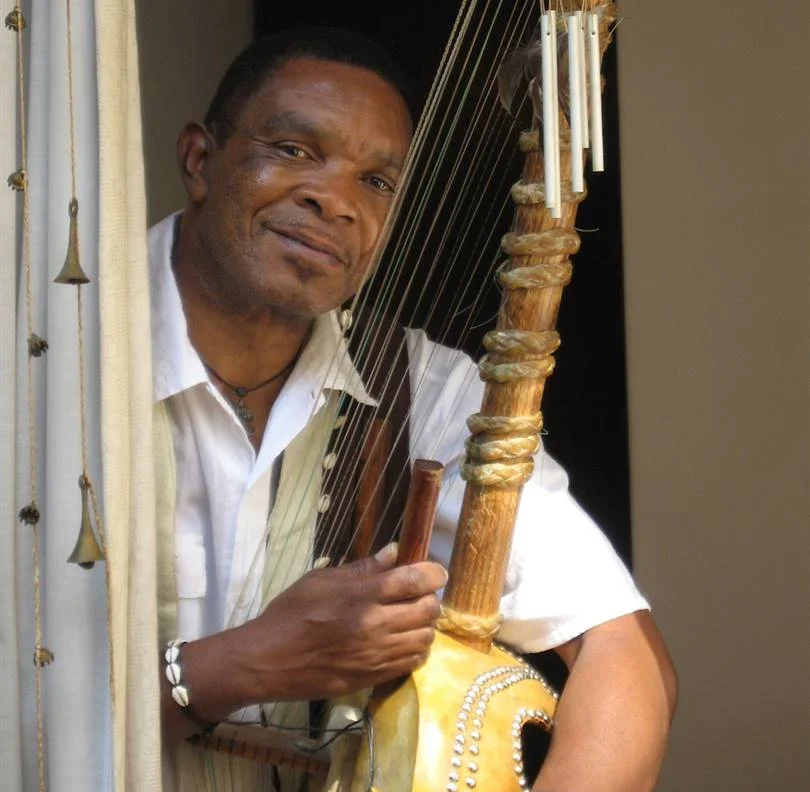
South Africa mourns the loss of one of its most influential musical figures, Pops Mohamed. While the exact cause of his passing has not yet been publicly confirmed, veteran journalist and media trainer Gwen Ansell shared a heartfelt tribute to the artist, highlighting his humble beginnings and the profound influence his music had on South Africa’s cultural and musical landscape.
News of Mohamed’s death quickly drew responses from artists, cultural leaders, and music professionals on social media, all expressing admiration for his life and contributions.
“My dear old friend Pops Mohamed has passed,” wrote cultural activist Guy Lieberman. “A purer soul you could not meet. He will be welcomed into the heavenly choir, bringing all his many traditional instruments with him.”
The Southern African Music Rights Organization (SAMRO) also issued a statement mourning the loss of the multi-instrumentalist and musical visionary. “Pops Mohamed leaves behind a rich catalogue of over 20 albums and a legacy of musical unity, mentorship, and creative freedom,” SAMRO said. “We extend our heartfelt condolences to his family, friends, collaborators, and the wider music community.”
London-based composer Eugene Skeef added, “Our beloved brother Pops Mohamed is no longer with us. May the melodies of his kora continue to sparkle like cosmic stars in our lives.” Similarly, activist and creative Firdoze Bulbulia remembered Mohamed’s generosity of spirit, noting, “Your depth of commitment and inspiration will live on in all of us who encountered your beauty.”
Mohamed’s influence extended far beyond his performances. In 2020, he was featured at the Music In Africa Foundation’s (MIAF) Vibrations concert alongside Morena Leraba and Sibusile Xaba. Violet Maila, MIAF Projects Manager, described him as a custodian of cultural memory whose dedication to preserving indigenous knowledge will continue to inspire artists, instrument makers, and cultural practitioners.
“Working with Pops Mohamed was an honor,” Maila said. “He was deeply committed to preserving Africa’s musical heritage, and our collaboration during the Vibrations concert reflected his lifelong mission to protect and promote traditional instruments. His passion and generosity will be remembered and celebrated for generations.”
Born in Benoni, east of Johannesburg, Pops Mohamed earned the title of South Africa’s “unofficial minister of music.” His career spanned more than four decades, during which he pioneered the blending of traditional African music with contemporary genres such as jazz, funk, trance, and drum ’n’ bass. Mohamed began his musical journey as a teenager, founding The Les Valiants, and later achieved acclaim with projects like Children’s Society, Kalamazoo, Sophiatown Society, and the award-winning Ancestral Healing.
In the 1990s, Mohamed collaborated with the San communities of the Kalahari Desert, producing some of his most influential work, including the album How Far Have We Come. He toured extensively across Africa, Europe, Asia, and the United States, advocating for the preservation and evolution of indigenous music. His dedication to cultural archiving and mentorship cemented his status as a transformative figure in South African music.
10 Things to Know About Pops Mohamed
-
Legendary Multi-Instrumentalist
Pops Mohamed was renowned for his mastery of numerous instruments, ranging from traditional African instruments like the kora and mbira to modern keyboards and percussion, making him a versatile and innovative musician. -
South Africa’s ‘Unofficial Minister of Music’
Affectionately called the country’s “unofficial minister of music,” Mohamed was celebrated for his role in preserving and promoting South African musical heritage.
-
Four-Decade Career
His musical journey spanned more than 40 years, during which he produced over 20 albums and collaborated with countless artists locally and internationally. -
Pioneering Fusion of Genres
Mohamed consistently blended traditional African music with contemporary genres such as jazz, funk, trance, and drum ’n’ bass, creating a unique sound that resonated globally. -
Groundbreaking Early Bands
He began his career as a teenager, founding The Les Valiants, and later gained recognition with Children’s Society, laying the foundation for his lifelong musical influence. -
Acclaimed Albums
Some of his most celebrated works include Kalamazoo, Sophiatown Society, Ancestral Healing, and How Far Have We Come, each showcasing his talent for fusing heritage with modern music.
-
Cultural Archivist and Mentor
Beyond performance, Mohamed was a dedicated cultural archivist, mentoring younger musicians, preserving indigenous knowledge, and safeguarding traditional African instruments. -
Collaborations with Indigenous Communities
In the 1990s, he worked with the San communities of the Kalahari, producing influential recordings that highlighted their musical traditions and stories. -
International Impact
Mohamed toured extensively across Africa, Europe, Asia, and the United States, sharing South African music with global audiences and advocating for the preservation of indigenous music. -
Legacy of Inspiration
His dedication to music, culture, and mentorship leaves a lasting impact. Artists, instrument makers, and cultural workers continue to draw inspiration from his work, ensuring his influence endures for generations.
Pops Mohamed’s passing leaves a profound void in the country’s music scene, but his legacy endures in the countless artists, musicians, and cultural custodians he inspired.
FAQ: Pops Mohamed
Q1: Who was Pops Mohamed?
A1: Pops Mohamed was a legendary South African multi-instrumentalist, producer, and cultural archivist, known for blending traditional African sounds with contemporary genres.
Q2: When did Pops Mohamed pass away?
A2: The exact date is not fully confirmed, but news of his passing emerged recently.
Q3: What are some of his notable works?
A3: Some of his acclaimed works include Kalamazoo, Sophiatown Society, Ancestral Healing, and How Far Have We Come.
Q4: What was his contribution to African music?
A4: Mohamed preserved indigenous music traditions, mentored younger artists, and integrated African sounds with jazz, funk, trance, and drum ’n’ bass.
Q5: Did he collaborate with other artists?
A5: Yes, he collaborated with artists across South Africa and globally, including projects with San communities of the Kalahari and events like MIAF’s Vibrations concert.
Q6: Why is Pops Mohamed considered a cultural icon?
A6: He was celebrated for his innovative music, mentorship, preservation of African instruments, and dedication to cultural archiving.