

Pistons trade Jaden Ivey to Bulls: Kevin Huerter deal explained

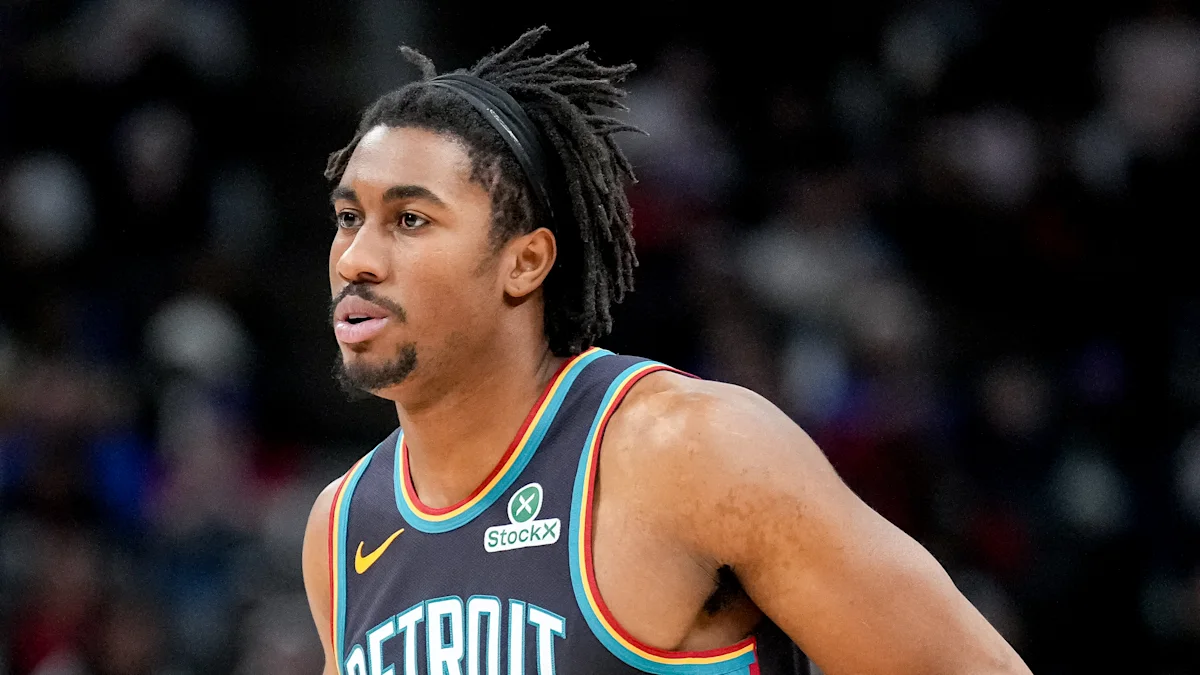
Jaden Ivey
The Detroit Pistons have officially closed the chapter on what many once believed would be the franchise’s long-term backcourt pairing. Just days before the 2026 NBA trade deadline, Detroit moved former lottery pick Jaden Ivey in a multi-team deal that sent him to the Chicago Bulls, signaling a clear shift in roster priorities.
The three-team trade, completed on Tuesday, February 3, involved the Pistons, Bulls, and Minnesota Timberwolves. While Detroit parts ways with a young guard once viewed as a foundational piece, the front office appears focused on reshaping the roster around Cade Cunningham with improved spacing and veteran reliability.
Trade Breakdown
Pistons receive:
-
Kevin Huerter
-
Dario Šarić
-
2026 first-round pick swap with Minnesota (protected 1–19)
Bulls receive:
-
Jaden Ivey
-
Mike Conley Jr.
Timberwolves receive:
-
$10.8 million trade exception
Why Detroit Moved On
From a basketball perspective, Ivey’s role in Detroit had become increasingly unclear. Cunningham’s emergence as the unquestioned primary ball-handler, combined with the presence of veteran shooters and guards, significantly narrowed Ivey’s pathway to consistent minutes—let alone a starting role.
Internally, the Pistons have also leaned more heavily on Daniss Jenkins, a two-way guard who has logged a growing share of backup minutes and is expected to earn a standard NBA contract before the deadline. With Ivey struggling to carve out a defined role and Detroit emphasizing roster balance, the timing for a move became inevitable.
What Kevin Huerter Brings
In return, the Pistons acquire Kevin Huerter, a 27-year-old wing known primarily for his perimeter shooting and secondary playmaking. While Huerter’s numbers this season—10.9 points and 2.6 assists per game—don’t jump off the page, his career résumé paints a more encouraging picture.
Despite hitting just 31.4 percent from three-point range this season, Huerter has historically been an above-average shooter and a reliable offensive connector. According to Cleaning the Glass, he has consistently ranked between the 70th and 90th percentile in assist percentage among wings, underscoring his value as a ball-mover rather than a ball-stopper.
For a Pistons team that has struggled mightily from beyond the arc—ranking among the league’s least efficient three-point shooting units—Huerter represents a calculated bet. Detroit is banking on a shooting rebound and the belief that a more defined role could unlock his efficiency.
Assessing the Value
From a pure asset standpoint, the return may feel light for a former top-five pick. However, the inclusion of a future first-round pick swap provides some long-term flexibility, and Šarić adds frontcourt depth and veteran experience.
Ultimately, this trade reflects Detroit’s evolving identity. Rather than continuing to stockpile overlapping young guards, the Pistons are prioritizing lineup fit, spacing, and developmental clarity around Cunningham.
Trade Grade: B-
The Pistons didn’t “win” the trade outright, but they addressed a clear roster imbalance and avoided prolonging an uncertain developmental situation. Whether this move ages well will depend largely on Huerter’s shooting recovery—and Ivey’s growth in Chicago.
Frequently Asked Questions (FAQ)
Why did the Pistons trade Jaden Ivey?
Detroit moved Ivey due to roster fit concerns and limited opportunities alongside Cade Cunningham.
Who did the Pistons get in return?
Kevin Huerter, Dario Šarić, and a protected 2026 first-round pick swap.
What does Kevin Huerter add to Detroit?
Perimeter shooting, secondary playmaking, and improved floor spacing.
Is this a rebuild move or a win-now move?
It’s a hybrid move focused on long-term roster balance rather than short-term contention.
What grade does the trade get?
Early evaluations place it around a B- for Detroit.